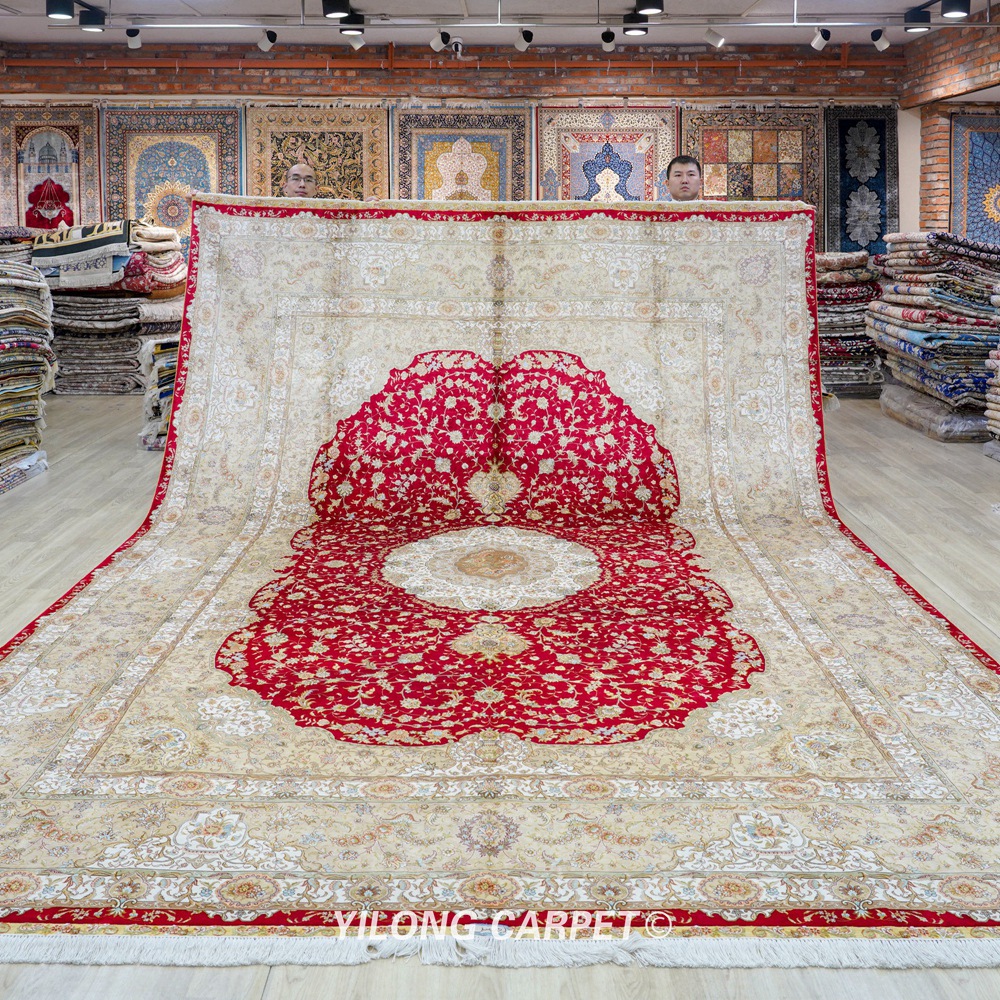
When people talk about handmade rugs, they often sigh and say:
“This is not just a carpet—it feels like a work of art waiting to be decoded. Mysterious, and deeply captivating.”
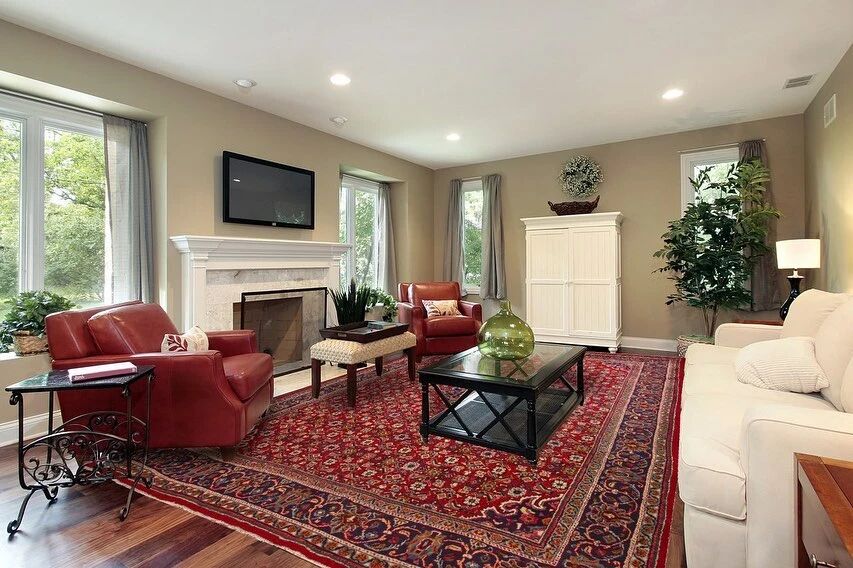
That sense of mystery lives in every knot of a Persian rug.
It lives in the repeating patterns, in the inherited symbols, in the language passed down through generations of master weavers.
Today, let’s step into this world of woven art—and learn how to read its hidden language.
I. Two Worlds of Style: Urban Elegance vs. Tribal Spirit
At first glance, Persian rugs seem full of intricate patterns. But in reality, they grow from two main design traditions—each with its own character, rhythm, and soul.
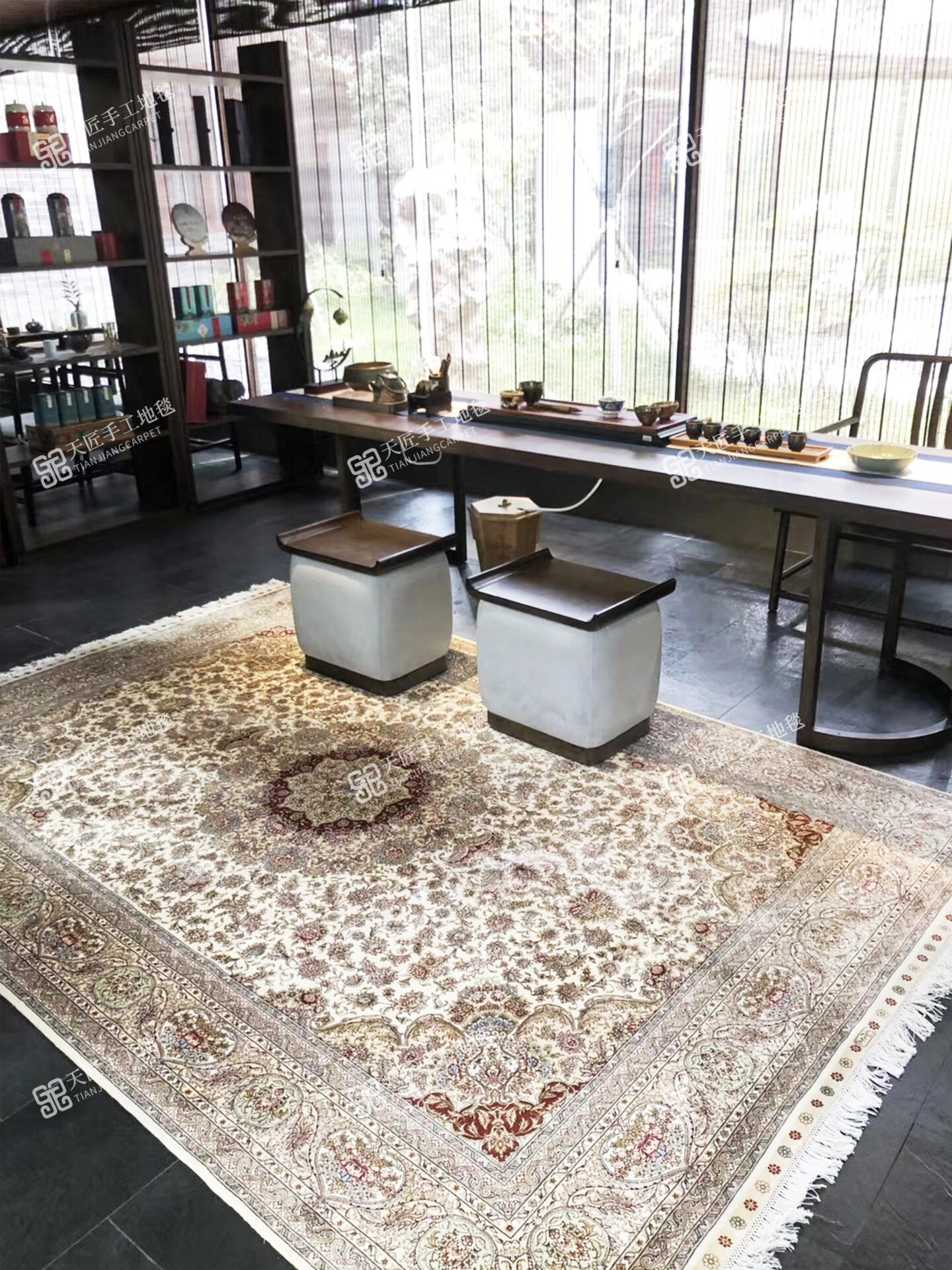
1. Urban Rugs — the “Silent Poetry” of Refined Cities
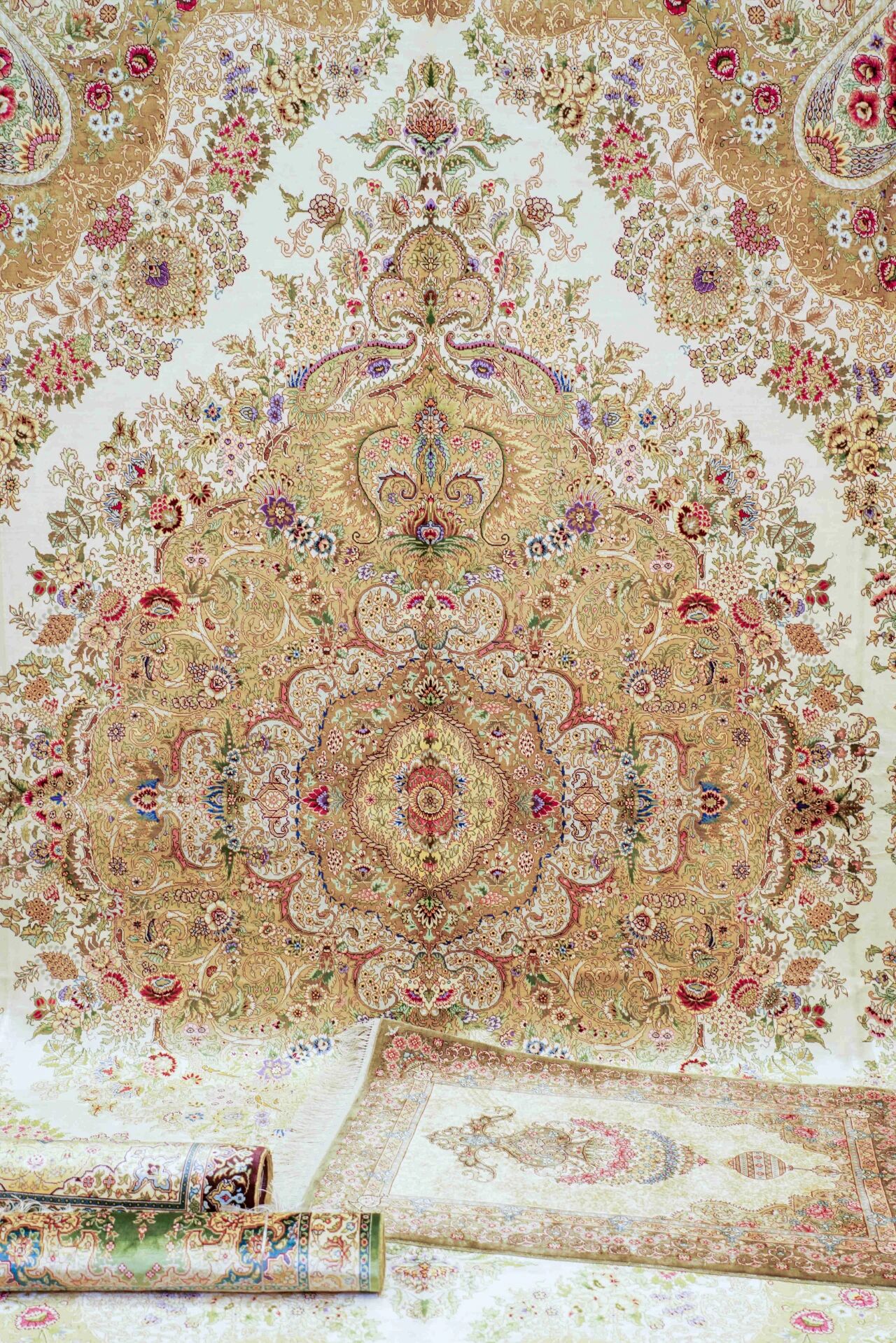
Urban Persian rugs come from historic weaving centers such as Isfahan and Kashan. They represent the peak of order and aesthetic refinement.
Their patterns are highly detailed, almost like miniature palace paintings. Flowing vines, floral motifs, and geometric compositions blend into a calm, balanced harmony of color and form.
Placed in a room, they don’t just decorate the space—they elevate it.
Like a quiet painting on the floor, they bring a timeless, classical elegance that invites you to pause and look closer.
2. Tribal Rugs — the “Living Imprint” of Free Spirits
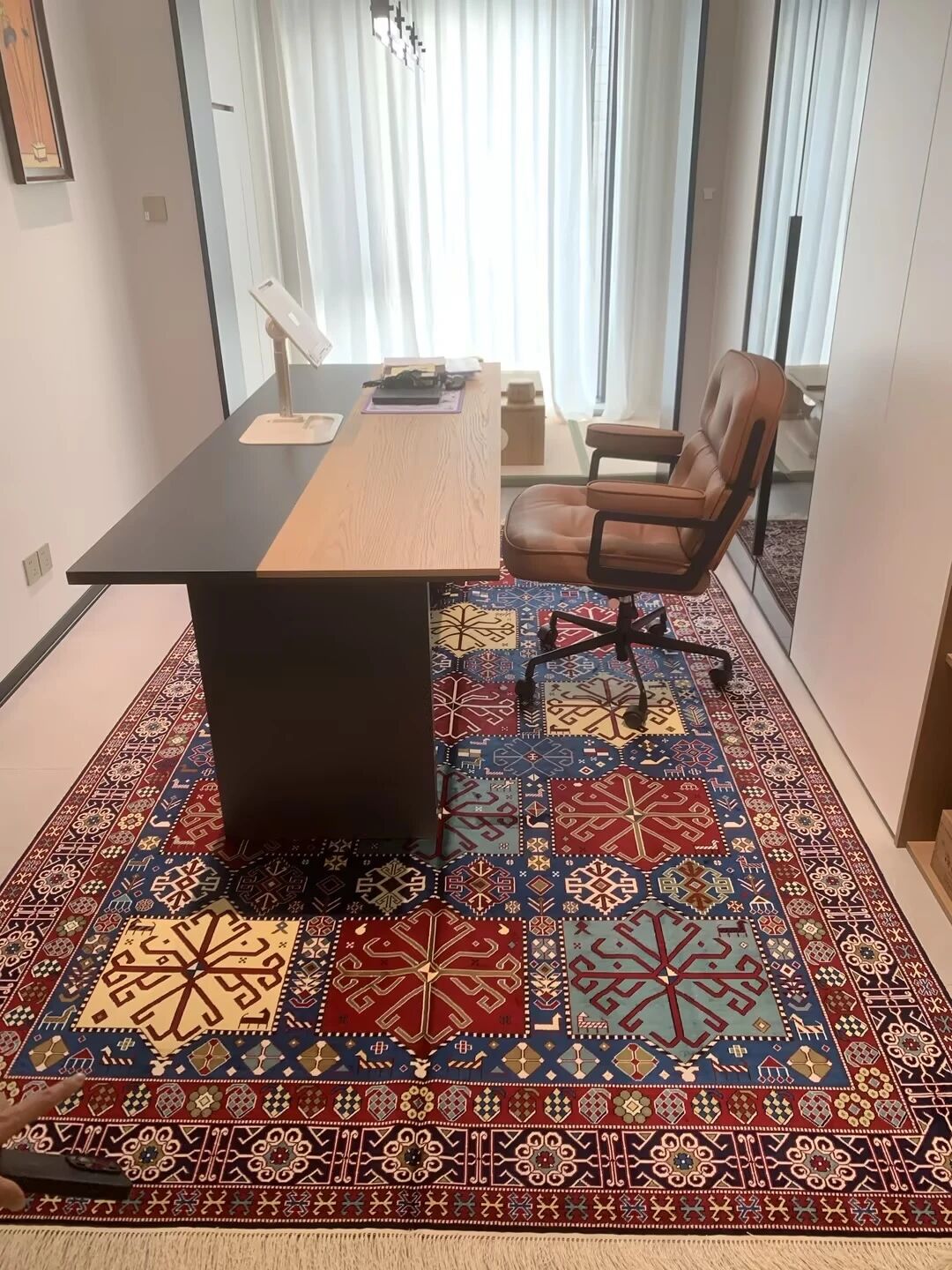
Tribal rugs are born in nomadic communities, where weaving is not planned perfection but instinctive creation.
Their patterns are bold, abstract, and emotionally expressive. Colors are intense—fiery reds, deep blues, vibrant greens—full of raw energy and movement.
Each piece is one of a kind. No copies. No repetition of intention.
Just the voice of the weaver, the land, and a life lived in freedom.
In modern interiors, these rugs bring something rare: warmth with personality, and a sense of untamed soul.
II. The Secret of Layout: A Philosophy Woven Into Space
The structure of a Persian rug is never random. It reflects a deeper worldview—how beauty, balance, and meaning are arranged within space.
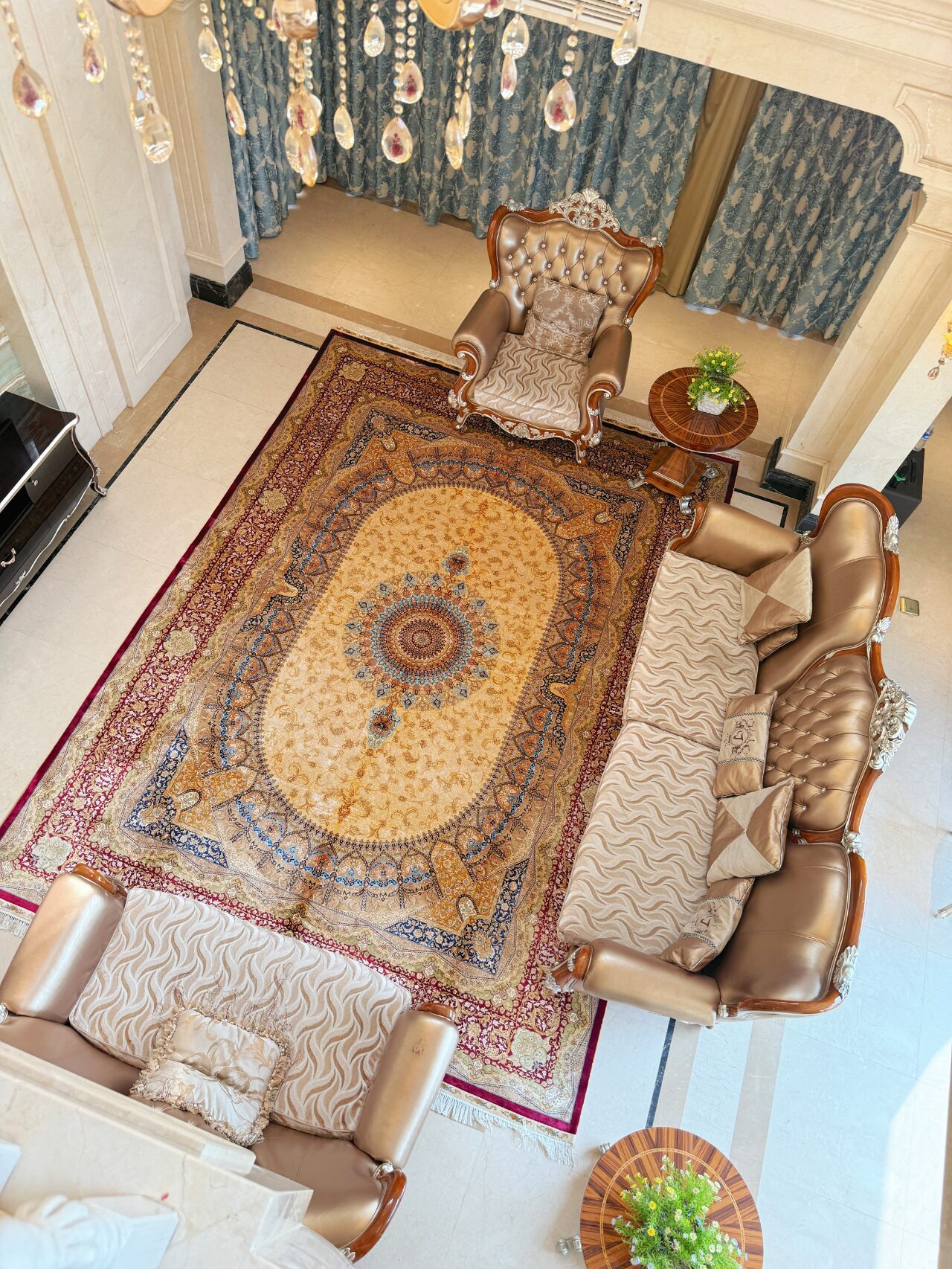
1. Central Medallion Layout — the “Heart of the Home”
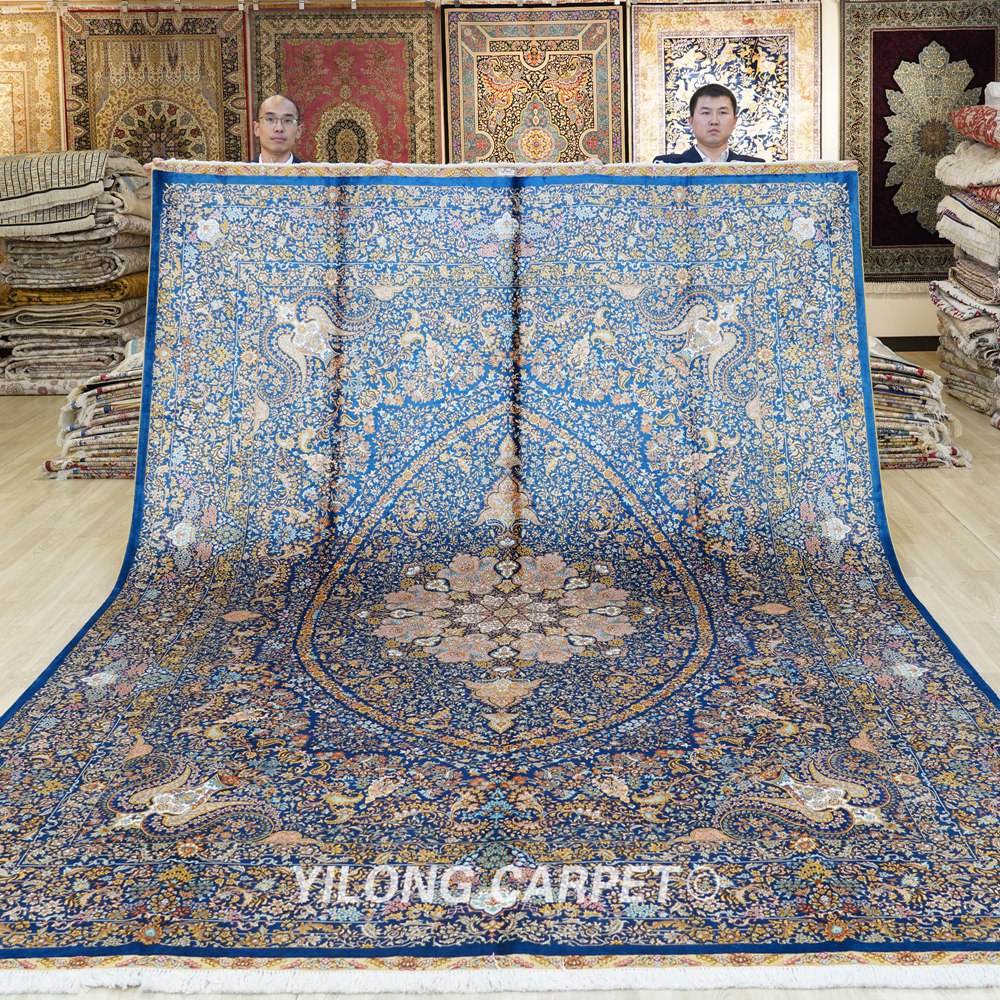
This is the most classic composition. A strong central motif anchors the entire design, like the emotional and visual core of the rug.
Everything flows outward from this center in perfect harmony, forming layers of symmetry.
It symbolizes unity, balance, and completeness—like a home where everything gathers around one shared center of life.
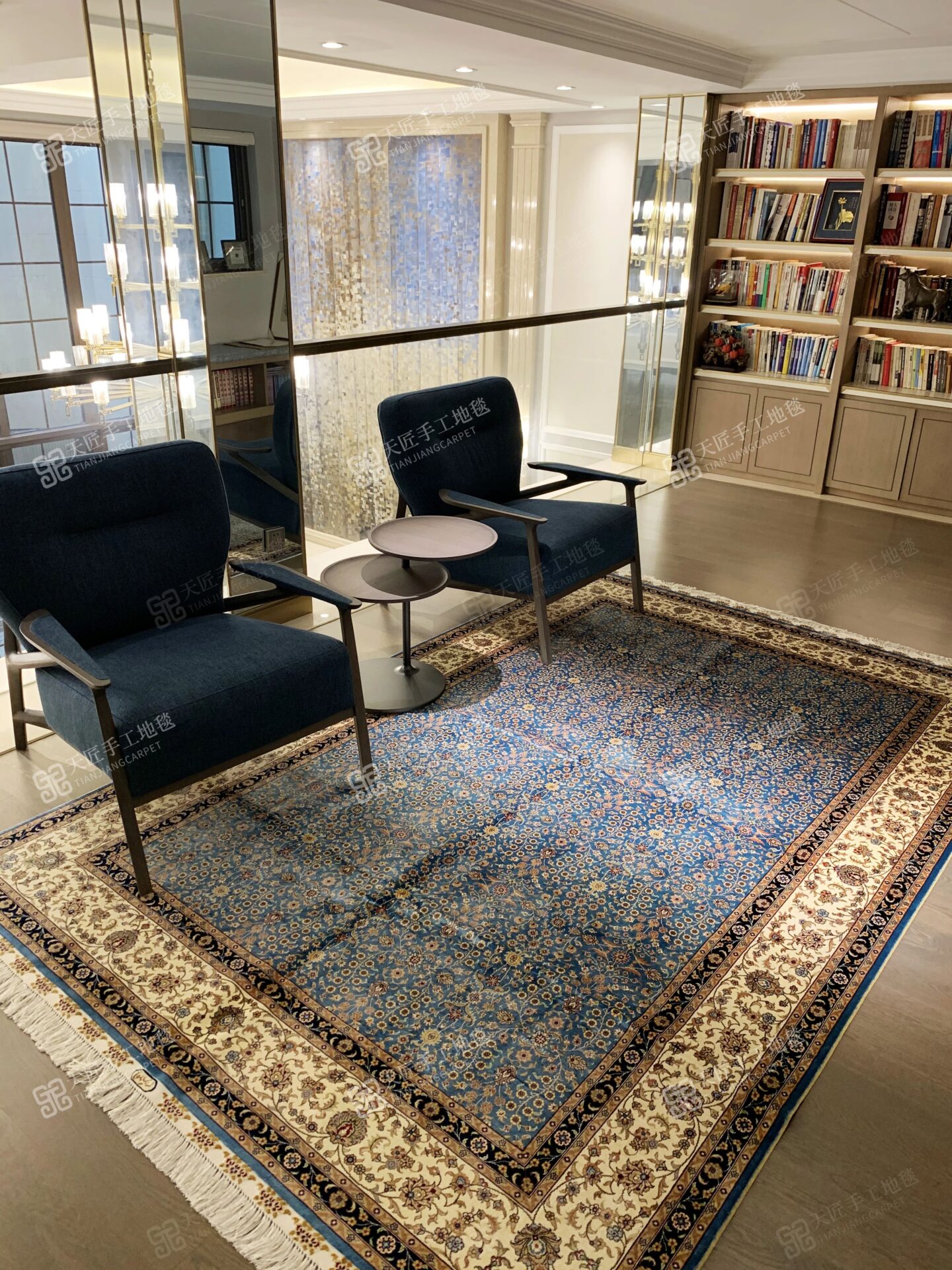
2. All-Over Pattern Layout — Infinite Continuity
Instead of a single focal point, one motif is repeated across the entire surface, expanding endlessly in rhythm and structure.
It creates a sense of order—but also quiet infinity.
This design reflects a simple truth:
what is small and humble, when repeated with devotion and patience, becomes something timeless and powerful.
3. Directional Layout — the Energy of Growth
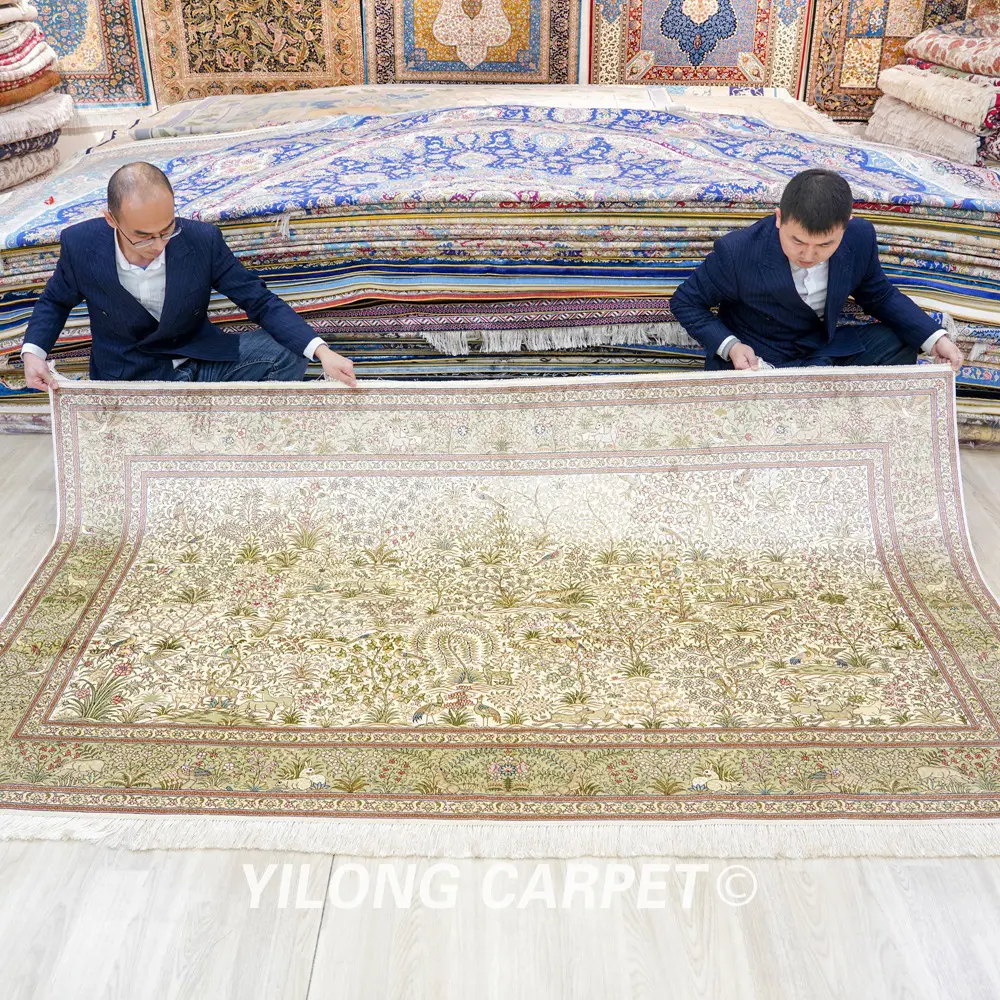
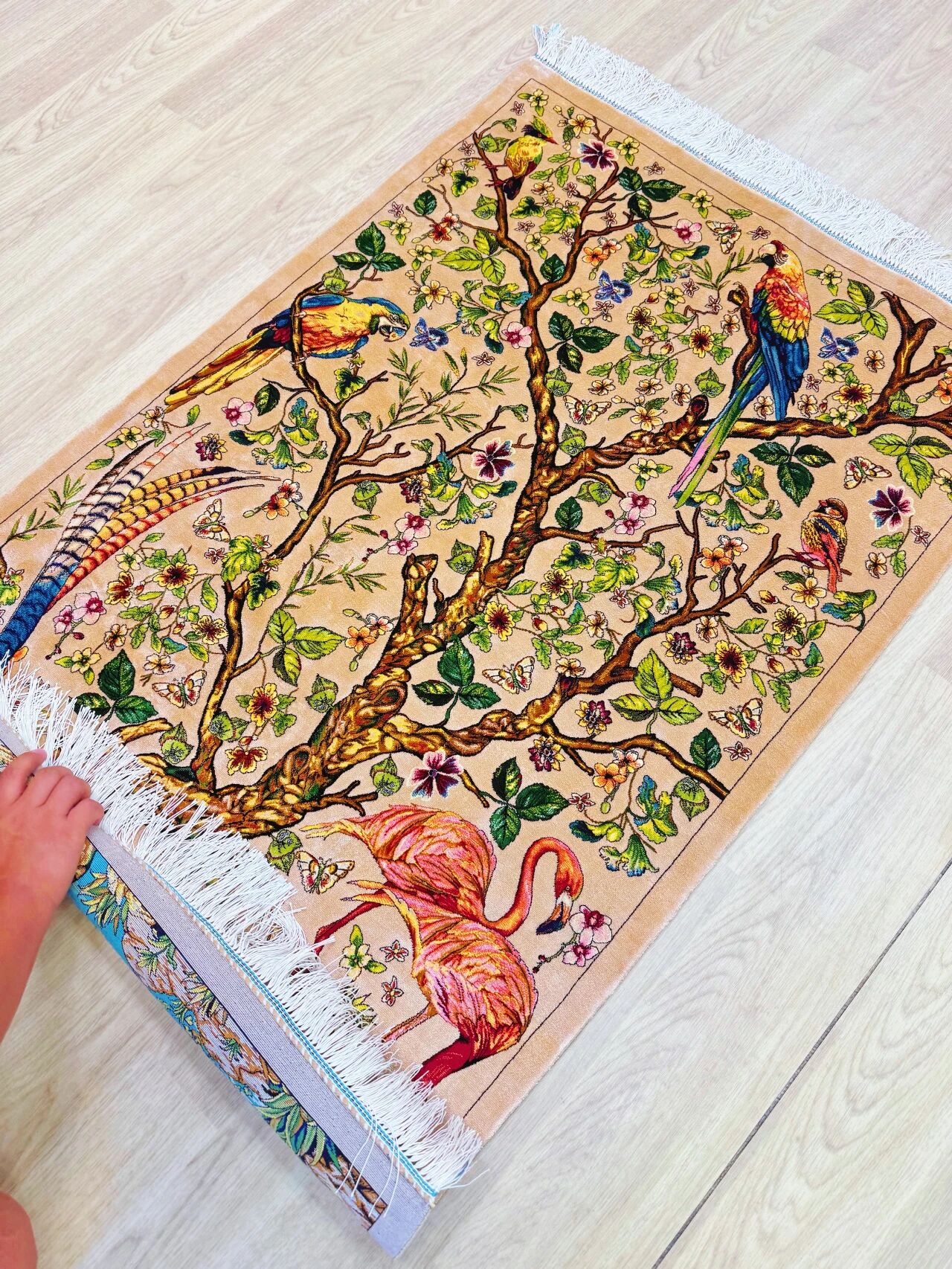
Some rugs are designed with a clear directional flow. Among them, the most iconic is the Tree of Life motif.
Roots are grounded. Branches rise upward with intention and strength.
It represents growth, vitality, hope, and the continuity of generations.
It is not just decoration—it is a wish for life to move upward, toward prosperity and light.
III. The Language of Symbols: Wishes Woven Into Every Thread
If layout is the structure of a rug, then motifs are its soul.
Nothing is placed by chance. Every flower, bird, and vine carries meaning—messages passed down through centuries of craftsmanship.
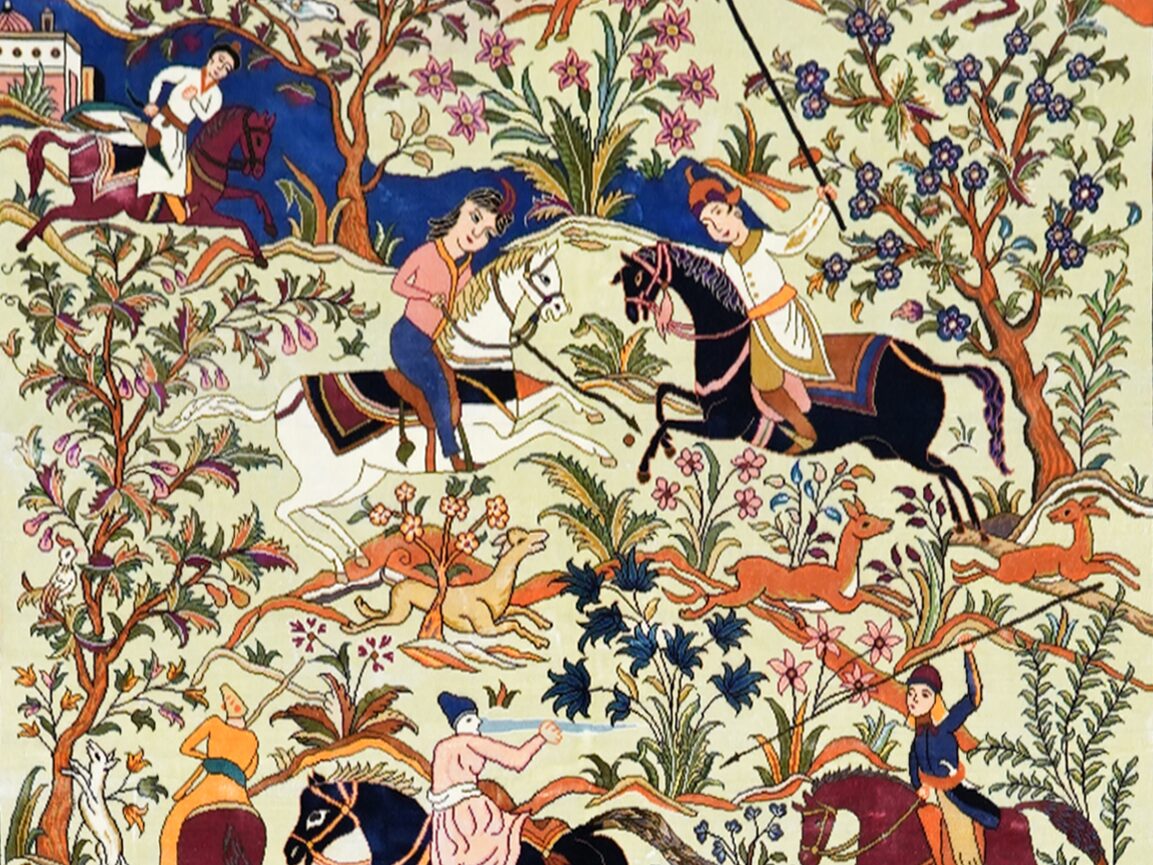
Vines often represent abundance and continuous blessing.
Birds symbolize freedom, joy, and good news arriving from afar.
Pomegranates and floral patterns stand for fertility, prosperity, and a life in full bloom.
Each symbol is a quiet prayer, woven into form rather than spoken aloud.
Final Thoughts: When Art Becomes Everyday Life
Once you understand the “code” of Persian rugs, you begin to see them differently.
They are not distant museum pieces. They are born from daily life, from patient hands, from time itself.
Their beauty is not only in what you see—but in what they carry: stories, wishes, and centuries of human memory, all tied into every single knot.
The highest form of art is never distant.
It lives beneath our feet, woven into our everyday spaces—quietly holding light, meaning, and warmth that never fades.