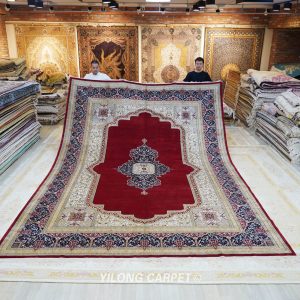
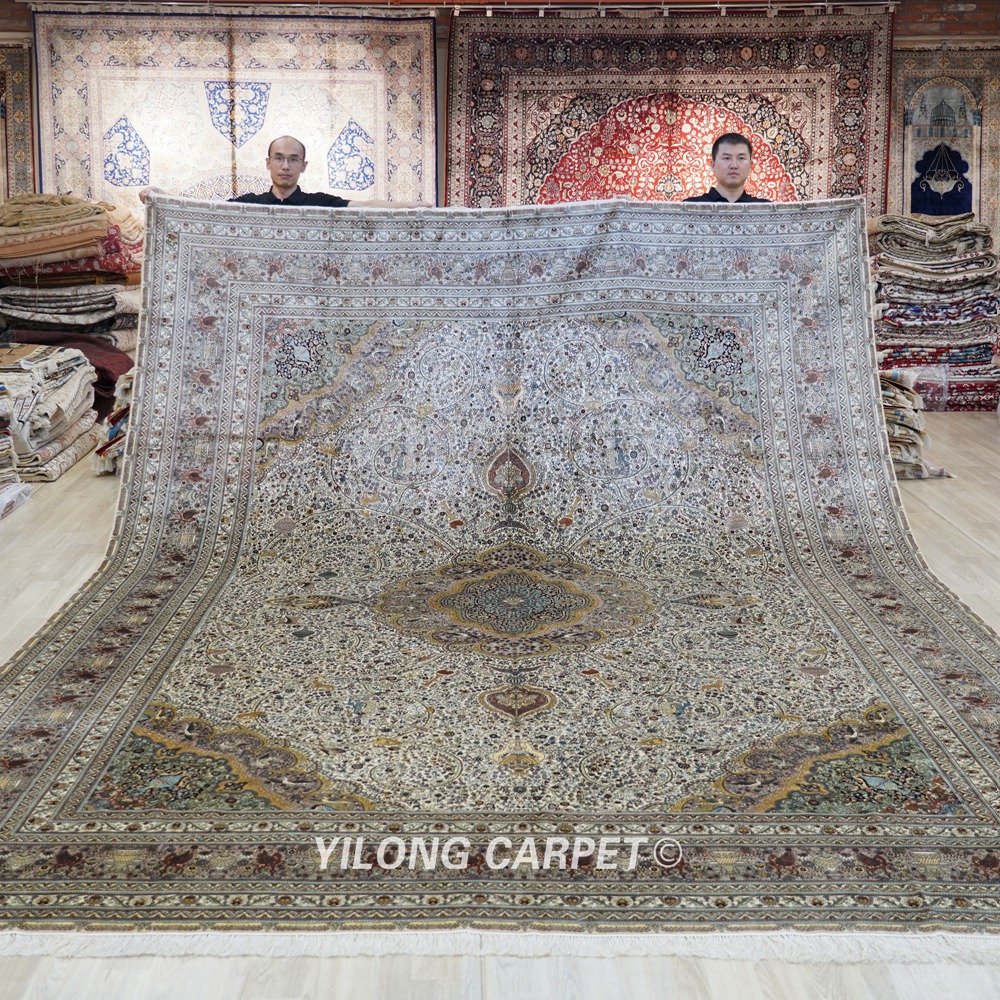
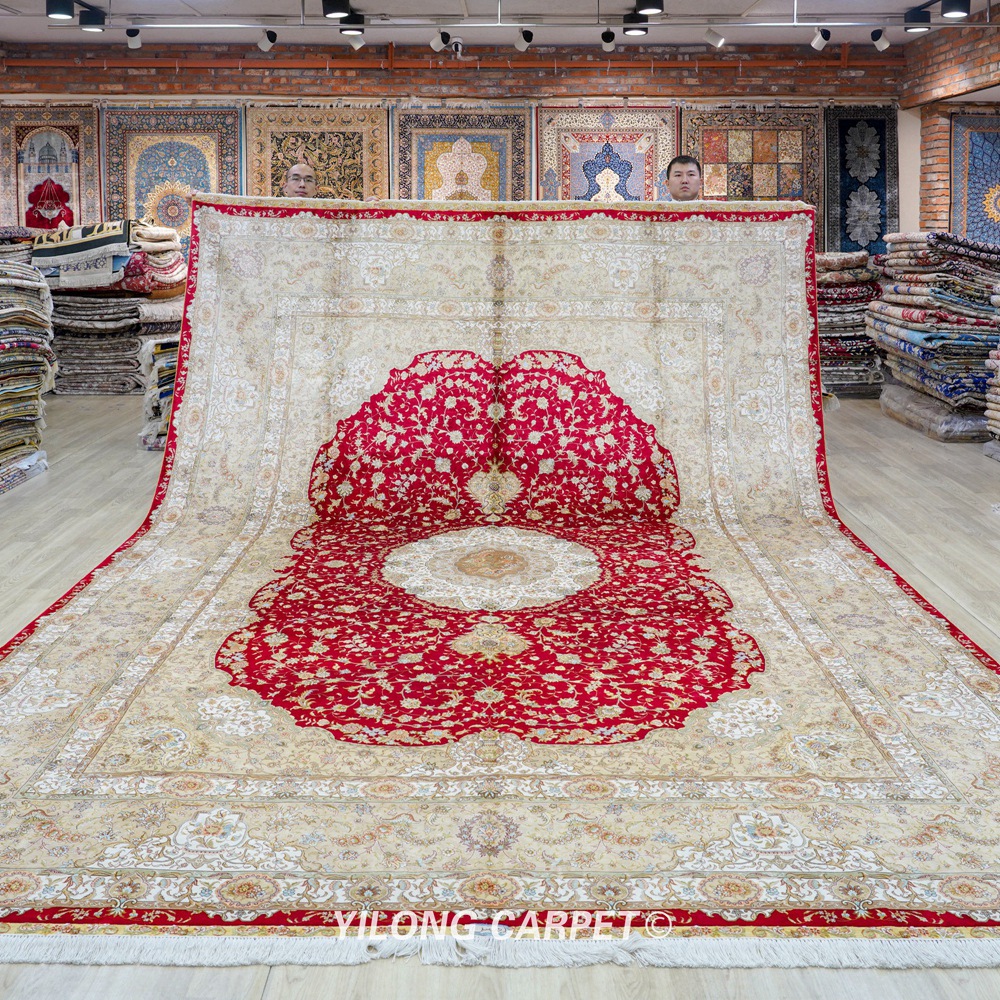
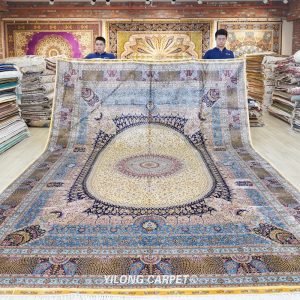
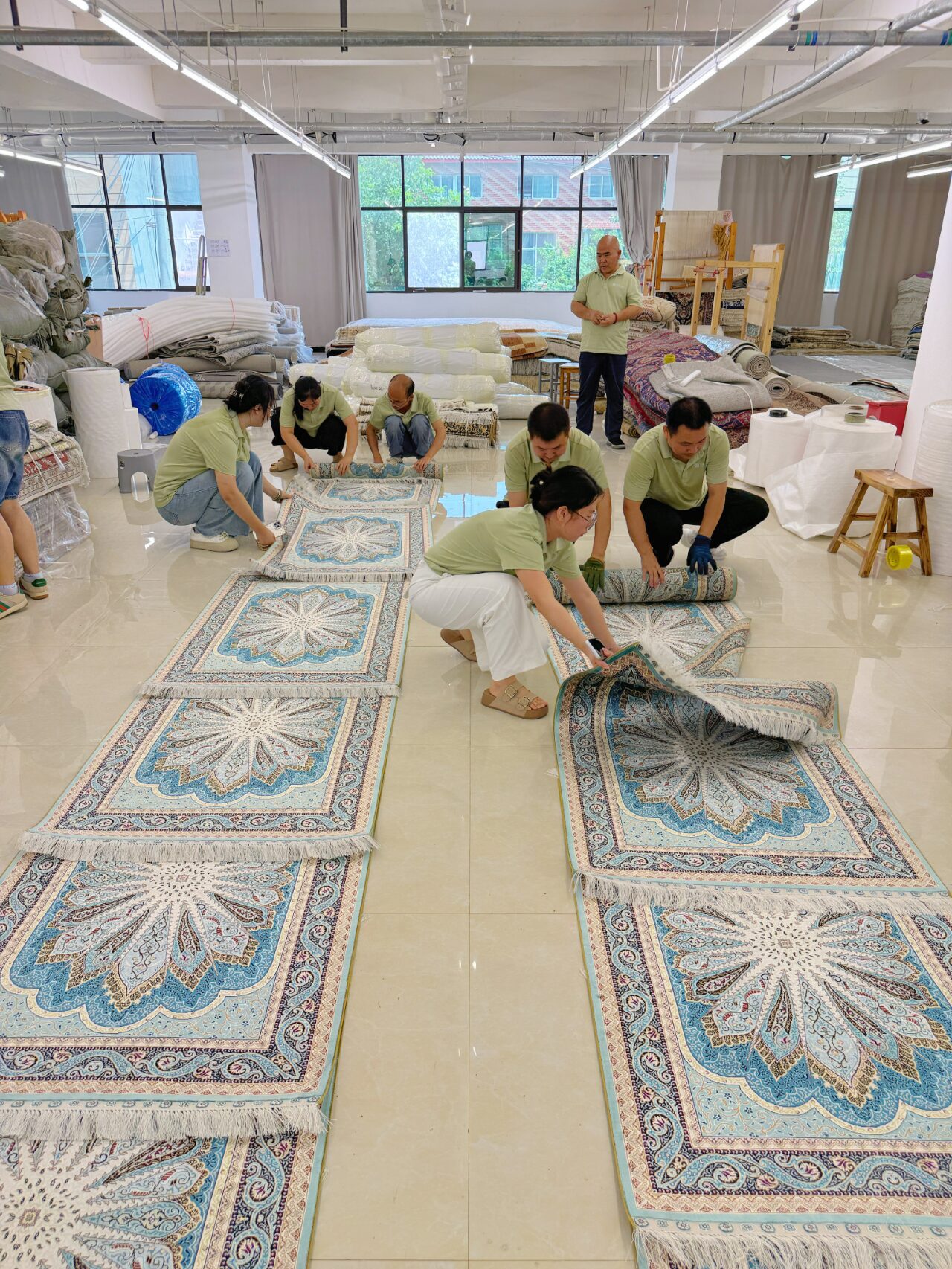
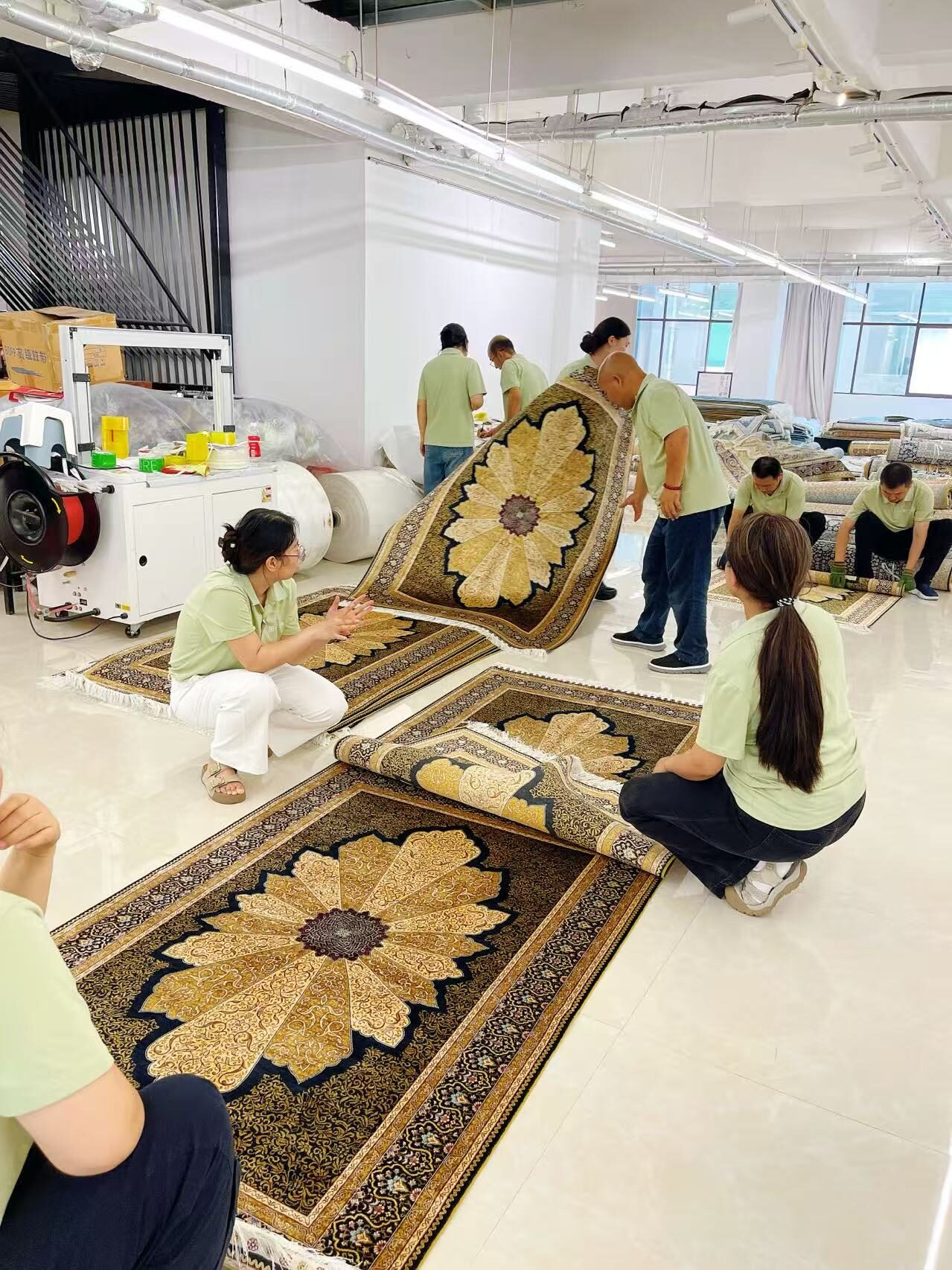
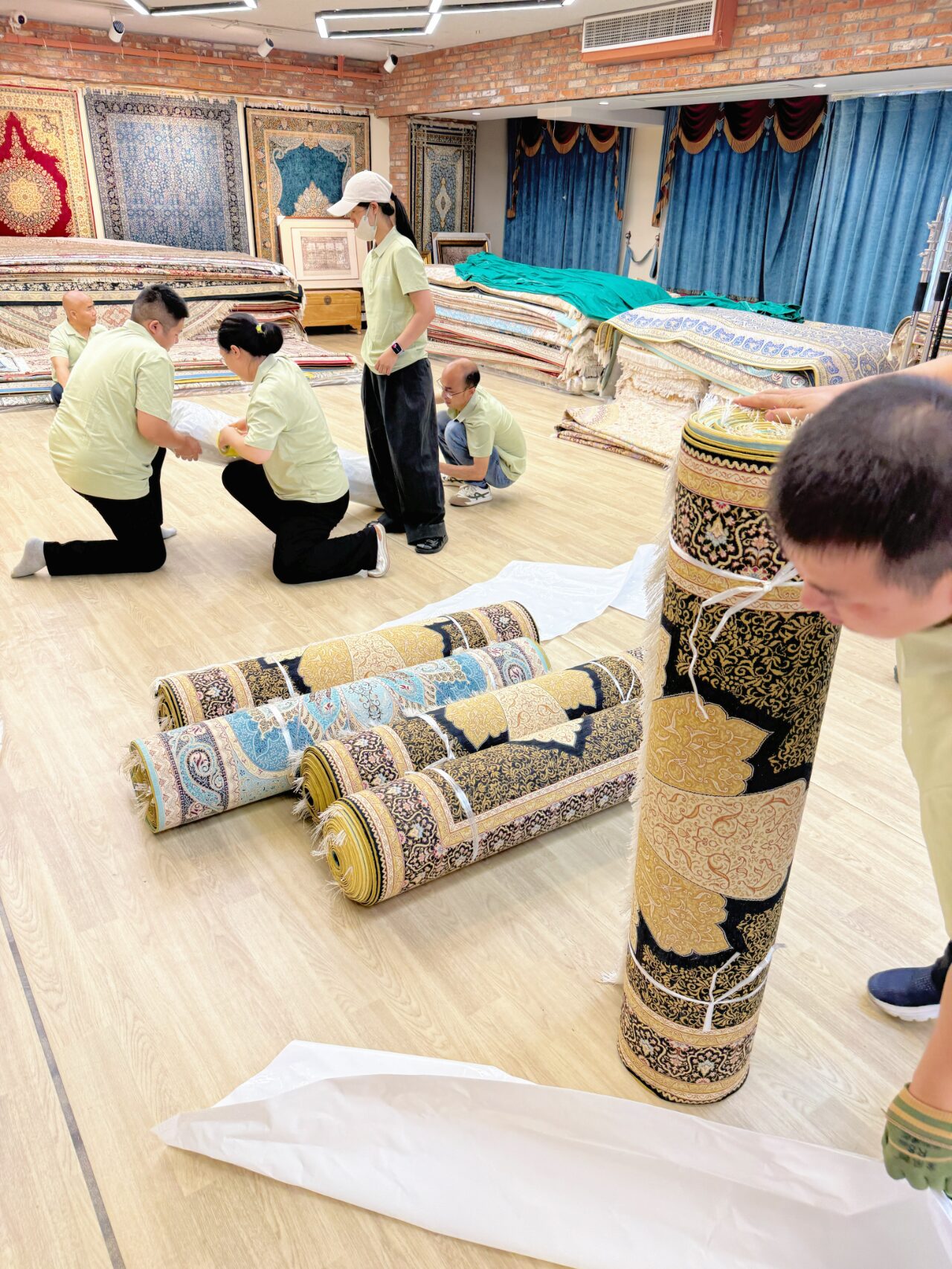
Yesterday, at Yilong Carpet’s No. 2 warehouse, around 9,000 sq ft of hand-knotted silk rugs were carefully sorted, packed, and shipped to Turkey.
When we think of Turkey, many of us picture a familiar scene in a carpet shop: a rug lifted high into the air, then opened with a smooth, beautiful sweep.
For a brief second, the carpet leaves the ground. Its patterns unfold in the air, almost as if it has truly flown.
Of course, it is not a flying carpet. But that moment easily reminds us of the flying carpets we often see in literature.
A carpet is one of the things closest to the ground. It lies under our feet. It belongs to rooms, homes, and everyday life.
But once it enters a story, it often leaves the floor. It flies over deserts, seas, cities, borders, and distances. It carries people to somewhere else.
So why do carpets so often fly in literature?
The answer may not only be about magic. It may also be hidden inside the nature of the carpet itself.
01 | A Flying Carpet Is Not Just About Magic. It Is About Arrival.
When people talk about flying carpets, many naturally think of One Thousand and One Nights. In many Eastern fantasy tales, the flying carpet appears as a magical treasure. Once someone sits on it, it can carry them across roads, cities, deserts, and oceans, taking them to places that are otherwise hard to reach.
On the surface, this is magic.
But the most moving part of a flying carpet is not that it can fly. It is that it cancels distance.
Human beings have always been limited by distance. To go somewhere far away, we need roads, horses, ships, time, money, status, and sometimes luck.
Many places are not impossible because they are unattractive. They are impossible because they are too far away.
Many wishes are not absent. They are simply out of reach.
The flying carpet gives literature a small opening in the wall of reality.
It does not ask about roads. It does not care about borders. It does not wait for permission. Once someone sits on it, the faraway begins to come closer.
That is why the flying carpet is not just a fantasy object. It is not really about flying as a skill. It is about the human desire for distance, freedom, and another kind of life.
Before people could easily cross the limits of the world, literature had already allowed a carpet to fly.
02 | Why Is It a Carpet That Flies?
But the question remains: in stories, so many things could fly. Why is it often a carpet?
Because a carpet is already a very special object.
Tables, chairs, and cabinets usually belong to fixed spaces. They stay in one room and rarely move. They represent stability, order, and a settled way of living.
A carpet is different.
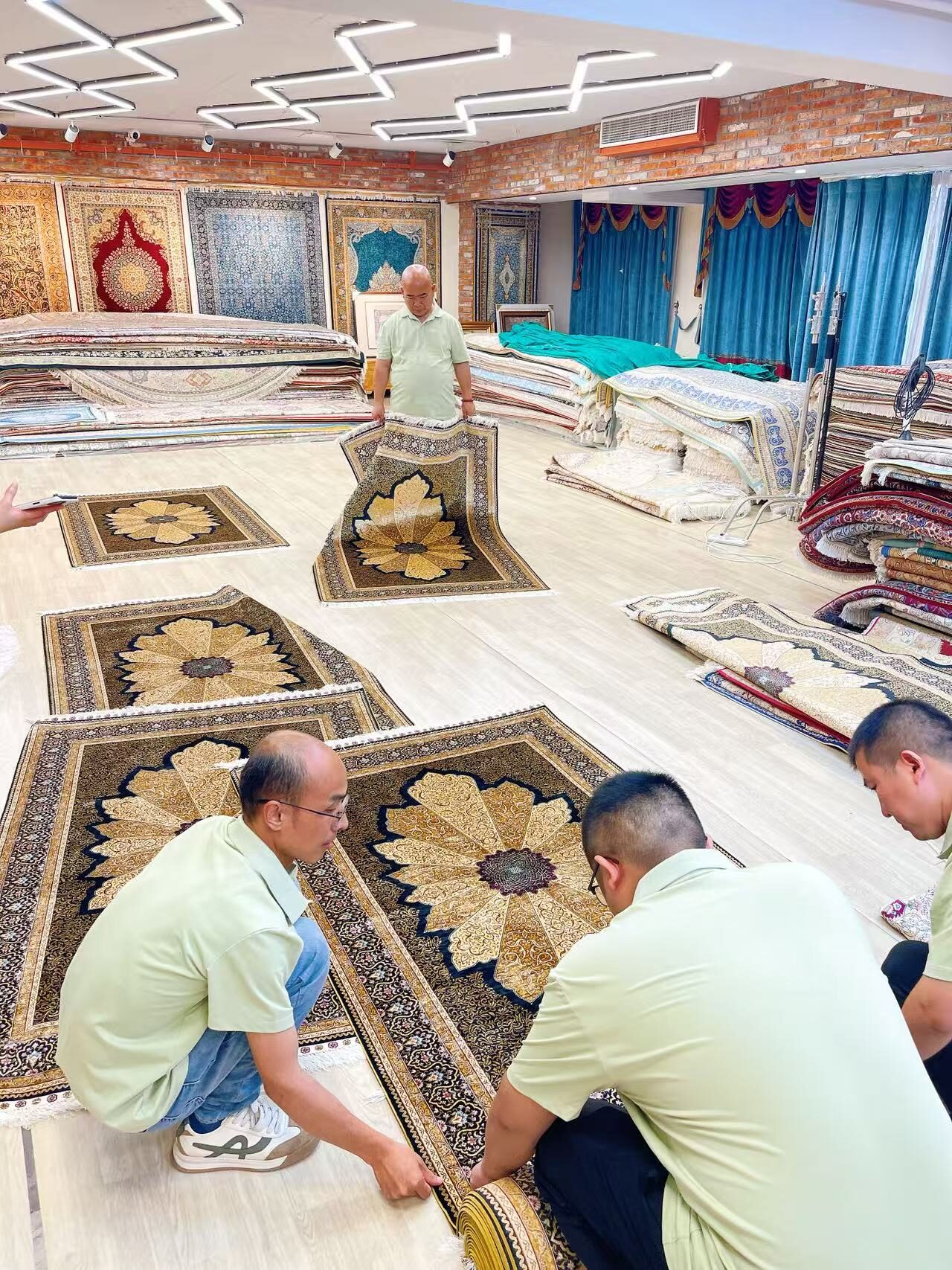
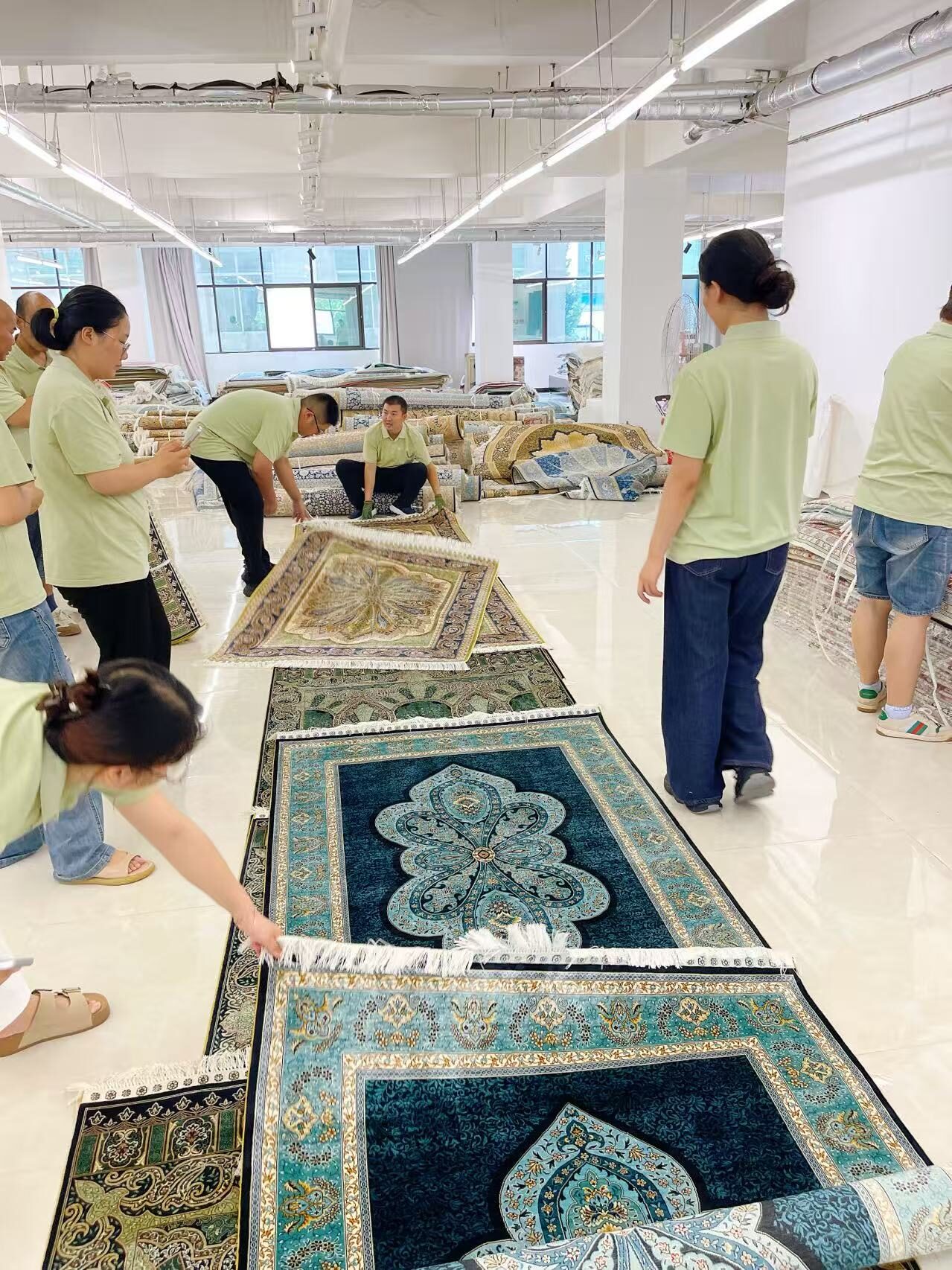
When it is spread out, it becomes part of the room. When it is rolled up, it can leave the room.
It can be carried, shipped, stored, collected, and unfolded again in another place.
Spread out, it becomes a piece of ground.
Rolled up, it feels almost like luggage.
It can settle a space, but it can also leave one.
It belongs to home, yet it always carries a trace of travel.
So the flying carpet is not a strange invention created from nothing. Long before it flew in literature, carpets had already been moving in real life.
From weaving centers to homes, from trade routes to palaces, from markets to private rooms, handmade rugs have always been objects that travel across regions and cultures.
In real life, a carpet has to be checked, rolled, packed, shipped, and waited for.
In literature, a carpet only needs a thought.
That is why the carpet is such a perfect object for storytelling. It can hold a room in place, but it can also carry someone away.
03 | It Does Not Only Lead to a Faraway Place
The flying carpet does not only take people to another country or another city.
In literature, “somewhere else” often means something deeper.
It may mean freedom.
It may mean desire.
It may mean love.
It may mean another possible version of life.
When someone sits on a flying carpet, they are not simply going from one place to another. They are stepping, even for a short time, out of the limits of ordinary life.
A ship belongs to the sea.
A horse belongs to the road.
A door suggests entry.
But a carpet belongs to the home. It belongs to the room. It belongs to the everyday world beneath our feet.
That is exactly why it becomes so powerful when it suddenly leads elsewhere.
The fantasy does not arrive from some distant kingdom. It begins on the familiar carpet at home.
In The Phoenix and the Carpet by British writer E. Nesbit, the magic carpet takes on a different kind of charm. It is no longer only a treasure from an exotic tale. It enters the everyday world of children and family life.
And because it is so close to daily life, the adventure becomes even more wonderful.
The most interesting part of fantasy is not always how far it takes us. Sometimes, it is the moment when an ordinary room suddenly grows a secret route.
A carpet may lie quietly on the floor. But once the story begins, it can turn the ground beneath our feet into a route, the room into a starting point, and daily life into a doorway to somewhere else.
04 | Even Without Flying, a Carpet Already Holds a World
There is another reason carpets are so easy to write into literature: a carpet is never truly blank.
When a hand-knotted rug is opened, it often contains borders, centers, flowers, vines, stars, gardens, and layers of patterns.
It is not random decoration. It is an ordered world made of design.
The border feels like a boundary.
The center feels like structure.
The vines feel like paths.
The garden patterns feel like an ideal place.
When we look at a carpet, we are not only looking at color and pattern. Sometimes it feels like a silent map. Sometimes it feels like a book without words.
Standing beside it, we can already sense the breath of somewhere far away.
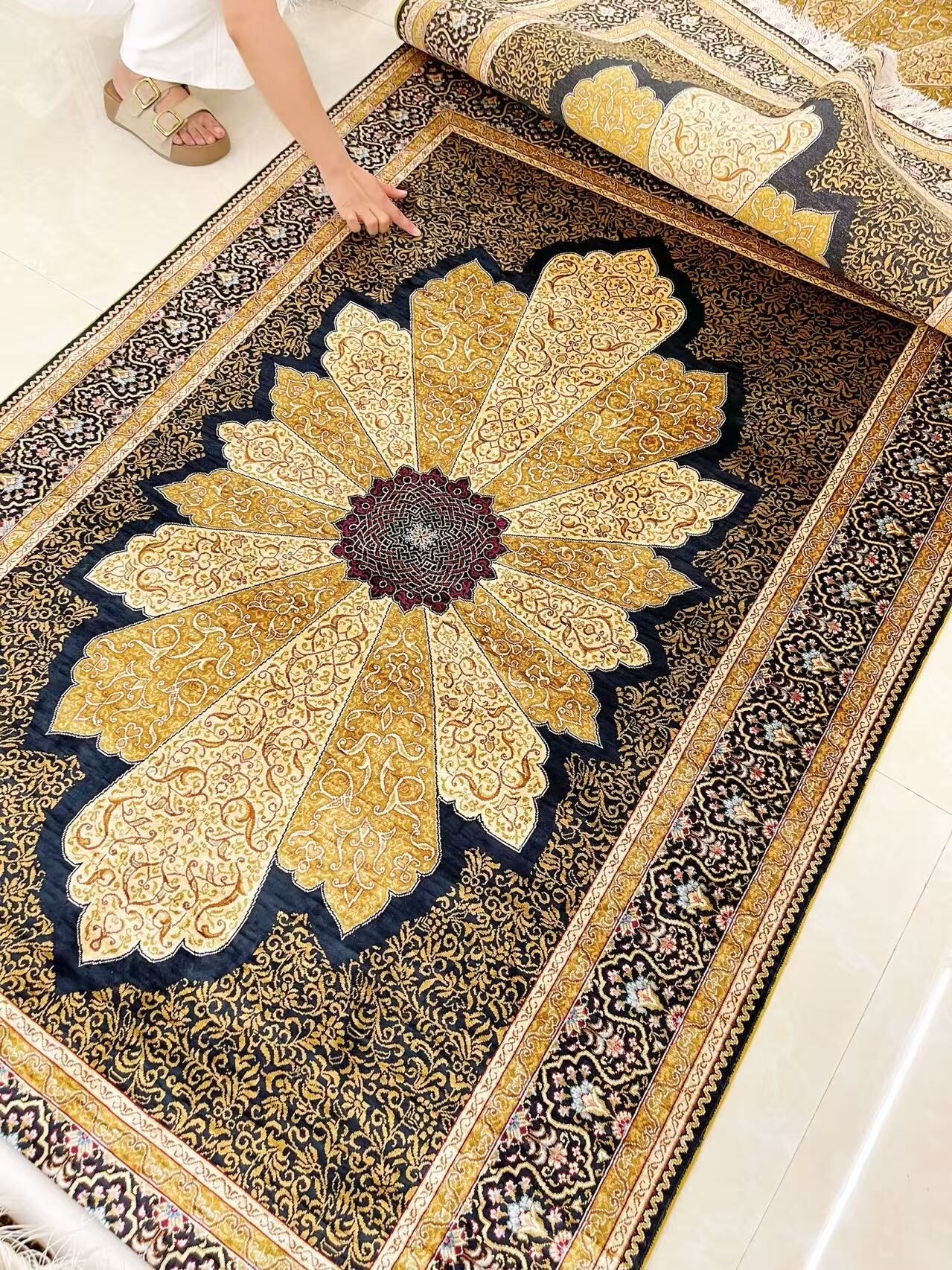
So a carpet does not have to literally fly in order to lead us elsewhere.
Once it is unfolded, the room already gains another layer of world.
It may be the order of a Persian garden.
It may be the rhythm of Turkish rug patterns.
It may be the soft glow and delicacy of a handmade silk carpet.
In literature, the flying carpet carries people toward the faraway.
In real life, a beautiful handmade carpet often brings the faraway into the room.
05 | This Shipment Is Also a Real Journey of Arrival
Now let us return to the 9,000 sq ft of hand-knotted silk rugs shipped to Turkey yesterday.
There is no magic plot in real shipping. There is only sorting, checking, rolling, packing, transportation, and waiting.
But what moves is not only a number on a shipping list.
Moving with these handmade silk rugs are the sheen of silk, the density of hand-knotting, the sources of the patterns, and the long experience behind fine carpet weaving.
Turkey has a deep and rich carpet tradition. When hand-knotted silk rugs are shipped there, it is not simply a product entering another market.
It feels more like an aesthetic meeting again.
On one side, there is the mature classical language of Turkish and Persian rug patterns.
On the other side, there is the fine weaving, soft silk glow, and complete visual expression of handmade silk carpets.
This is not about one side replacing the other. It is not a one-way export.
It is a new connection between pattern, craft, and taste across cultures.
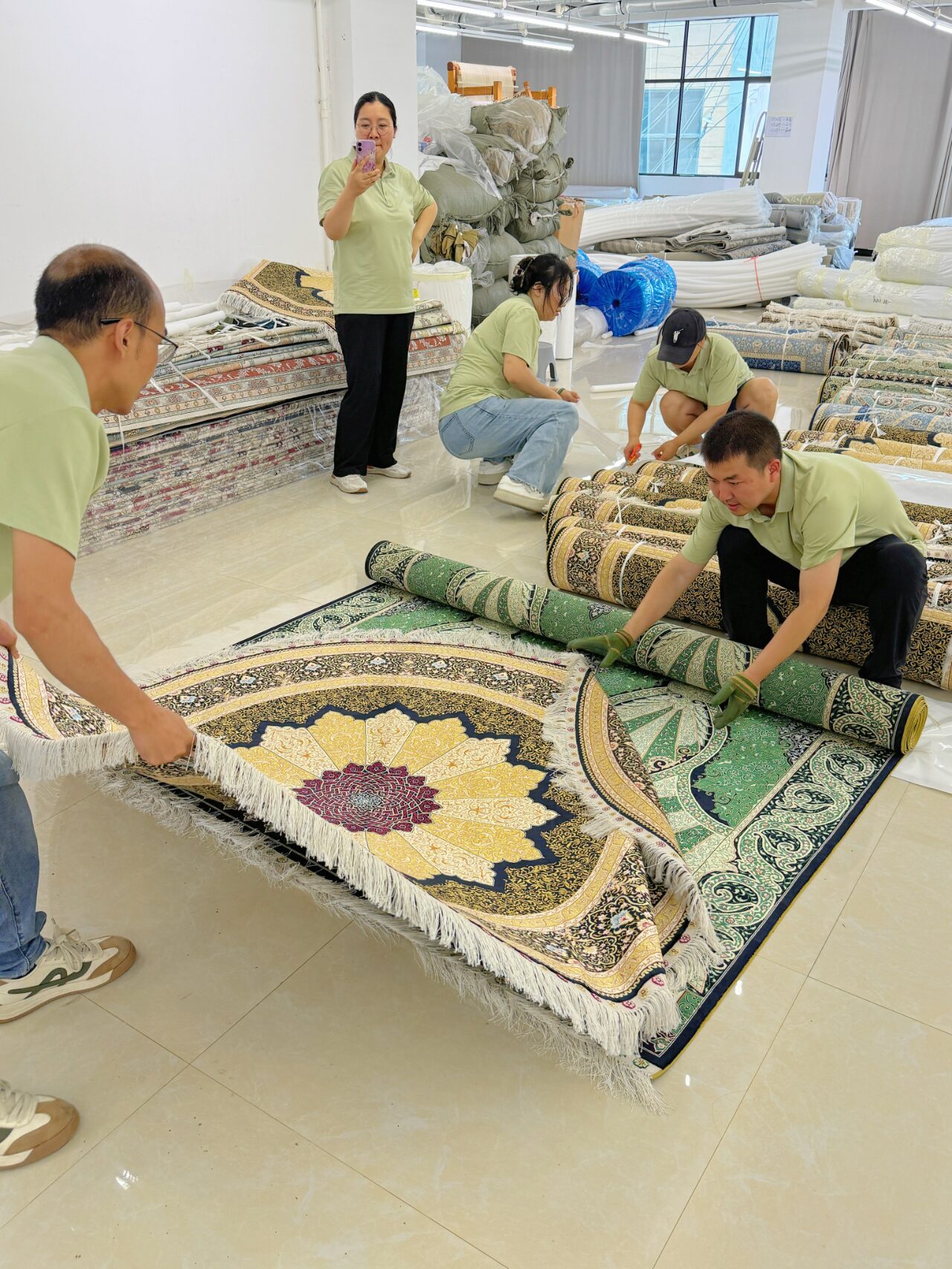
When these rugs arrive in Turkey, they will no longer be just a number on a shipment record.
They will be opened in real rooms.
They will meet local light, furniture, footsteps, and daily life.
The true completion of a carpet does not happen only when it is woven. It does not happen only when it is shipped.
It happens when the carpet is finally spread out in another space, seen, used, understood, and lived with.
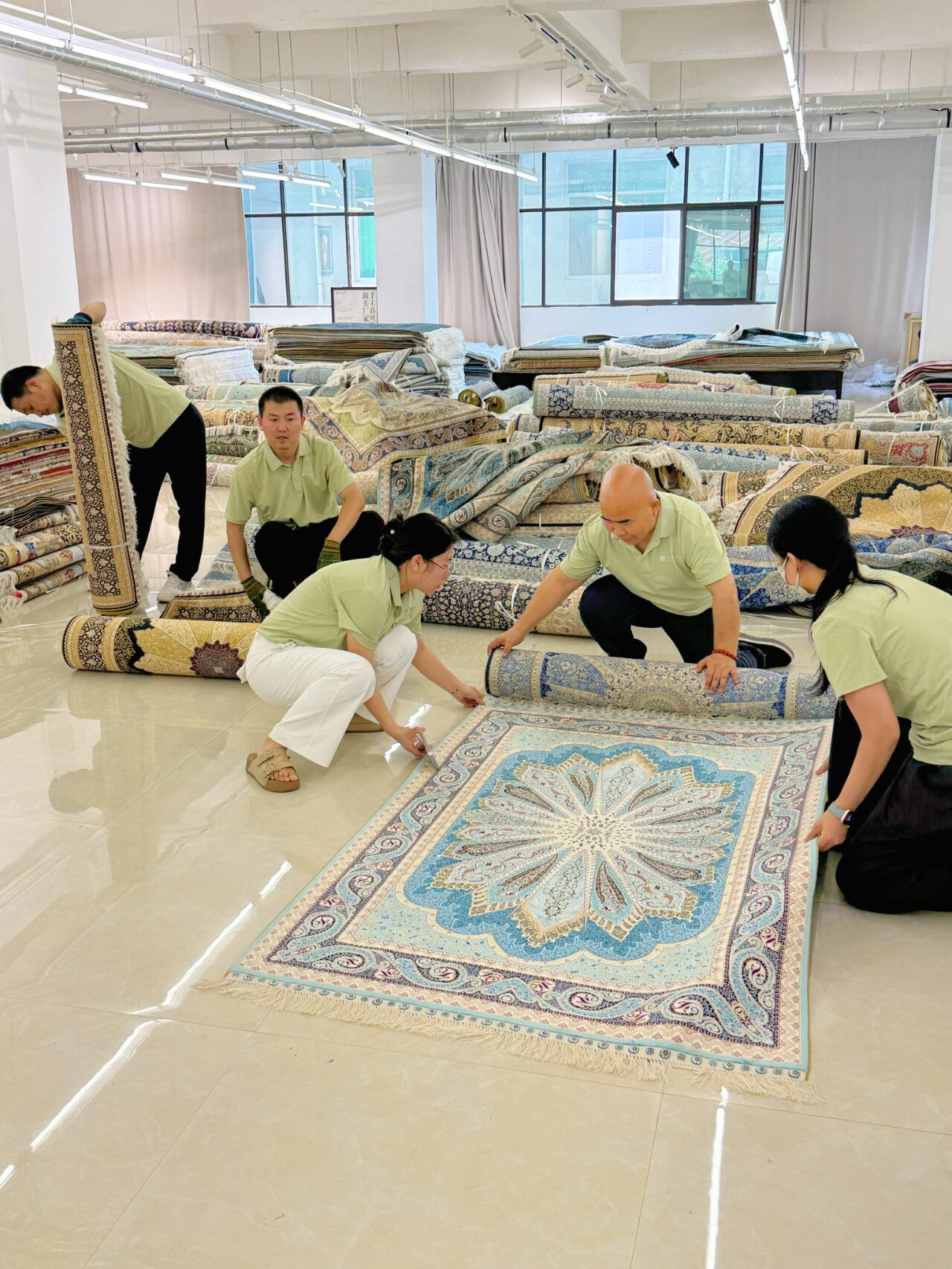
So why does literature often let carpets fly, even though carpets belong on the ground?
Perhaps because a carpet has never been just a floor covering.
It is a piece of land that can be rolled up.
It is a pattern that can be carried away.
It is a handmade object that can enter another life far from where it began.
It lies beneath our feet, yet it always makes us think of elsewhere.
It stays quietly in a room, yet it connects places, memories, aesthetics, and imagination.
From the flying carpets in Eastern fantasy tales such as One Thousand and One Nights, to the handmade silk rugs shipped to Turkey yesterday, carpets have always been doing something similar.
They create a visible, touchable, spreadable path between here and somewhere else.