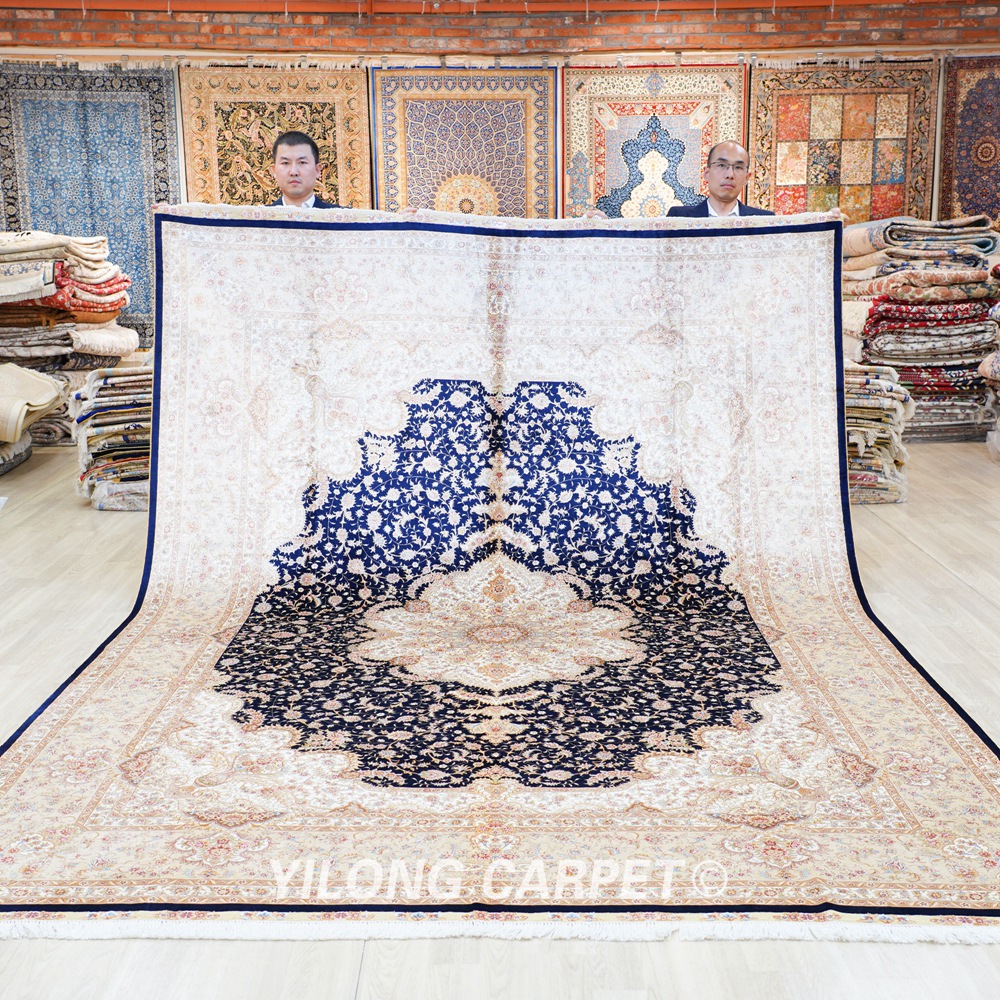
There is something unmistakable about a silk rug. The surface catches the light, the colors seem to shift as you move through the room, and even a detailed pattern can feel surprisingly subtle. In a well-designed home, that quiet depth is often what makes the rug stand out.
For owners of luxury homes, however, appearance is only part of the appeal. A genuine handmade silk rug represents skilled work, regional weaving traditions, and months—or sometimes years—of patient production. Choose the right piece and it can give a room character for decades.
That does not mean silk is right for every space. It is more delicate than wool, requires thoughtful placement, and varies widely in quality. Understanding what you are buying is the key to finding a rug that looks beautiful and suits the way you live.


The Beauty Is in the Light
Natural silk has a soft luster rather than a flat, uniform shine. Because the fibers reflect light differently depending on the direction of the pile, a rug may look deeper, lighter, or more vibrant from different sides of the room. Morning sun can bring out one group of colors; softer evening light may reveal another.
This changing appearance is one reason Persian silk rugs work so well in sophisticated interiors. They add movement and detail without needing loud colors or an oversized pattern. In a modern room, a traditional design can introduce warmth and history. In a classic interior, it can reinforce the sense of craftsmanship already present in the furniture and architecture.
A fine rug also helps anchor a room. It can connect the colors of the walls, upholstery, and artwork while giving the eye a natural place to rest. That is a more useful role than simply filling an empty section of floor.

Handmade Means More Than a Label
The finest silk rugs are hand-knotted rather than printed or produced by machine. An artisan builds the design one knot at a time, often following a complex pattern that demands exceptional control. Depending on the rug's size, knot density, and design, a single piece may contain hundreds of thousands—or even millions—of knots.
That work cannot be rushed. Detailed rugs may take many months to complete, while especially large or intricate pieces can take considerably longer. Weaving knowledge is often passed from one generation to the next, along with regional patterns, color choices, and finishing techniques.
Small variations are not necessarily flaws. In an authentic handmade rug, they can be evidence of the person behind the work. They are part of what separates an individual woven piece from a perfectly uniform factory product.
Of course, the word “handmade” does not guarantee quality on its own. Fiber content, knotting technique, dyes, finishing, and overall condition still matter. A trustworthy rug specialist should be willing to explain all of them.

Pure Silk or a Silk-and-Wool Blend?
Pure silk offers exceptional detail and a smooth, refined surface. Because the fibers are so fine, weavers can create tight curves, delicate floral elements, and highly intricate borders. This makes pure silk especially attractive in formal living rooms, private studies, bedrooms, and other lower-traffic areas.
Silk-and-wool rugs offer a different balance. Wool gives the pile more body and resilience, while silk is often used to highlight selected parts of the design. The contrast can make details shimmer without giving up the warmth and practicality of wool.
For a household that wants a luxurious look but expects more regular foot traffic, a high-quality wool-and-silk blend may be the more sensible choice. Pure silk is usually better treated as a functional work of art: it can be walked on, but it should not be placed where wet shoes, pets, spills, or constant traffic are part of daily life.
Is “Bamboo Silk” Real Silk?
No. Despite the name, bamboo silk is generally rayon or viscose made from processed bamboo cellulose. It can have a smooth feel and attractive sheen, but it is not natural silkworm silk.
This distinction matters because the materials behave differently. Viscose may be more sensitive to moisture, crushing, staining, and aggressive cleaning. It also belongs in a different price category from genuine silk. Terms such as “art silk,” “banana silk,” and “bamboo silk” should never be treated as proof that a rug contains natural silk.
There is nothing wrong with choosing viscose when its look, price, and care requirements suit the project. The important thing is accurate labeling. Before buying, ask for the exact fiber composition in writing rather than relying on a product name.
A Rug with a Sense of History
Traditional hand-knotted rugs carry more than a decorative pattern. Their motifs, proportions, and weaving methods are often connected to particular regions and long-established design traditions. That history gives the finished piece a depth that trend-based décor rarely has.
A well-made rug can remain part of a home for many years and, with appropriate care, may eventually be passed down within a family. Some rare antique or collectible rugs retain substantial value, but no seller should suggest that every silk rug is guaranteed to appreciate. Age alone does not make a rug valuable.
Collectors consider origin, materials, knotting, rarity, condition, restoration, and documented provenance. For most homeowners, the best approach is simpler: buy a piece because its design and workmanship genuinely appeal to you. Any future financial value should be treated as a possibility, not a promise.
What About Sustainability?
Silk is a natural, renewable fiber, but that description does not tell the whole environmental story. The way silkworms are raised, the energy and water used in processing, the dyes applied to the yarn, transportation, and working conditions all affect the final product's footprint.
Hand production can reduce reliance on heavy industrial machinery, and a rug that stays in use for decades may be preferable to frequently replacing lower-quality floor coverings. Still, “handmade” and “natural” should not automatically be read as “sustainable.”
Buyers who care about environmental and social practices should ask practical questions: Where was the rug woven? How was the silk sourced? What type of dyes were used? Can the seller identify the workshop or weaving region? Clear, specific answers are more meaningful than a vague eco-friendly label.
Are Silk Rugs Worth the Investment?
They can be—if the material, workmanship, room, and price all make sense.
A genuine hand-knotted silk rug offers visual depth and fine detail that synthetic rugs struggle to reproduce. It also requires more care. Direct, intense sunlight may fade dyes over time, heavy furniture can compress the pile, and improper cleaning can permanently damage the fibers.
Before making a purchase, check the following:
- Fiber content: Is it natural silk, a wool-and-silk blend, or viscose?
- Construction: Is it hand-knotted, hand-tufted, or machine-made?
- Origin: Where was it woven, and can the seller document that information?
- Condition: Are there stains, repairs, worn areas, or color changes?
- Placement: Will the rug be protected from moisture and heavy traffic?
- Care: Does it require a cleaner experienced with handmade silk rugs?
These questions are more useful than relying on a high knot count or an impressive-sounding product description. Knot density can support a detailed design, but it is not the only measure of quality.
Choosing the Right Rug for Your Room
Begin with the room rather than a particular pattern. Measure the space, note where people usually walk, and look at the amount of natural light throughout the day. Decide whether the rug should be the focal point or support other features already in the room.
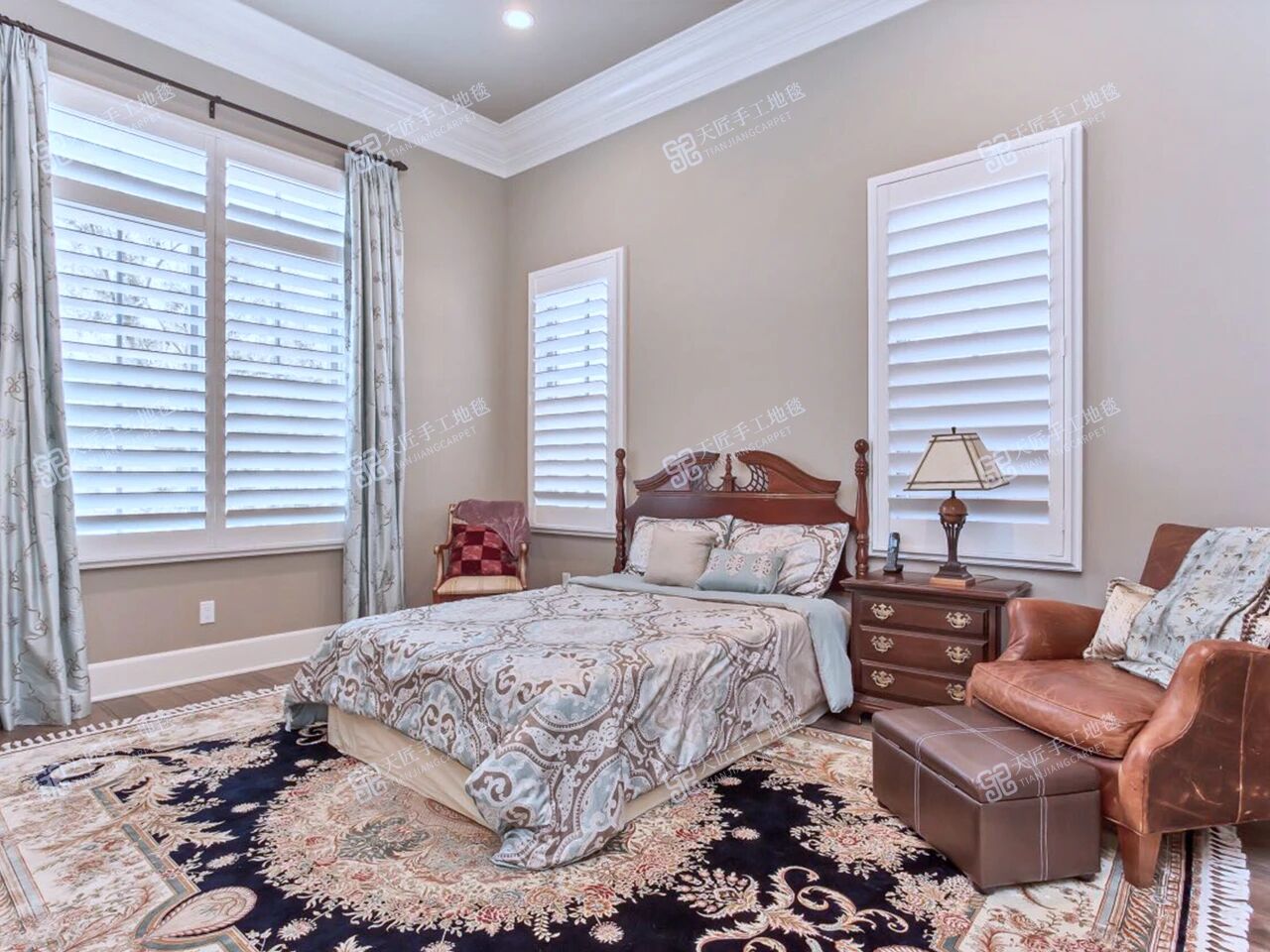
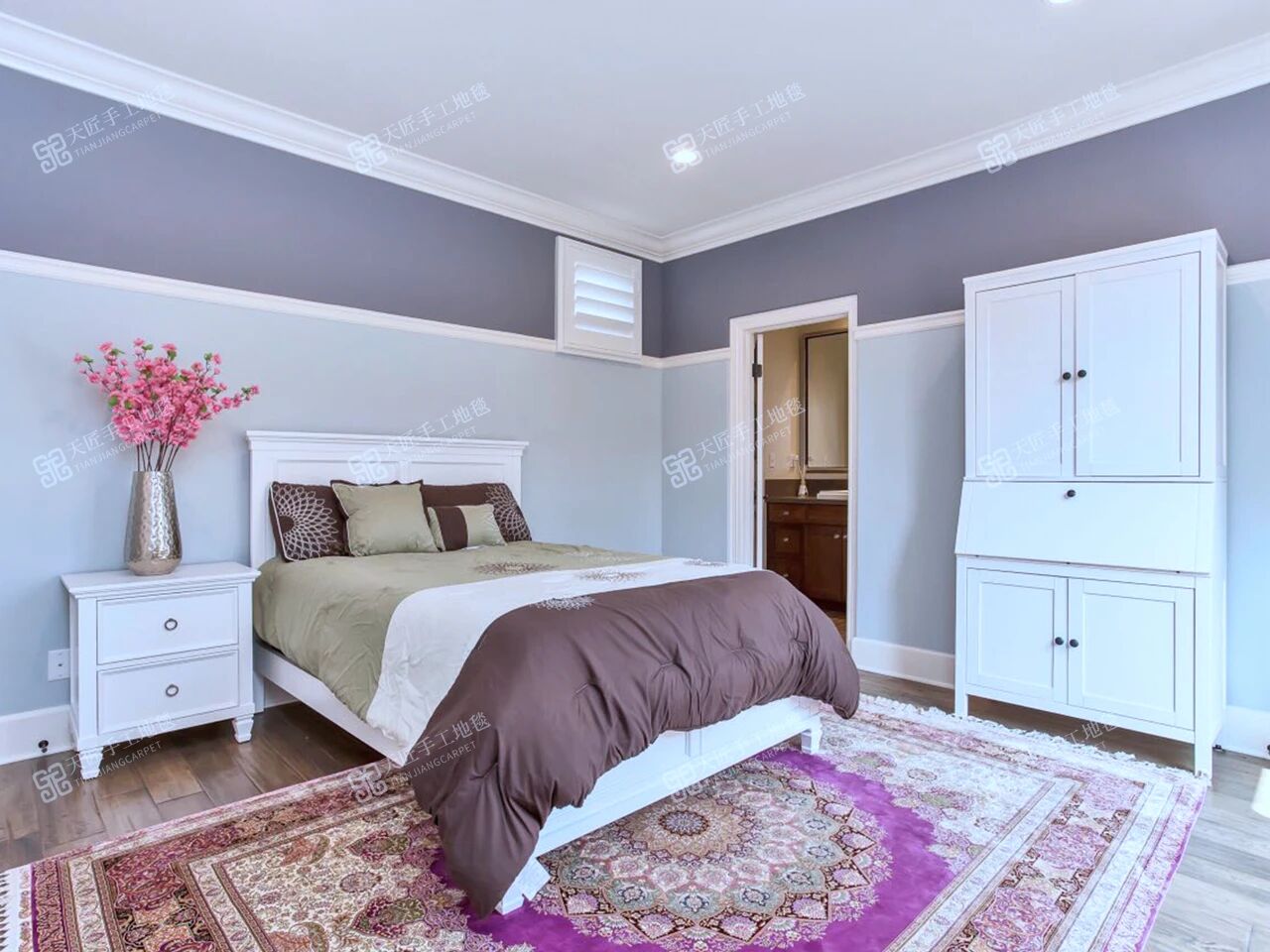
Scale is especially important. A rug that is too small can make a large room feel disconnected, even if the piece itself is beautiful. In a living area, consider how the front legs of sofas and chairs will relate to the rug. In a bedroom, think about how much of the design will remain visible once the bed is in place.
Color should be viewed in the room whenever possible. Silk changes noticeably under different lighting, so showroom photographs may not tell the full story. Ask for images from both ends of the pile and, for a major purchase, request a sample, in-room preview, or professional consultation.
Finally, work with a seller who is transparent about materials, origin, construction, and care. A knowledgeable specialist will help you compare pure silk, wool-and-silk blends, and viscose honestly instead of presenting them as interchangeable.
A Lasting Choice, When Chosen Well
A silk rug does not need to dominate a room to transform it. Its appeal often lies in quieter details: the way the pile responds to light, the precision of a border, or the slight variations that reveal the hand of the weaver.
For a luxury home, those details can bring warmth and individuality to an otherwise polished interior. Choose the material carefully, place it where it can be enjoyed without unnecessary wear, and arrange professional care when needed. A rug selected on that basis can remain one of the home's most distinctive pieces for many years.
If you are comparing handmade silk rugs for a specific room, speak with a rug specialist about size, fiber content, traffic, and lighting before ordering. A little planning makes it much easier to find a piece that looks right in the space and works in everyday life.