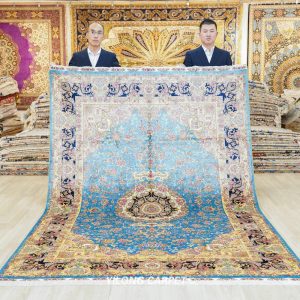
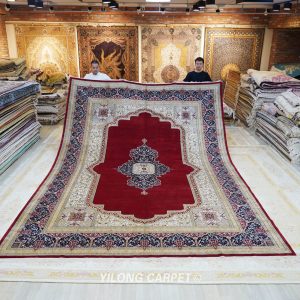
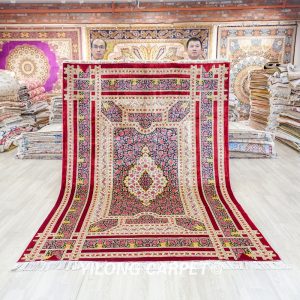
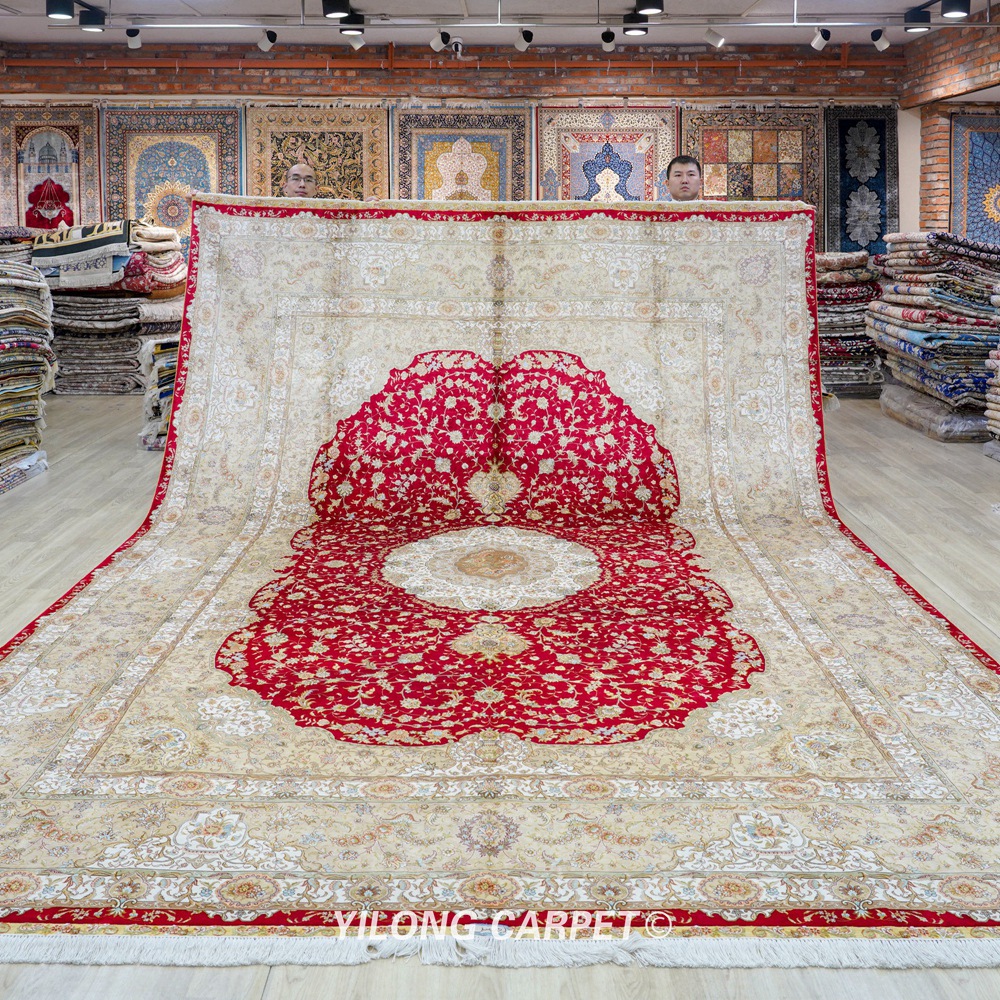
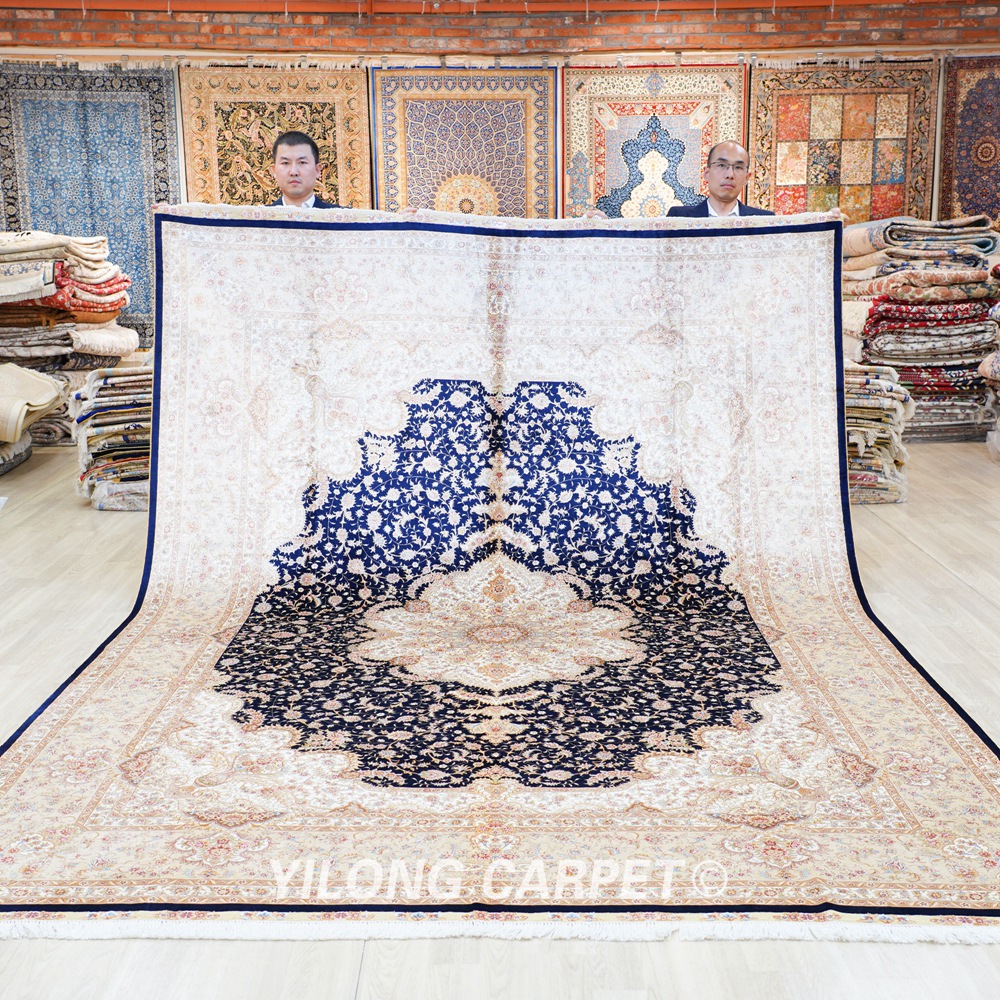
A handwoven carpet is never just about wool or silk.
Yes, the silk is soft and luminous. The wool is warm and grounded. But what truly gives a handmade rug its soul is something deeper — the patterns woven into it by hand, knot by knot, over time.
Unlike machine-made rugs that repeat the same design endlessly, handmade wool rugs and silk carpets carry culture, memory, and intention. Every motif has traveled through centuries: Persian elegance, Chinese auspicious symbols, Mediterranean botanical lines… all carefully preserved and reinterpreted by artisans.
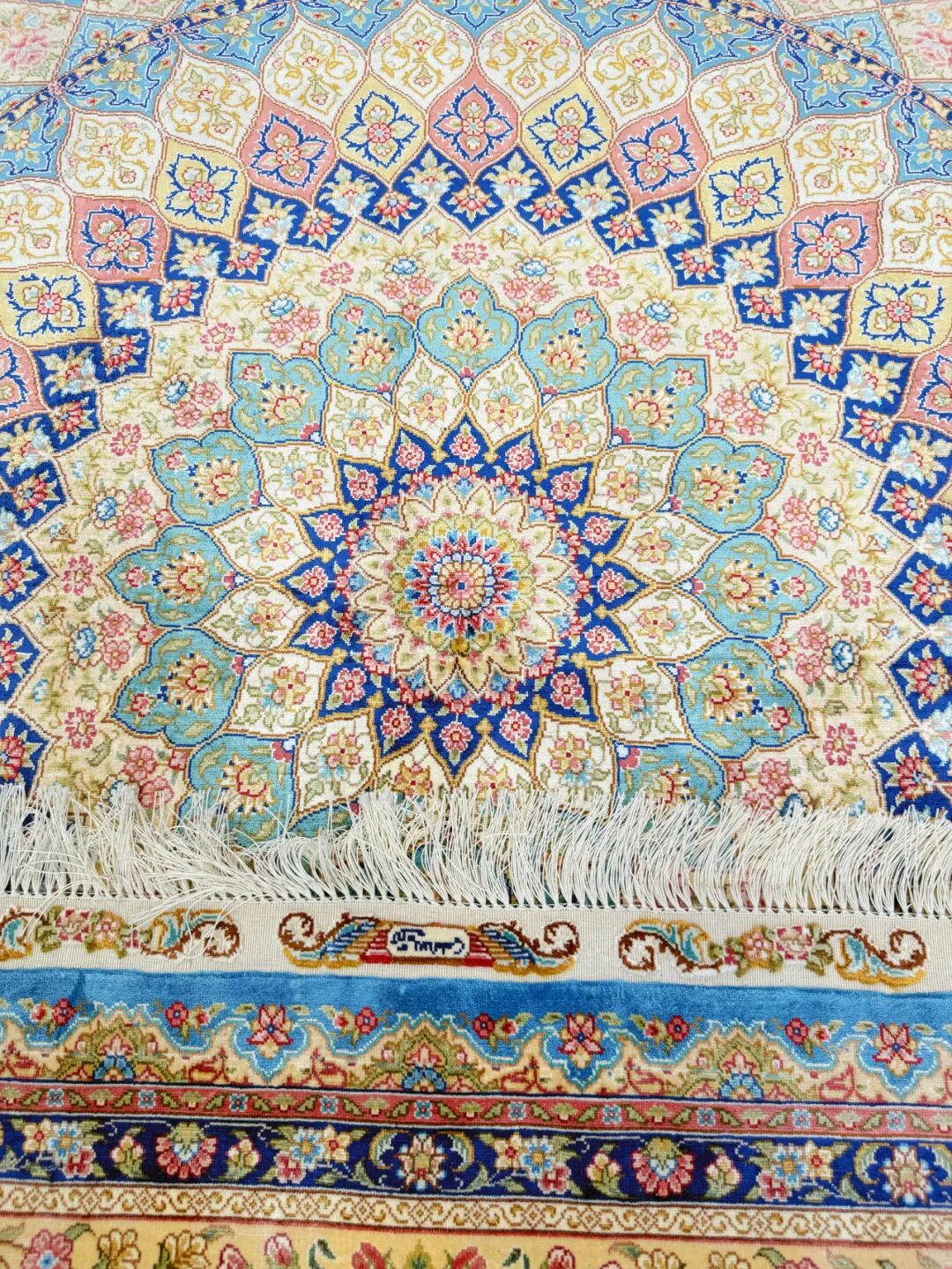
A rug is not just home décor. It is a piece of culture you can live with.
1. Persian Patterns: Elegance from the Ancient East, Softened by Time
When we talk about classic rug design, Persian patterns always come first.
They are not only beautiful — they are one of the earliest refined visual languages in the world of textile art. You’ll often find them in high-end silk carpets and fine wool pieces, where richness never feels loud, but quietly powerful.
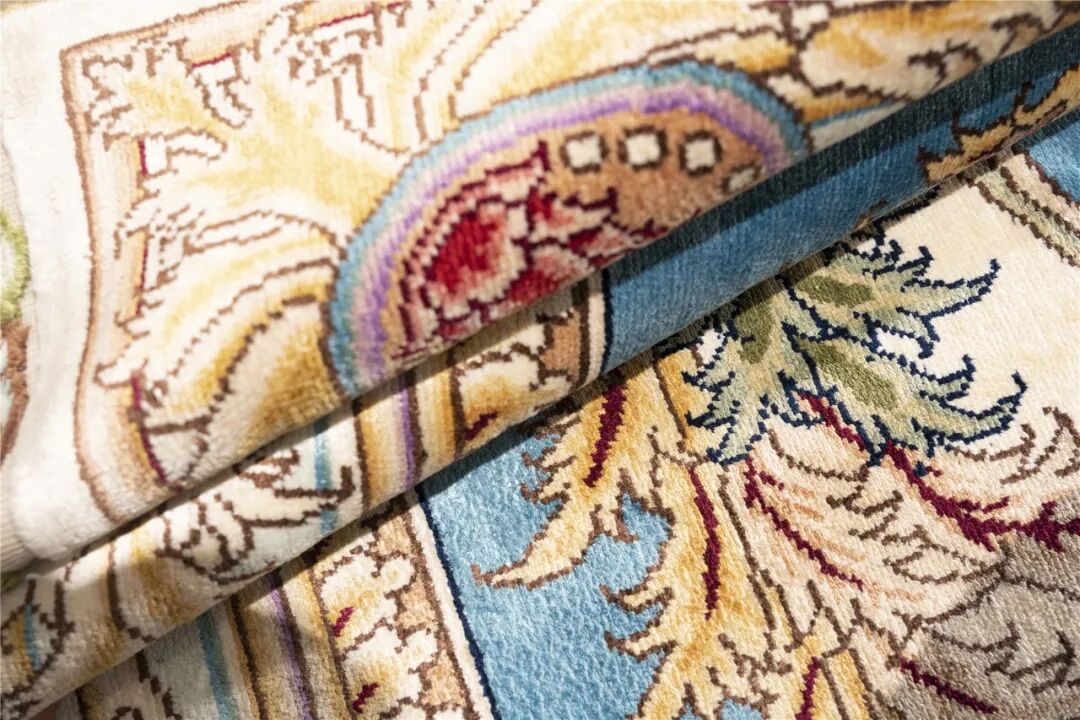
Originating from the ancient Persian Empire, these designs evolved over thousands of years. The core idea is balance: intricate, but never chaotic. Luxurious, but never overwhelming.
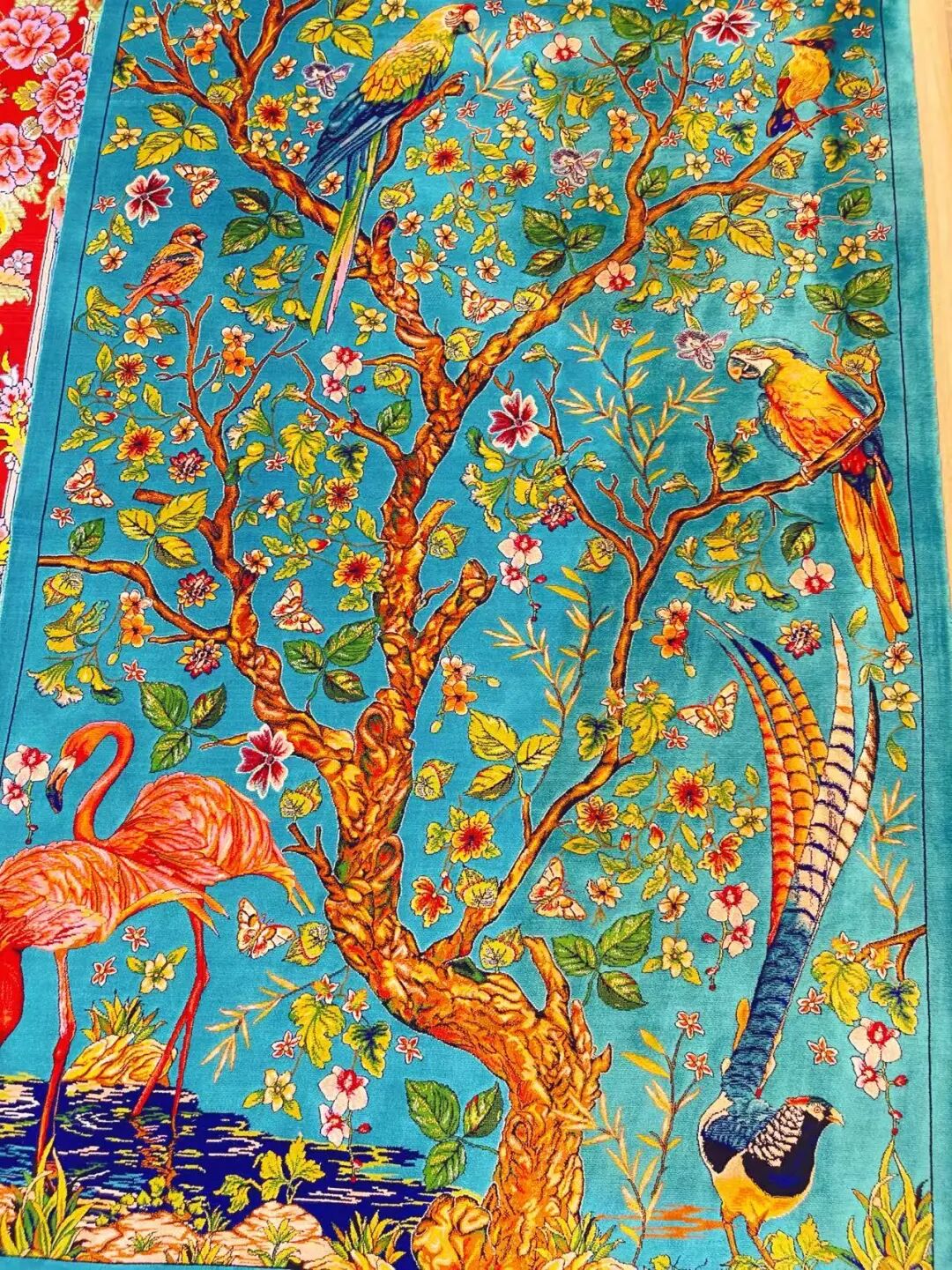
The most common elements include vines, floral scrolls, geometric structures, and symbolic animals.
Each detail carries meaning:
Flowing vines and branches
A symbol of endless life and continuity — often chosen for large living room rugs in villas or luxury apartments.
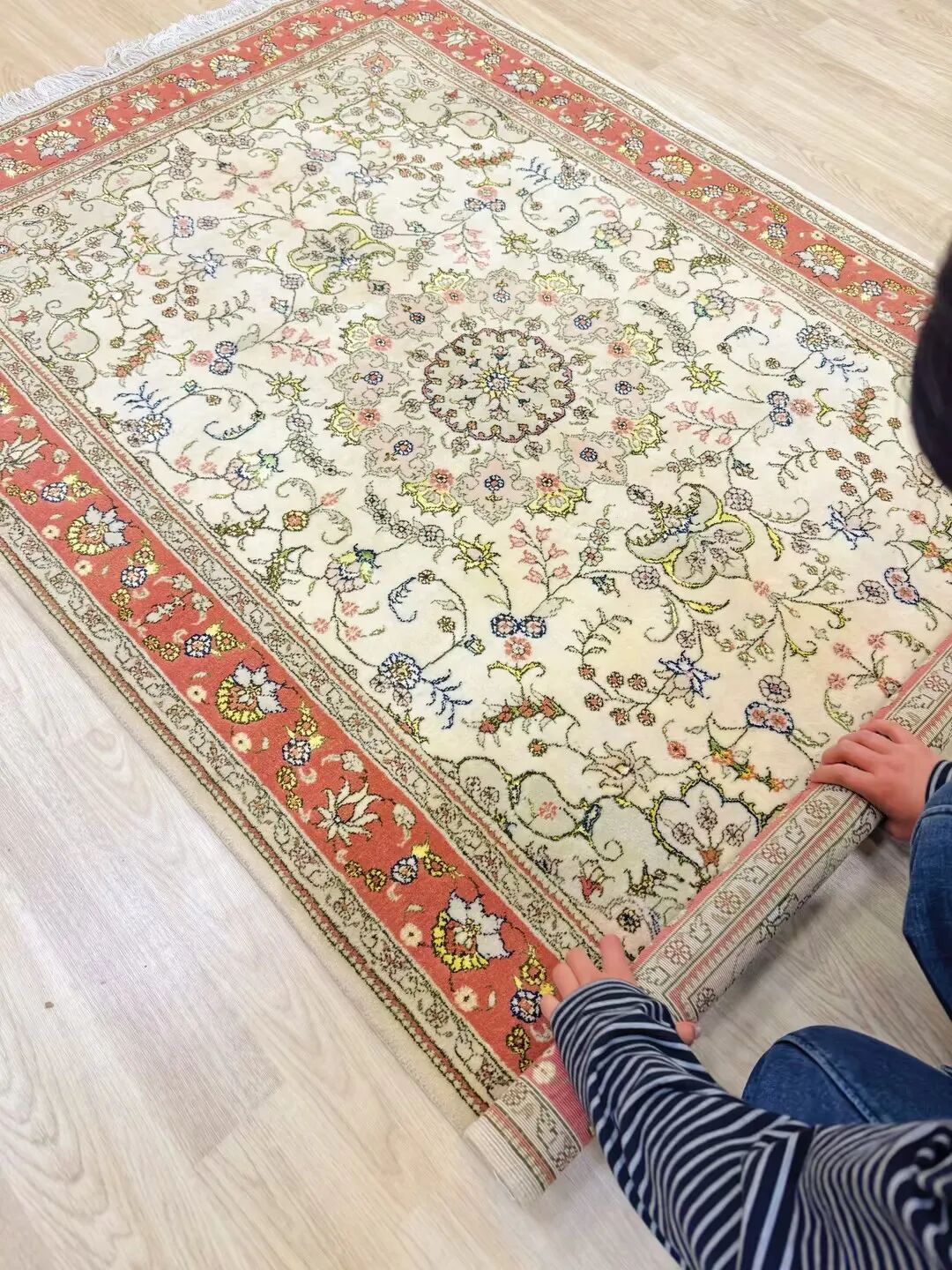
Floral and animal motifs
Roses represent love and beauty. Nightingales symbolize loyalty and companionship. Peacocks stand for prosperity and good fortune. These patterns are often used in bedrooms or studies, bringing a softer, more emotional atmosphere.
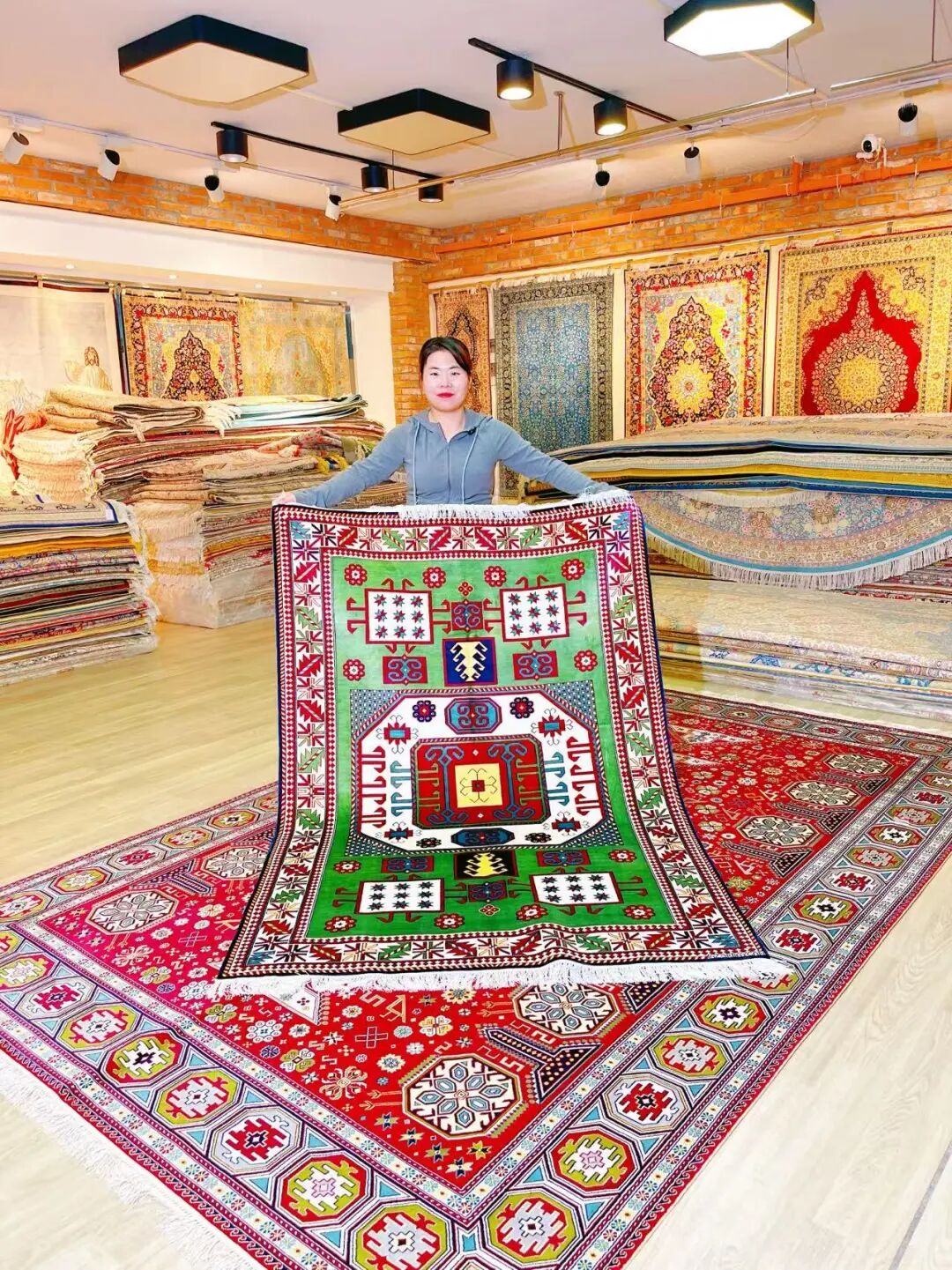
Geometric designs
Built from diamonds, circles, and triangles, these patterns reflect order and harmony. They fit perfectly into modern or contemporary interiors, adding quiet sophistication.
2. The Baoxiang Flower: Eastern Symbolism of Harmony and Completion
Compared with Persian elegance, the Baoxiang flower pattern carries a distinctly Eastern sense of blessing and serenity.
It is one of the most iconic motifs in traditional Chinese decorative art, often seen as a symbol of good fortune and completeness. The design blends idealized forms of lotus, peony, and chrysanthemum into a single harmonious bloom.
The word “Baoxiang” originally refers to the dignified and perfect appearance of Buddha statues — a sense of sacred balance and beauty.
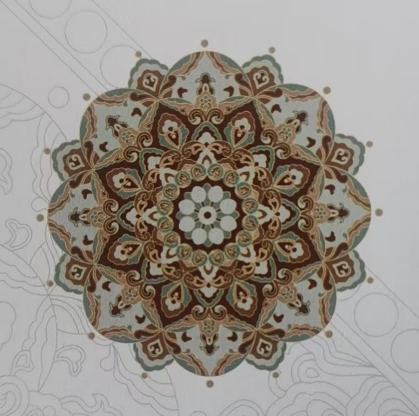
In rug design, the pattern is usually symmetrical, full, and flowing, with soft, rounded petals that feel calm and grounded.
Its meanings are simple, but deeply human:
Layered petals
A symbol of wholeness and reunion — reflecting family harmony and a complete life.
Blended floral essence
Lotus purity, peony prosperity, chrysanthemum resilience — all merged into one, representing health, luck, and stability.
Smooth circular lines
A wish for smooth living, peace, and emotional balance at home.
This is why Baoxiang patterns are often chosen for elegant Chinese-style interiors or quiet, refined living spaces.
3. Acanthus Pattern: A Botanical Poem from the Mediterranean
Different from the richness of Persian motifs and the softness of Eastern florals, the acanthus pattern brings a fresh European classical energy — full of life, movement, and architectural rhythm.
Originating in ancient Greece and Rome, it has been a key decorative motif in Western art for centuries. Today, it is widely used in high-end handmade carpets, especially in French-inspired, neoclassical, or modern luxury interiors.
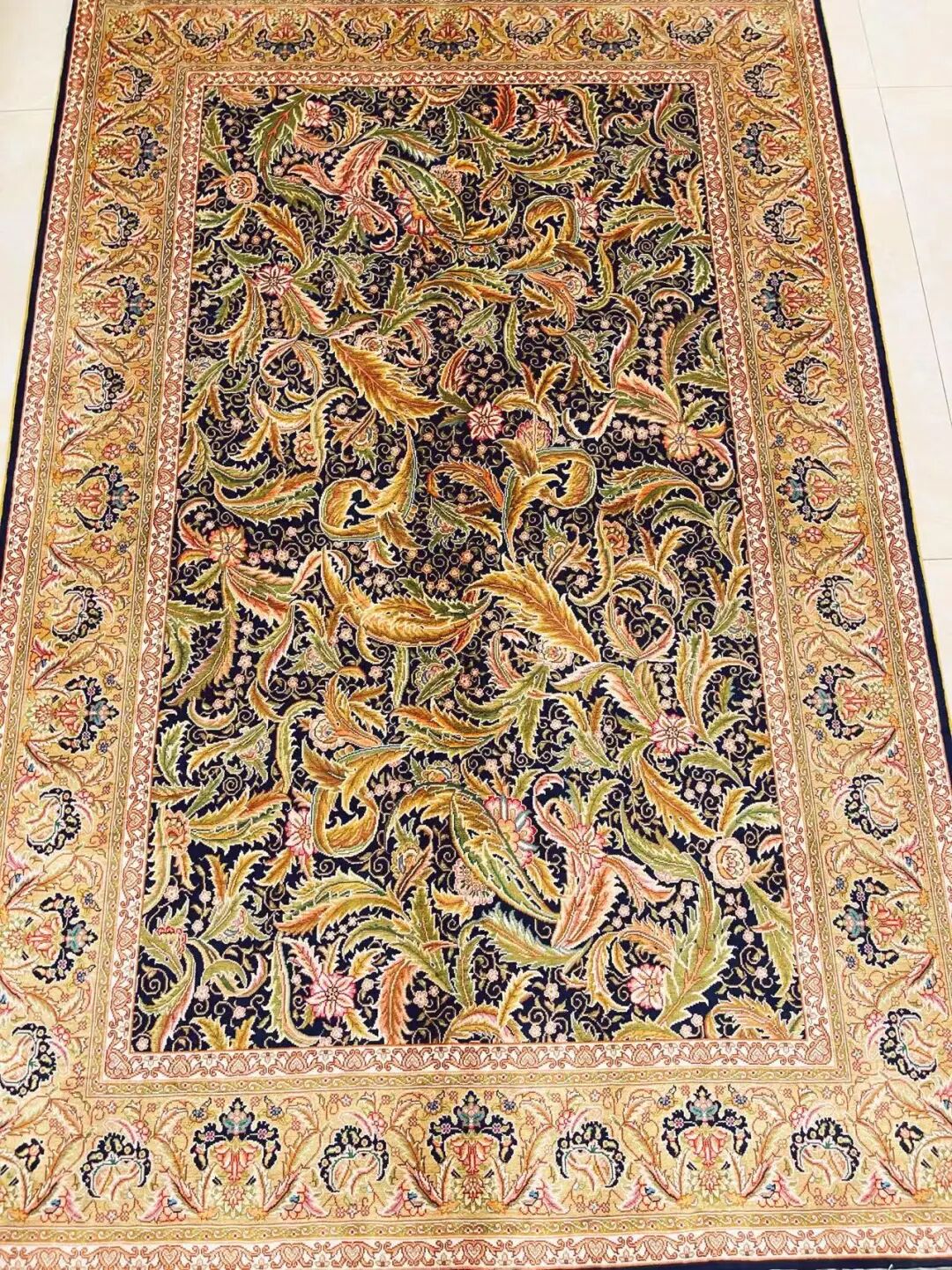
The inspiration comes from the acanthus plant, known for its resilience and naturally flowing leaves.
Artisans translate its organic movement into curling, elegant forms that feel both structured and free.
Its symbolism is closely tied to life and growth:
Evergreen leaves
A sign of vitality and strength — suggesting a home full of energy and resilience.
Flowing curves
Represent freedom, elegance, and natural movement — a reminder of living with ease and comfort.
Fusion of nature and classical design
A dialogue between ancient wisdom and natural beauty, reflecting a lifestyle that values both tradition and renewal.
Final Thoughts
The patterns on a handmade carpet are never just decoration.
They are cultural memory. They are the craftsman’s quiet dedication. And they are gentle messages about how life can be lived.
Whether it’s the refined storytelling of Persian design, the balanced blessings of Chinese motifs, or the living rhythm of Mediterranean leaves, each pattern speaks in its own language — silently shaping the atmosphere of a home.
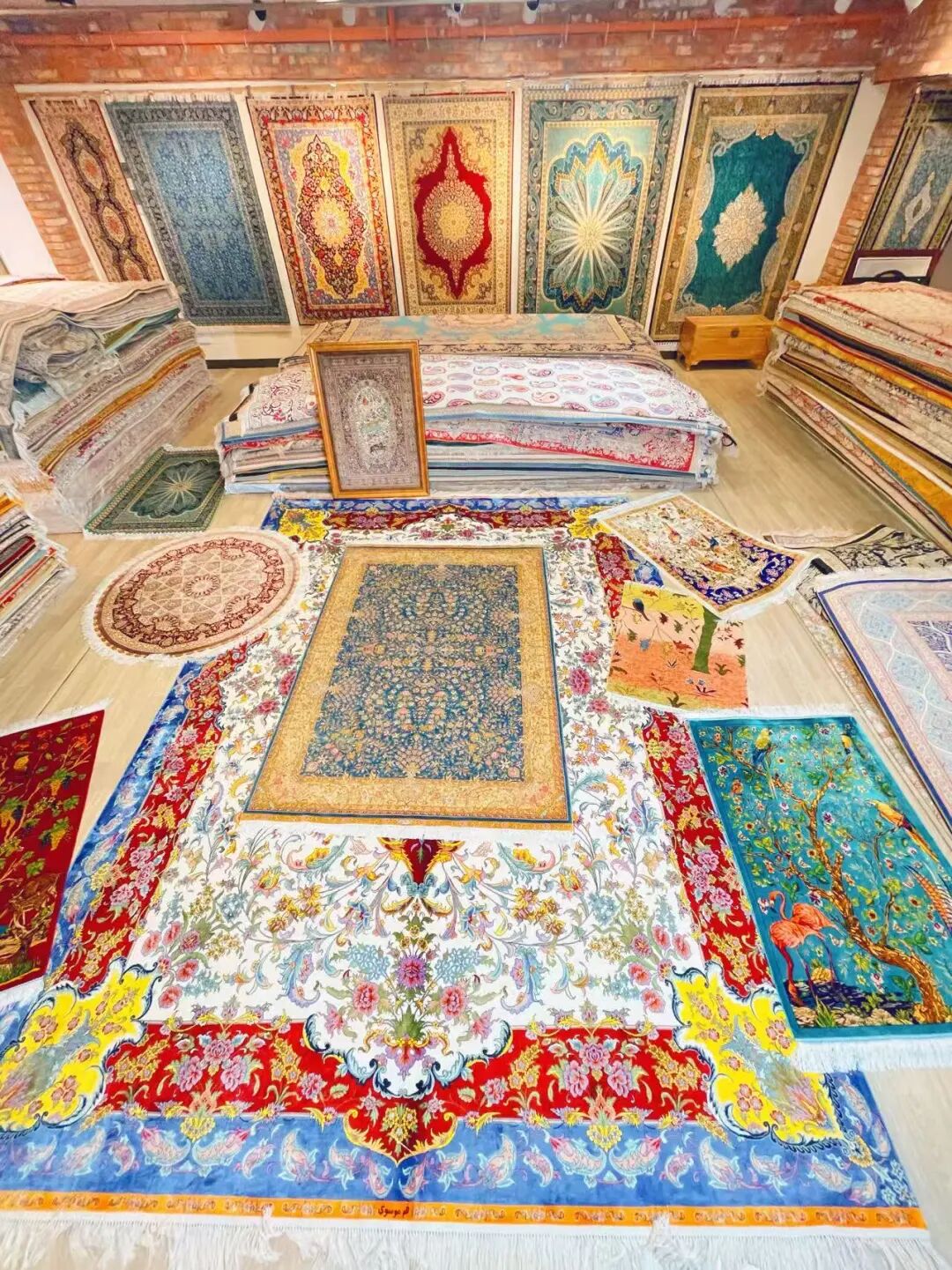
So next time you choose a handmade rug, take a closer look. Don’t just see the colors or textures. Feel the story inside it.
Because the right pattern doesn’t just decorate a room — it stays with you, and becomes part of your life.