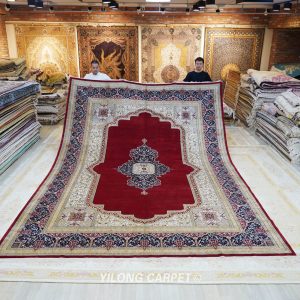
For the past few years, we've seen countless beautiful homes.
Perfectly painted walls. Carefully coordinated colors. Clean-lined furniture. Thoughtfully designed lighting.Everything looked polished and picture-perfect.
And yet, something was missing.Many homeowners have begun to realize that a truly inviting home is about more than visual perfection. It should feel warm. Comfortable. Personal. It should reflect the people who live there, not just the latest design trend.
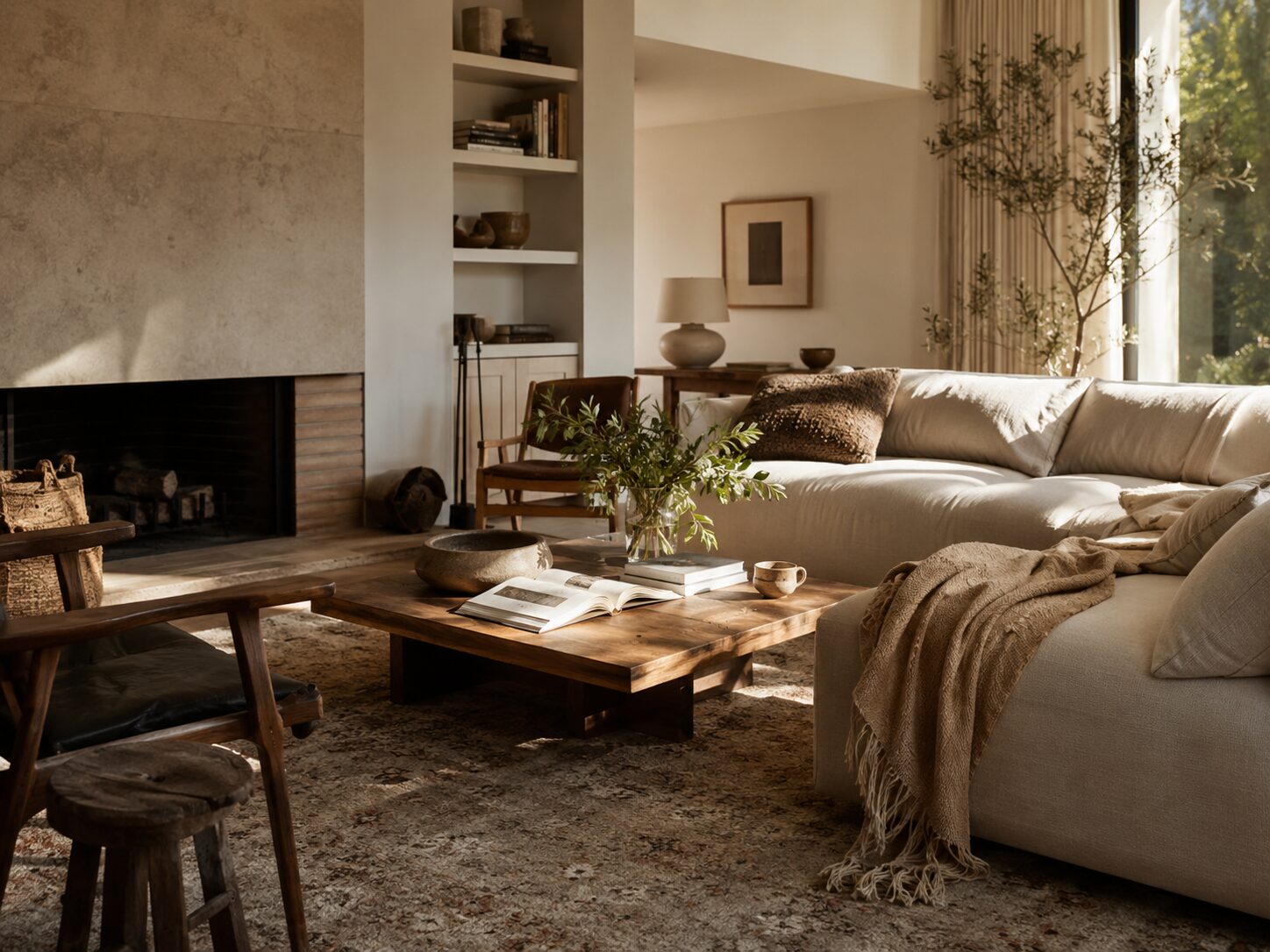
That shift is one of the biggest reasons handmade rugs are returning to the spotlight in 2026.
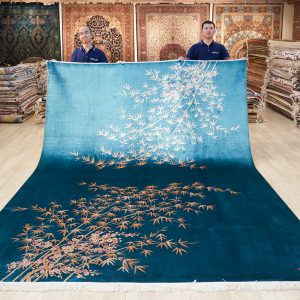
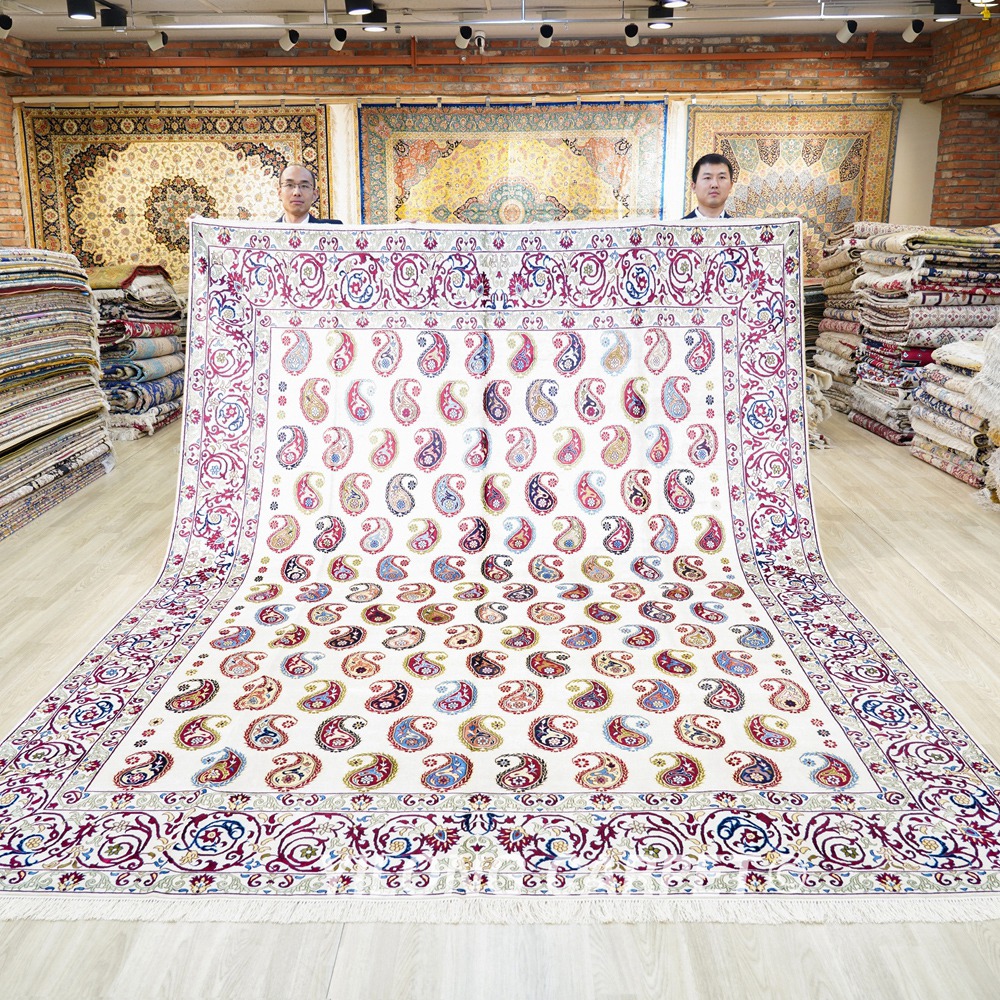
As interior design moves away from overly polished spaces and toward natural materials, tactile experiences, and individuality, handmade silk rugs and handmade wool rugs have found a new relevance. The qualities once considered traditional—natural fibers, hand craftsmanship, intricate details, and the subtle marks of time—are now exactly what many luxury homeowners are looking for.
From Showrooms Back to Real Living
For years, many interiors seemed designed primarily to look good in photographs.
Today's homeowners are asking a different question:
Does this space actually feel good to live in?
A home should carry the personality, habits, and memories of the people who inhabit it. It should include the warmth of wood touched by sunlight, fabrics softened through daily use, and objects that become more meaningful over time.
A handmade rug fits naturally into this idea.
Unlike mass-produced décor that follows seasonal trends, a hand-knotted rug becomes part of a home's story. It doesn't demand attention. Instead, it quietly grows more beautiful as it becomes woven into everyday life.
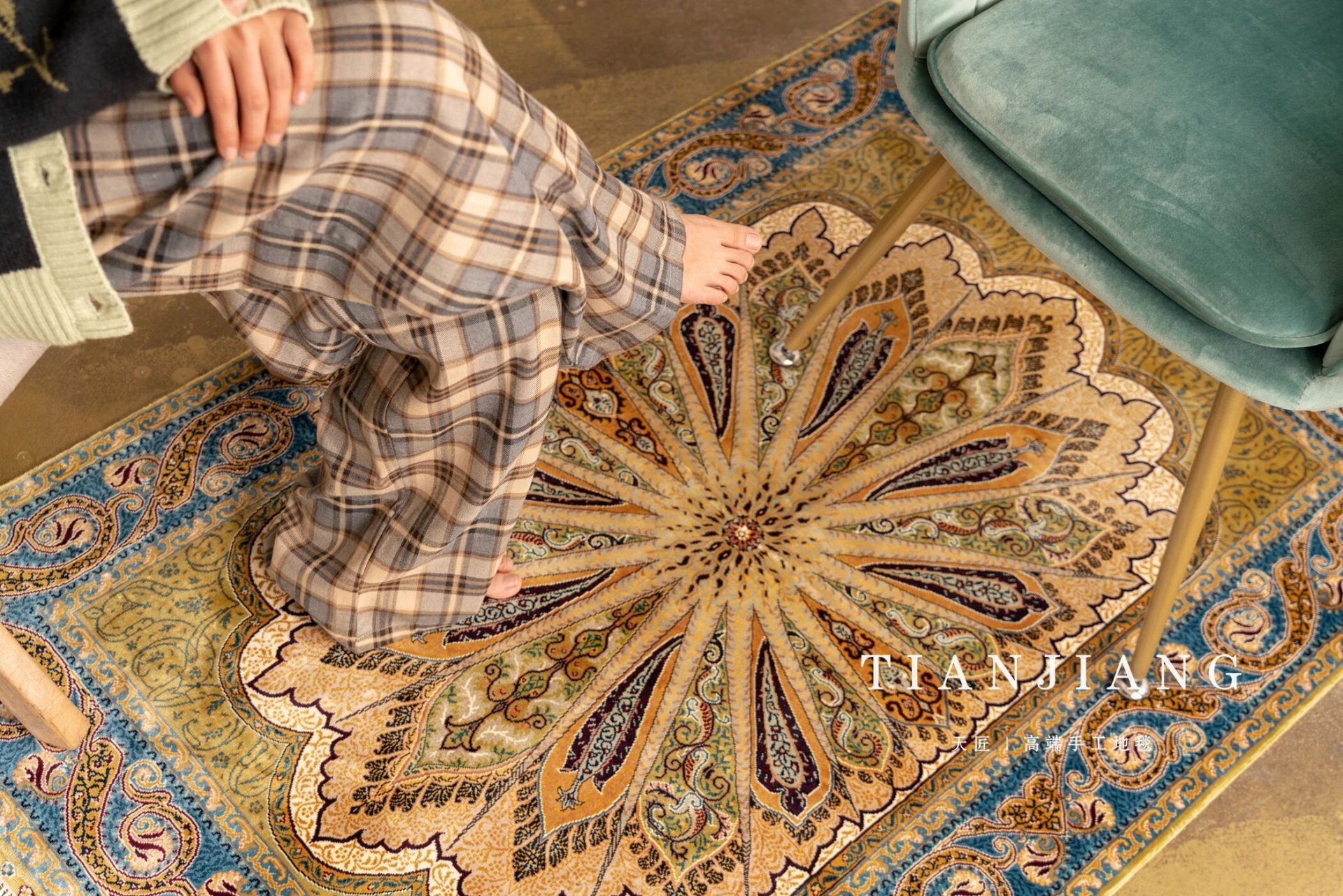
Every knot, every texture, and every subtle variation tells a story of craftsmanship and time.
That is why experienced designers rarely view a rug as merely an accessory.
A rug often serves as the foundation of a room. It defines relationships between furniture, anchors conversation areas, and influences whether a space feels cold and disconnected or warm and welcoming.
The Return of Natural Materials
One of the clearest design directions for 2026 is the growing appreciation for natural materials.
Wood. Stone. Linen. Wool. Silk. Rattan.
These materials possess something synthetic alternatives struggle to replicate: a sense of life.
They contain texture, variation, and character. Their beauty lies not in perfection, but in authenticity.
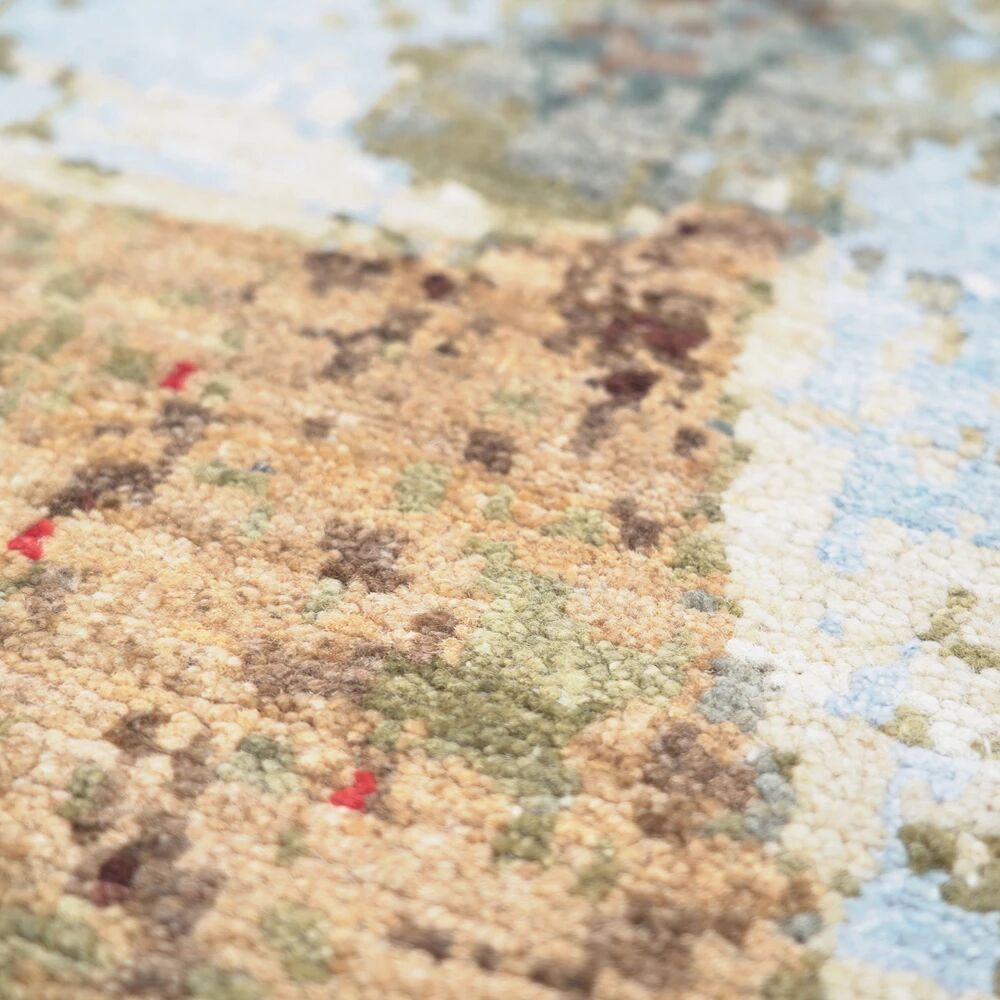
Handmade wool rugs embody this philosophy beautifully.
Wool offers softness, resilience, and a rich matte texture that brings comfort to a room. In modern minimalist, Scandinavian, Japandi, or organic contemporary interiors, a wool rug often softens hard architectural lines and creates a more welcoming atmosphere.
Handmade silk rugs offer a different kind of beauty.
Silk captures and reflects light in subtle ways that change throughout the day. Colors appear to shift as sunlight moves across the room. What feels soft and understated in the morning can become elegant and luminous by evening.
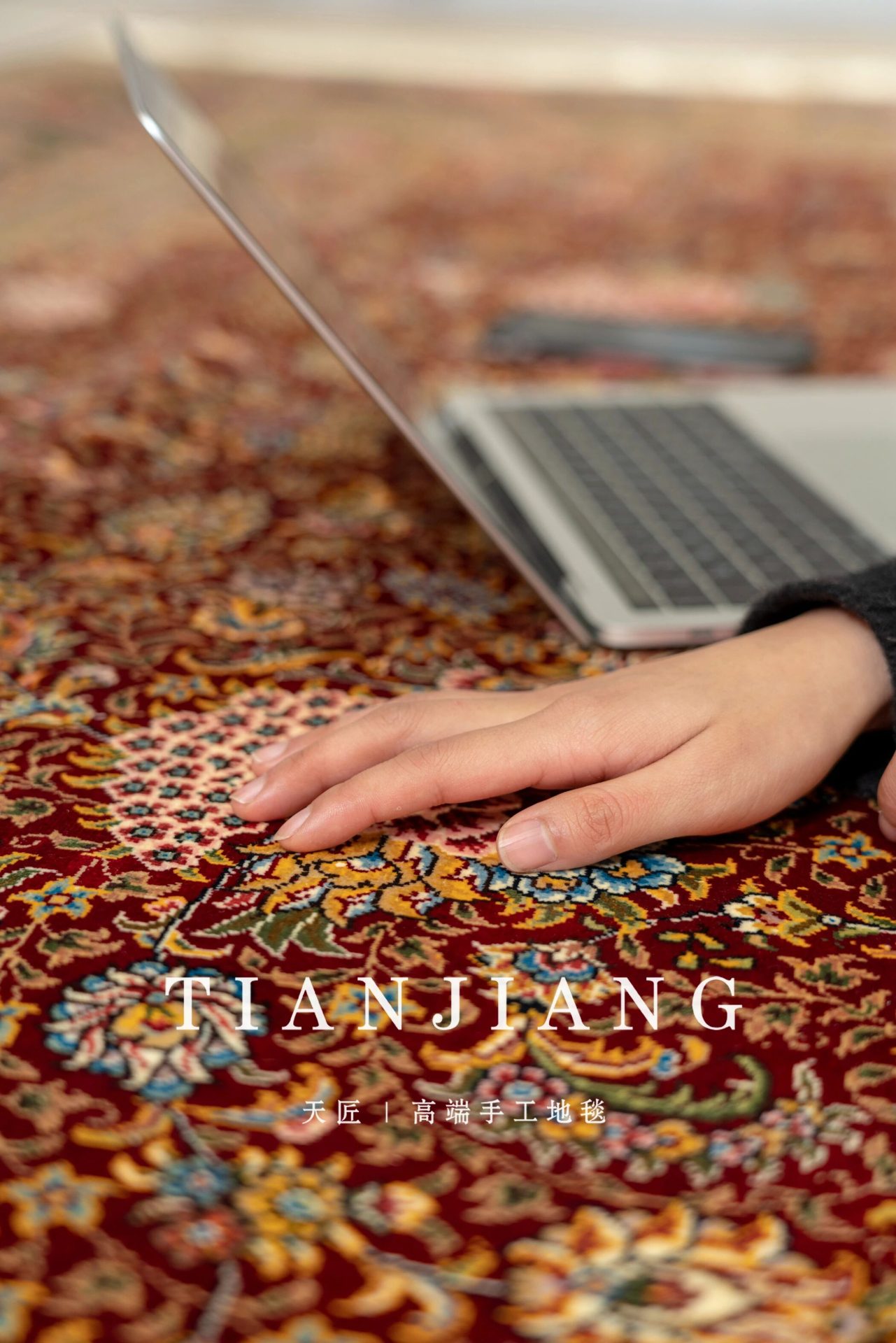
This is not the flashy luxury often associated with modern décor.
It is a quieter, more refined kind of luxury.
For this reason, wool and silk are not simply different materials. They create different emotions within a space.
Wool brings warmth, comfort, and relaxation.
Silk brings sophistication, depth, and a sense of artistry.
Both contribute far more than decoration—they help shape the atmosphere of a home.
Touch Has Become the New Luxury
For a long time, design was judged primarily by appearance.
Today, people are paying more attention to how a home feels.
The texture beneath bare feet.
The softness of materials touched every day.
The way light interacts with textiles.
Even the way sound moves through a room.
These sensory experiences play a major role in how comfortable a home feels.
This is where handmade rugs remain unmatched.
Unlike many decorative objects that are admired from a distance, rugs become part of daily life. Children play on them. Pets nap on them. Families gather around them. Every step creates a physical connection with the space.
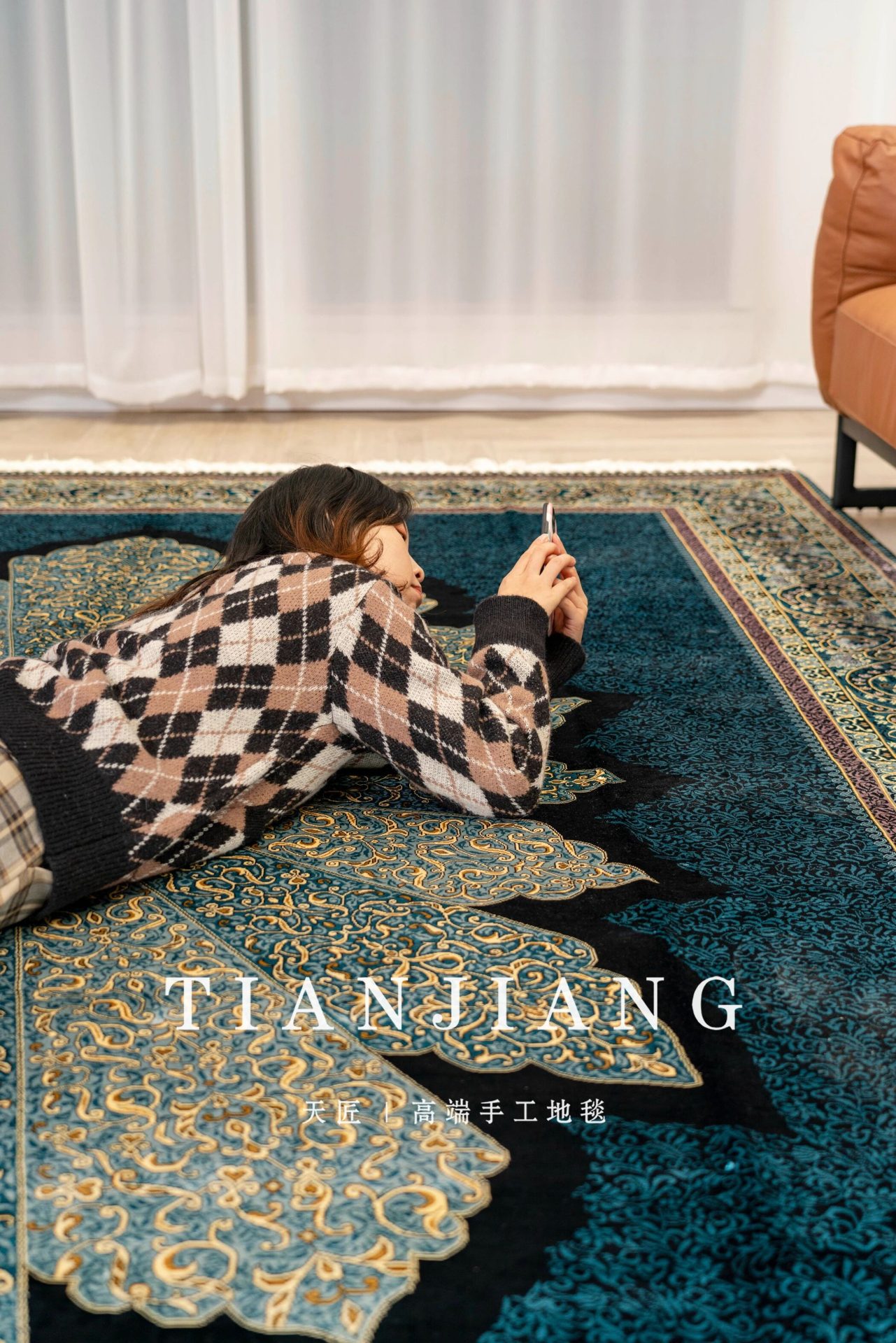
The tactile quality of a hand-knotted rug comes not from surface treatments but from the fibers themselves and the traditional weaving techniques used to create them.
Machine-made rugs can imitate patterns.
What they cannot easily reproduce is the depth, texture, and dimensionality created by thousands—or even millions—of individually tied knots.
That craftsmanship can be felt as much as it can be seen.
Personal Spaces Need Unique Pieces
One challenge in today's design world is that many homes are beginning to look alike.
Minimalist. Modern farmhouse. Japandi. Quiet luxury. Organic modern.
While these styles are beautiful, they can become repetitive when applied too mechanically.
The most memorable interiors usually include something unique—an antique cabinet, a meaningful artwork, a vintage light fixture, or a handmade rug.
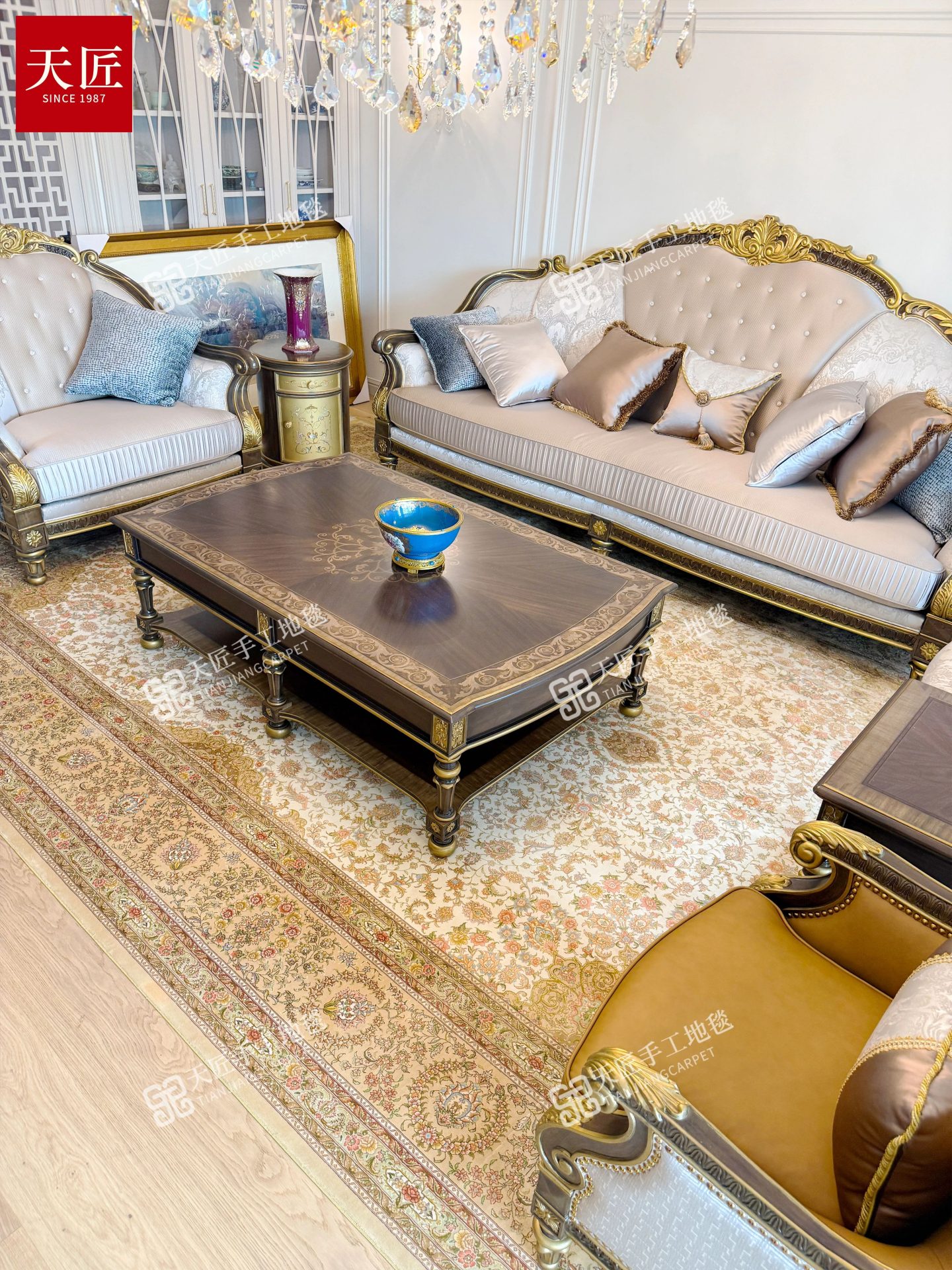
Handmade rugs naturally bring individuality into a space.
Even rugs woven from the same design are never completely identical. Small variations in dye lots, knot tension, fiber characteristics, and weaving techniques create subtle differences that make each piece one of a kind.
These variations are not flaws.
They are evidence of human craftsmanship.
A handmade silk rug can add depth and elegance to a French-inspired interior. It can enrich the layered atmosphere of a contemporary Asian-inspired home. It can soften the cool surfaces often found in modern luxury spaces.
Likewise, a handmade wool rug can introduce warmth to contemporary interiors, strengthen the character of traditional spaces, and complement the natural textures of wood-focused environments.
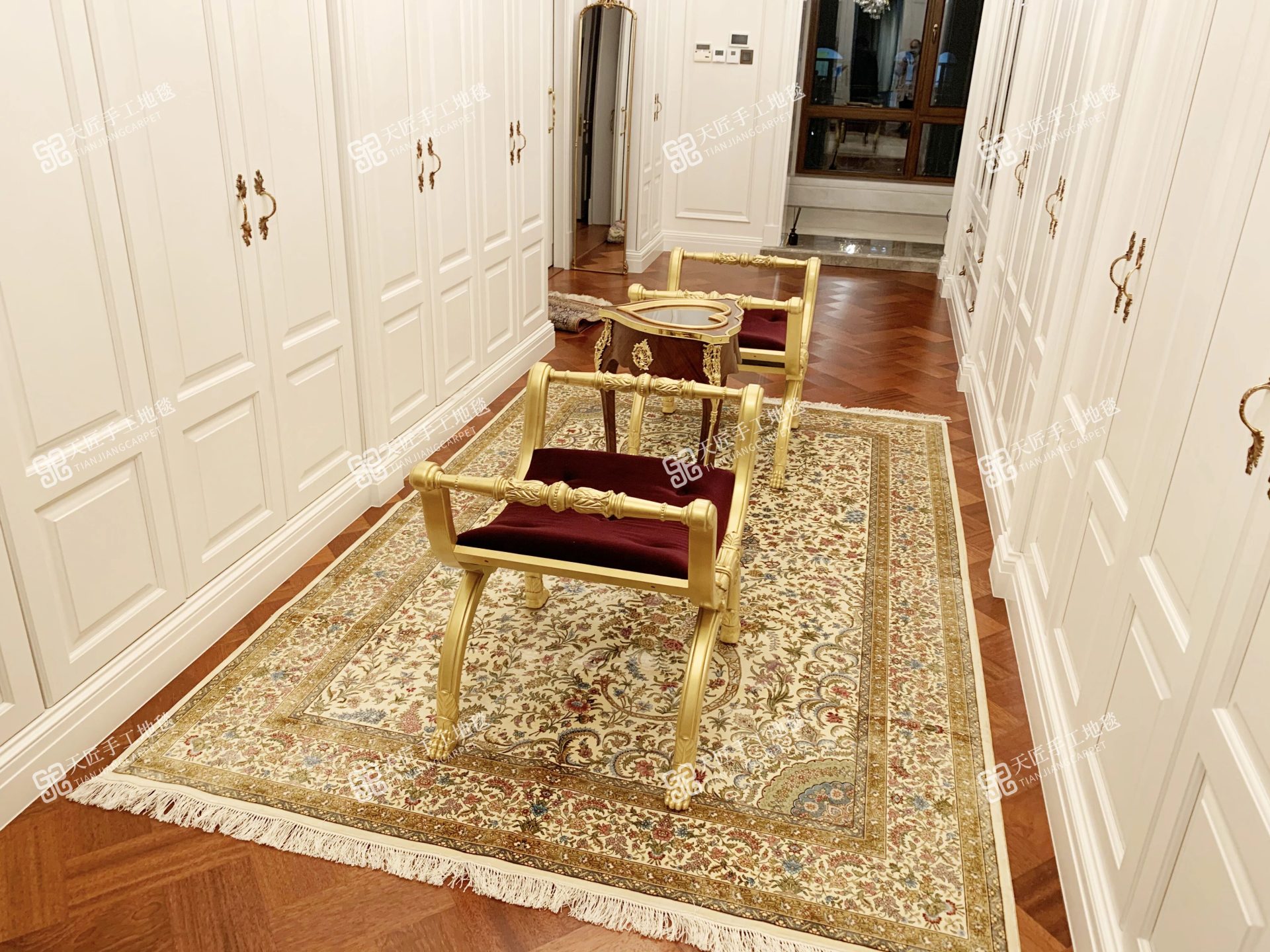
In many ways, a rug acts as a translator.
It connects architecture, furniture, lighting, art, and everyday living into a cohesive whole.
The Value of Handmade Rugs Is Measured in Time
In an age of fast furniture and rapidly changing trends, the value of craftsmanship becomes increasingly meaningful.
Creating a high-quality handmade rug is a slow process.
Designing.
Selecting fibers.
Dyeing.
Preparing the loom.
Hand-knotting thousands of individual knots.
Finishing and washing.
For fine silk rugs and premium wool rugs, this process can take months—or even years.
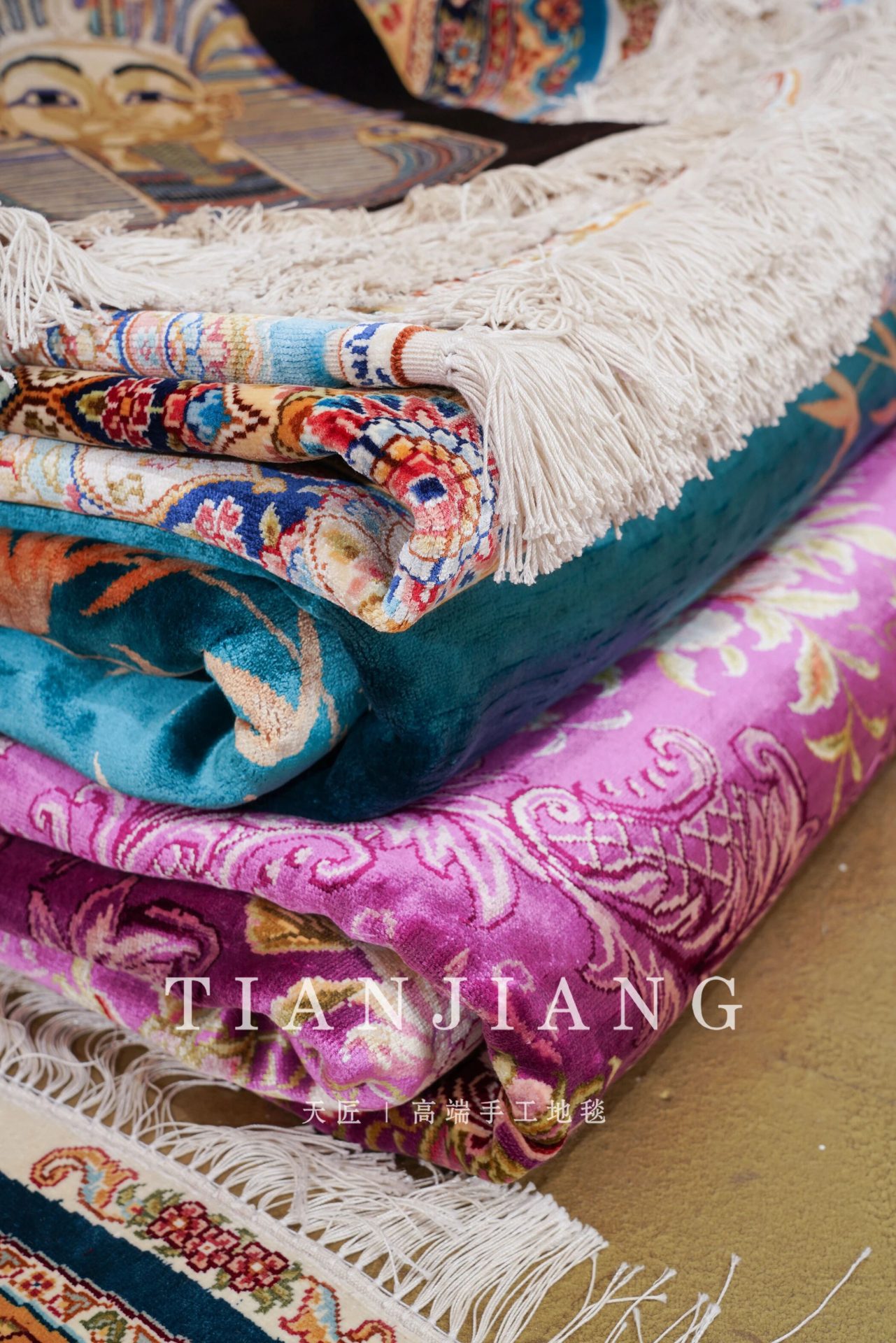
That investment of time becomes visible in the finished piece.
You see it in the clarity of the design.
The precision of the borders.
The subtle transitions of color.
The density of the knotting.
Even on the back of the rug, the individual knots reveal the craftsmanship hidden beneath the surface.
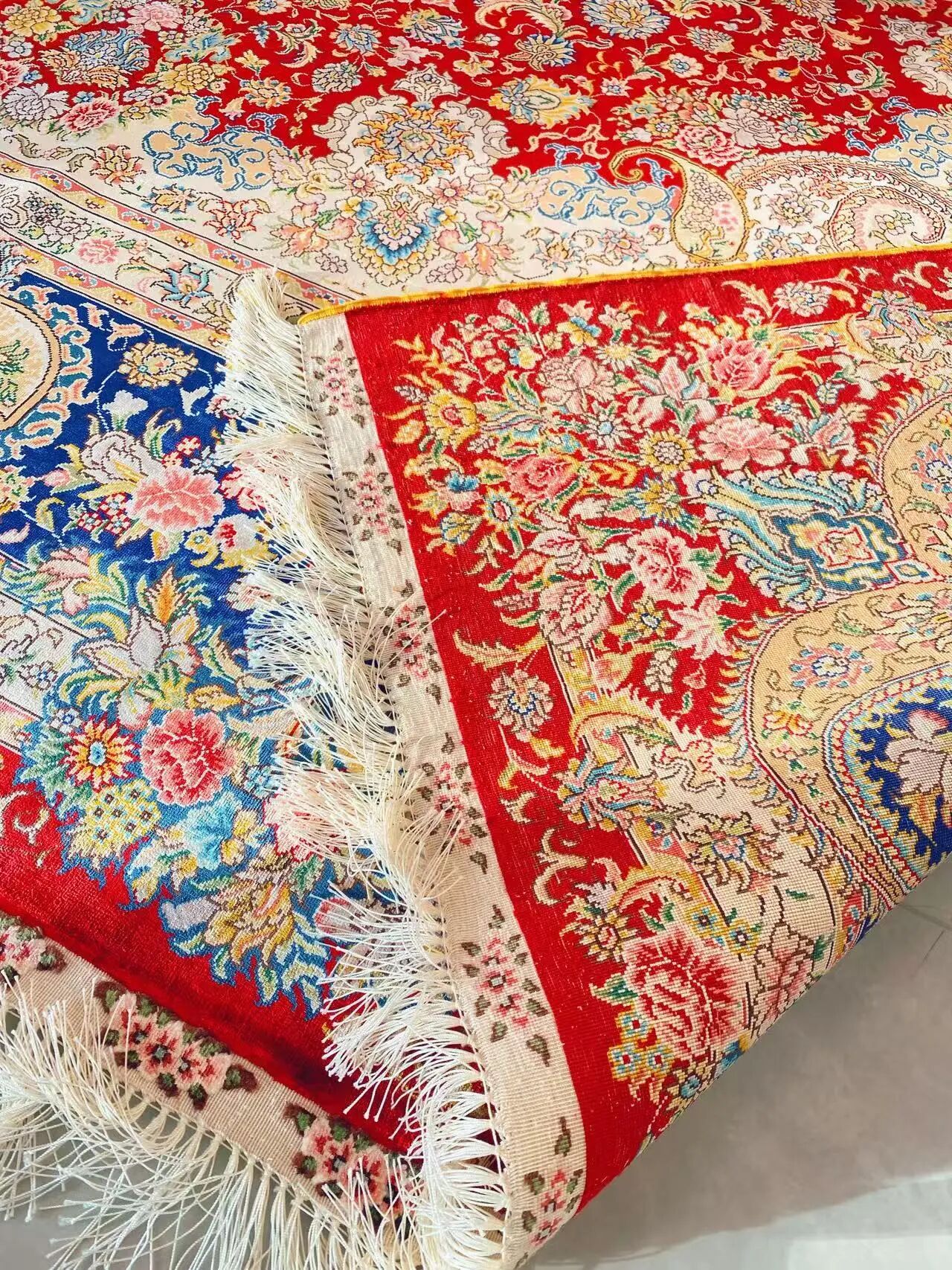
Trends will change.
Furniture styles will evolve.
Social media aesthetics will come and go.
But exceptional materials and skilled craftsmanship tend to outlast fashion.
That is why many handmade rugs become more appreciated over time rather than less.
A Rug Is Not the Final Touch—It's the Beginning
Many homeowners think about rugs only after everything else has been chosen.
The walls are painted.
The furniture has arrived.
The lighting is installed.
Then comes the question:
"Should we add a rug?"
Experienced designers often approach the process differently.
A rug can be one of the first decisions because it influences so many other elements.
It helps establish scale.
It defines gathering areas.
It connects furniture pieces into a unified composition.
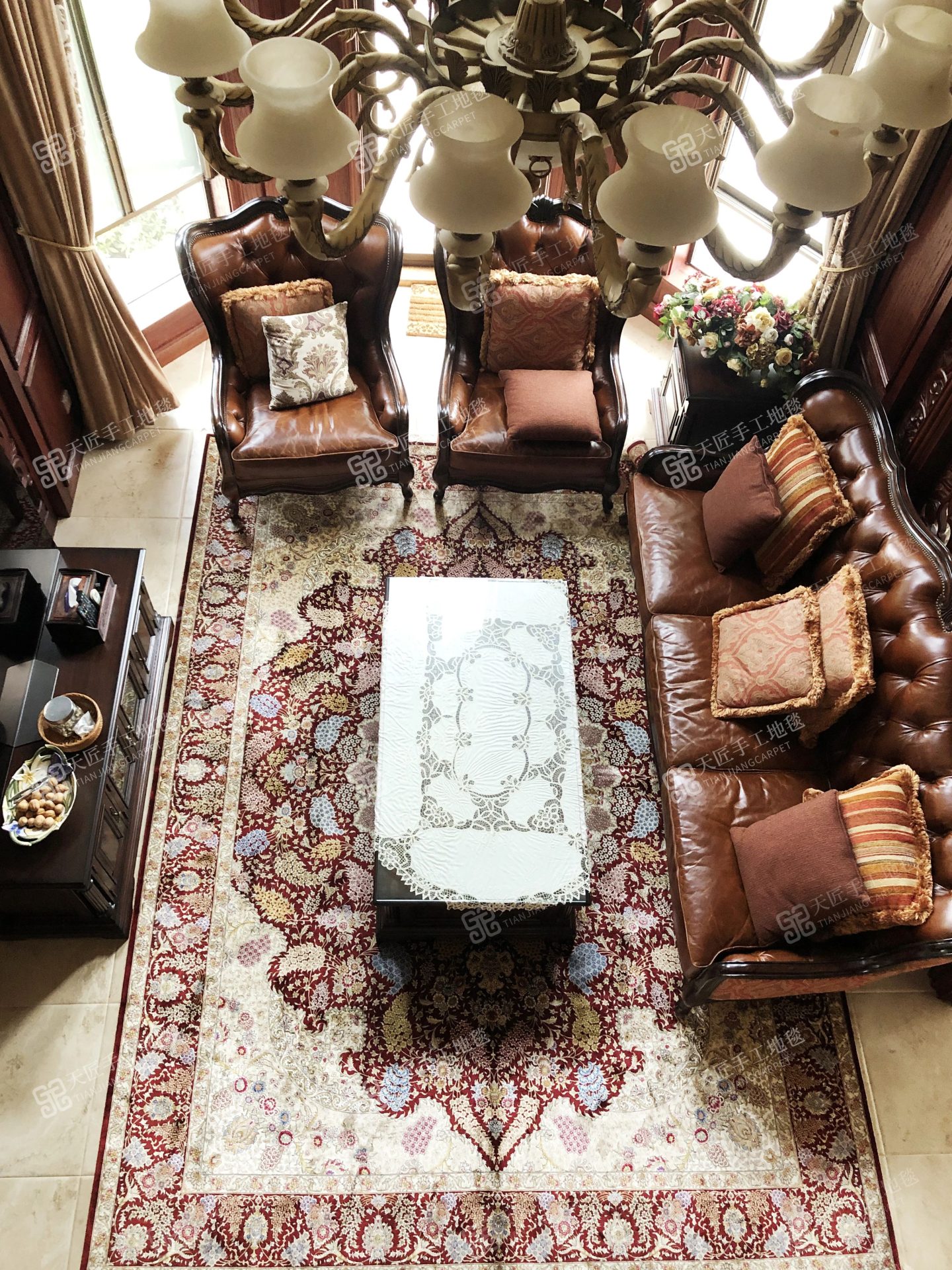
It often provides the color palette that ties the room together.
In many interiors, the missing element isn't another chair or decorative accessory.
It's the foundation that brings everything together.
And that foundation is often a handmade rug.
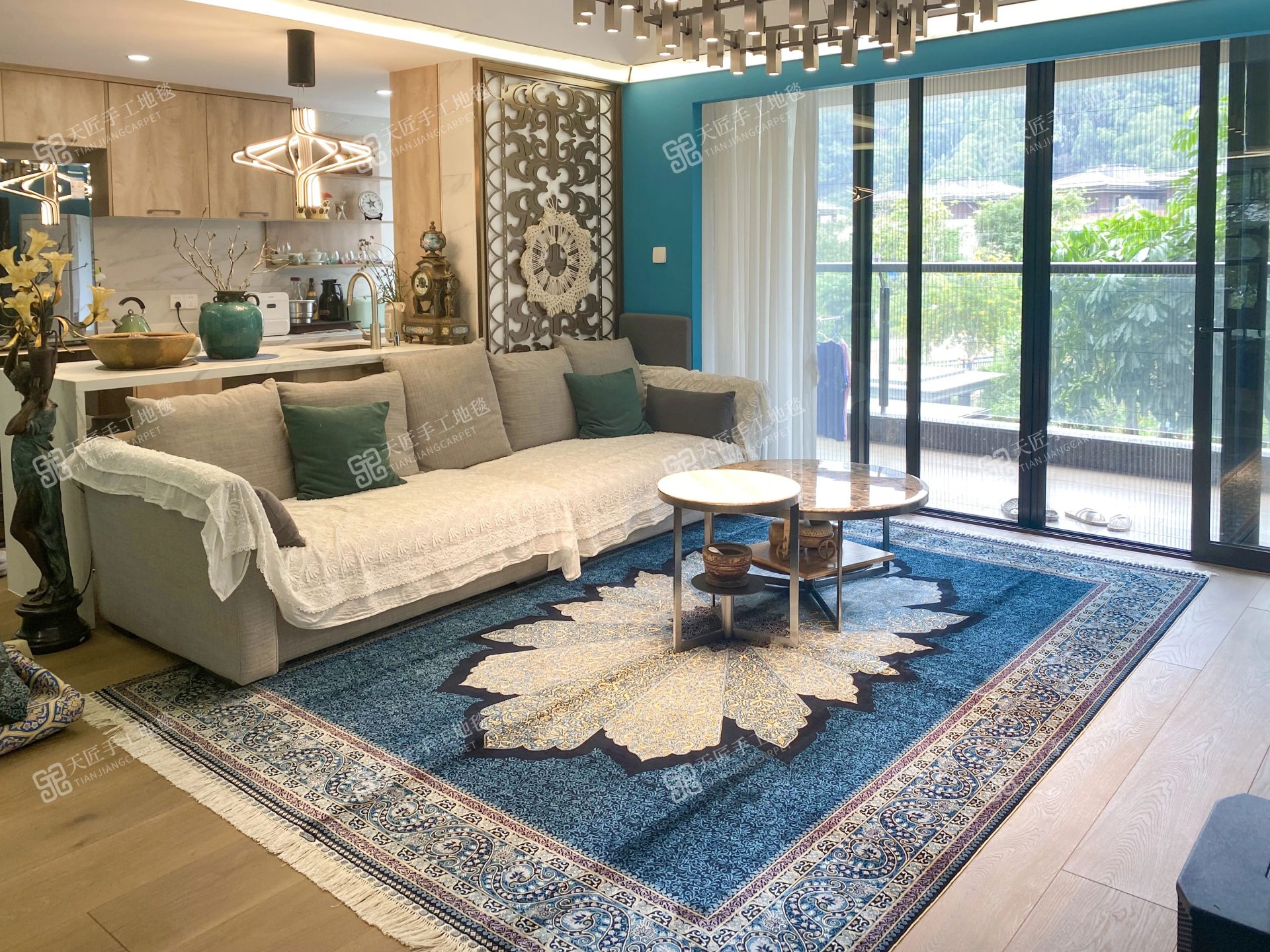
The Return of Handmade Rugs Is Really the Return of Home
The renewed interest in handmade rugs is about more than interior design trends.
It reflects a broader shift in how people think about home.
Home is no longer just a space to be photographed.
It is a space to be lived in.
Touched.
Shared.
Experienced.
As homeowners seek more authenticity, comfort, and lasting quality, handmade silk rugs and handmade wool rugs offer something increasingly rare: craftsmanship with soul.
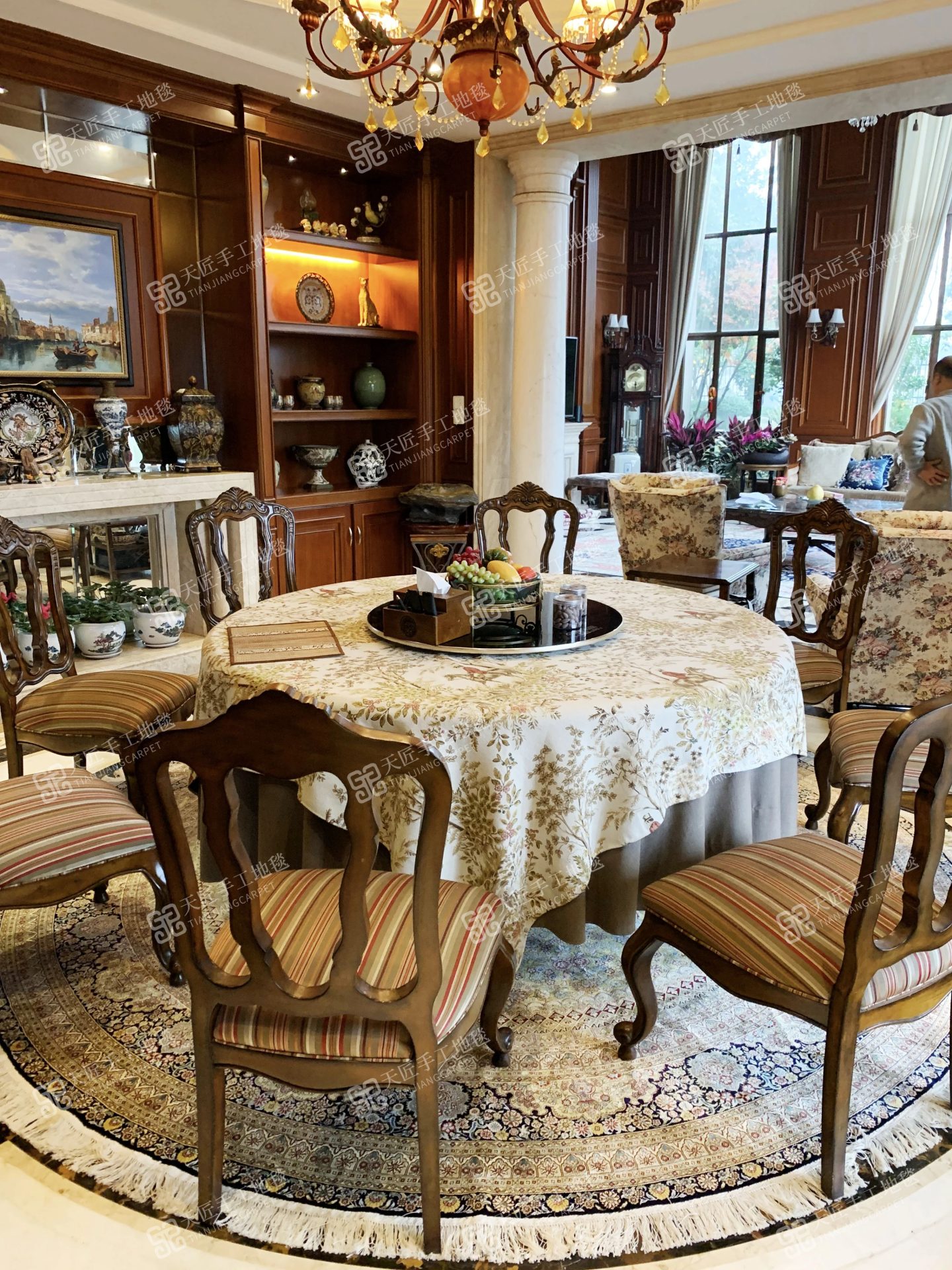
They are not simply floor coverings.
They are materials, traditions, artistry, and time woven together.
And perhaps that is why, in 2026, handmade rugs feel more relevant than ever.