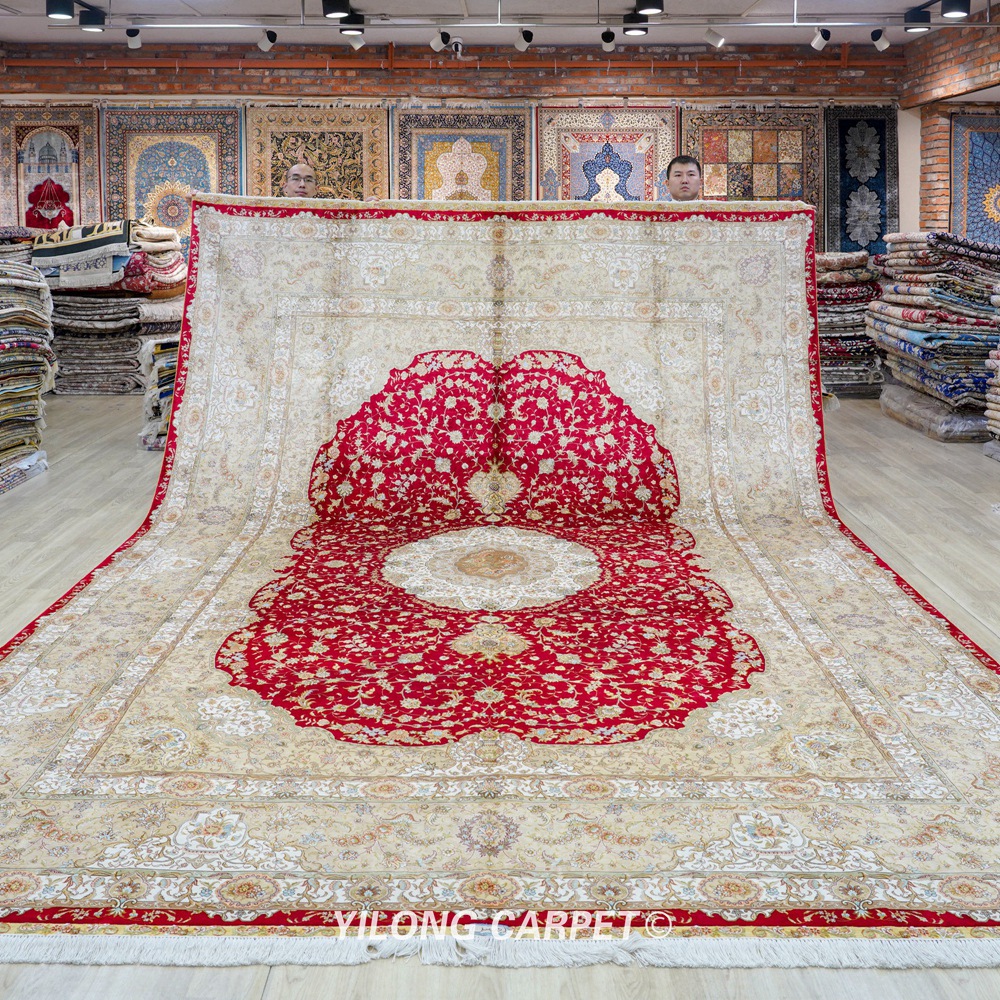
A good hallway runner should fit the space without touching the walls, stay secure underfoot, and work with the colors and patterns already in the room. Start by measuring the hallway, then think about foot traffic, light, flooring, and the look you want. The right runner can protect the floor, soften footsteps, and make a long hallway feel warmer and more connected.
A Quick Hallway Runner Checklist
Before you buy, check these five things:
- Measure the clear floor area, including doors and furniture.
- Leave visible flooring on both sides of the rug.
- Choose a material that suits the amount of foot traffic.
- Match the pattern to the floor rather than looking at the rug alone.
- Use a suitable rug pad to reduce movement.
Why Use a Runner Rug in a Hallway?
Hallways are often narrow, busy, and a little darker than the rooms around them. A runner adds color and texture without covering the entire floor. It can also soften the sound of footsteps and help protect the walking path from everyday wear.
A runner does more than fill an empty strip of floor. It gives the eye a clear line through the space. This can make the hallway feel more finished and help connect one room to another.
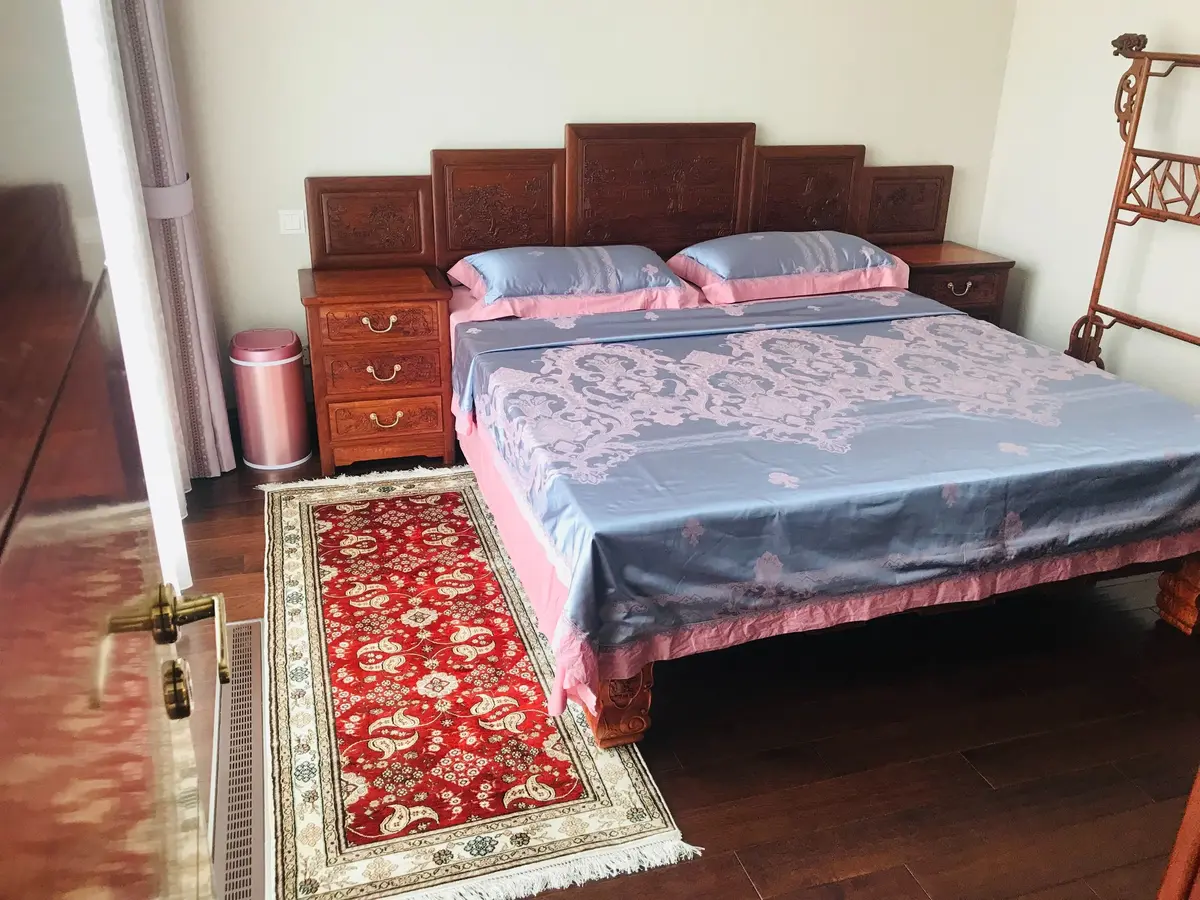
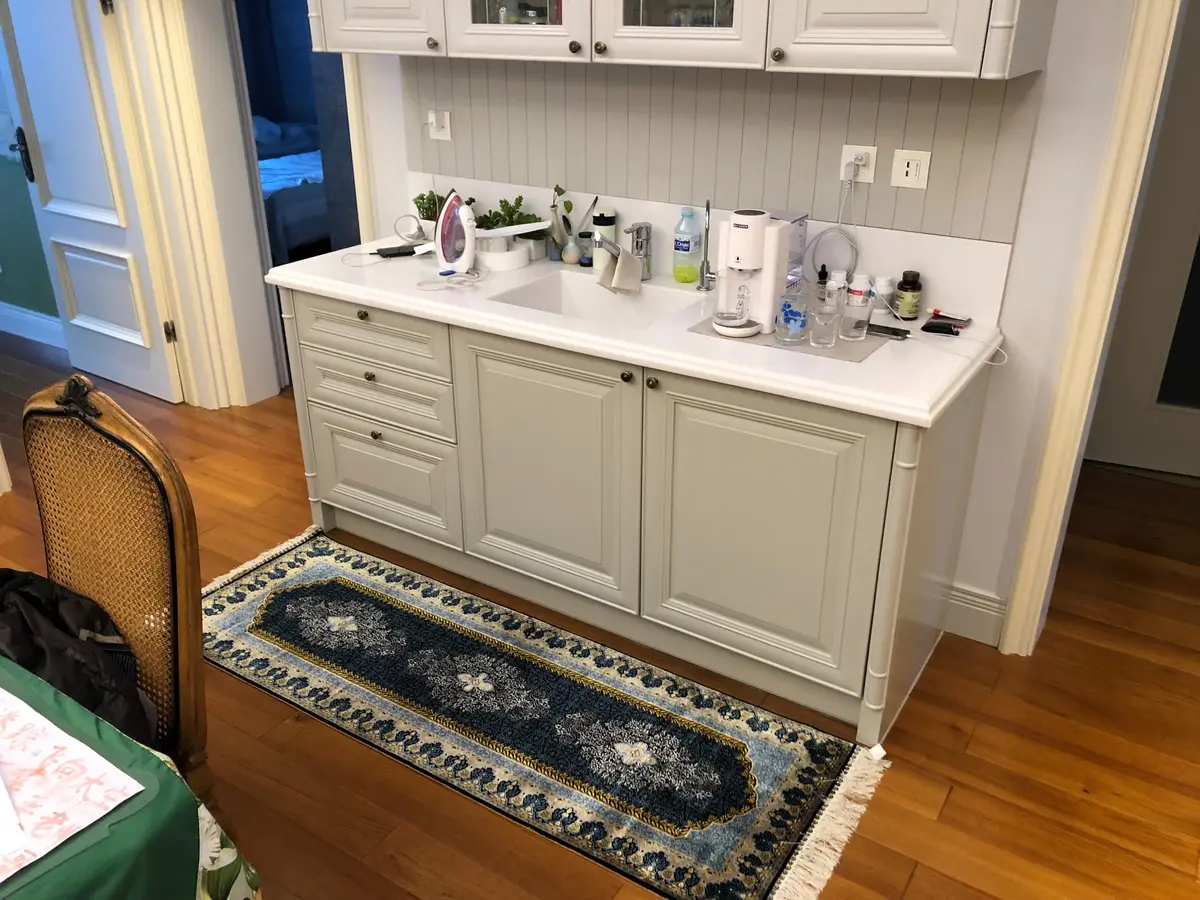
Runner rugs are not only for hallways. They can also work in an entryway, beside a bed, along a kitchen walkway, or between the living and dining areas.
How Do You Choose the Right Runner Size?
Measure the hallway at its narrowest point. Then measure the usable length, stopping before any door that needs room to open. Do not forget floor vents, built-in cabinets, or furniture legs.
As a practical starting point, leave about 4 to 6 inches (10 to 15 cm) of visible floor on each side. This creates a border around the runner and keeps it from looking squeezed between the walls. The exact gap can change with the width of the hallway and your personal preference.
For the length, leave some floor visible at both ends when possible. The runner does not need to cover the hallway from wall to wall. If the hallway is very long, two coordinated runners may look more natural than one unusually long rug. Leave a clear gap between them so the arrangement feels intentional.
| Hallway situation | A useful starting point |
|---|---|
| Narrow hallway | Choose a slim runner and keep a visible floor border on both sides |
| Standard hallway | Leave about 4 to 6 inches of floor on each side |
| Very long hallway | Consider two runners with a clear gap between them |
| Hallway with doors | Check door swing and rug thickness before choosing |
| Hallway with furniture | Measure the open walking path, not just the wall-to-wall width |
Always choose from actual measurements. A size label alone cannot tell you whether a runner will fit your hallway.
What Color and Pattern Work Best?
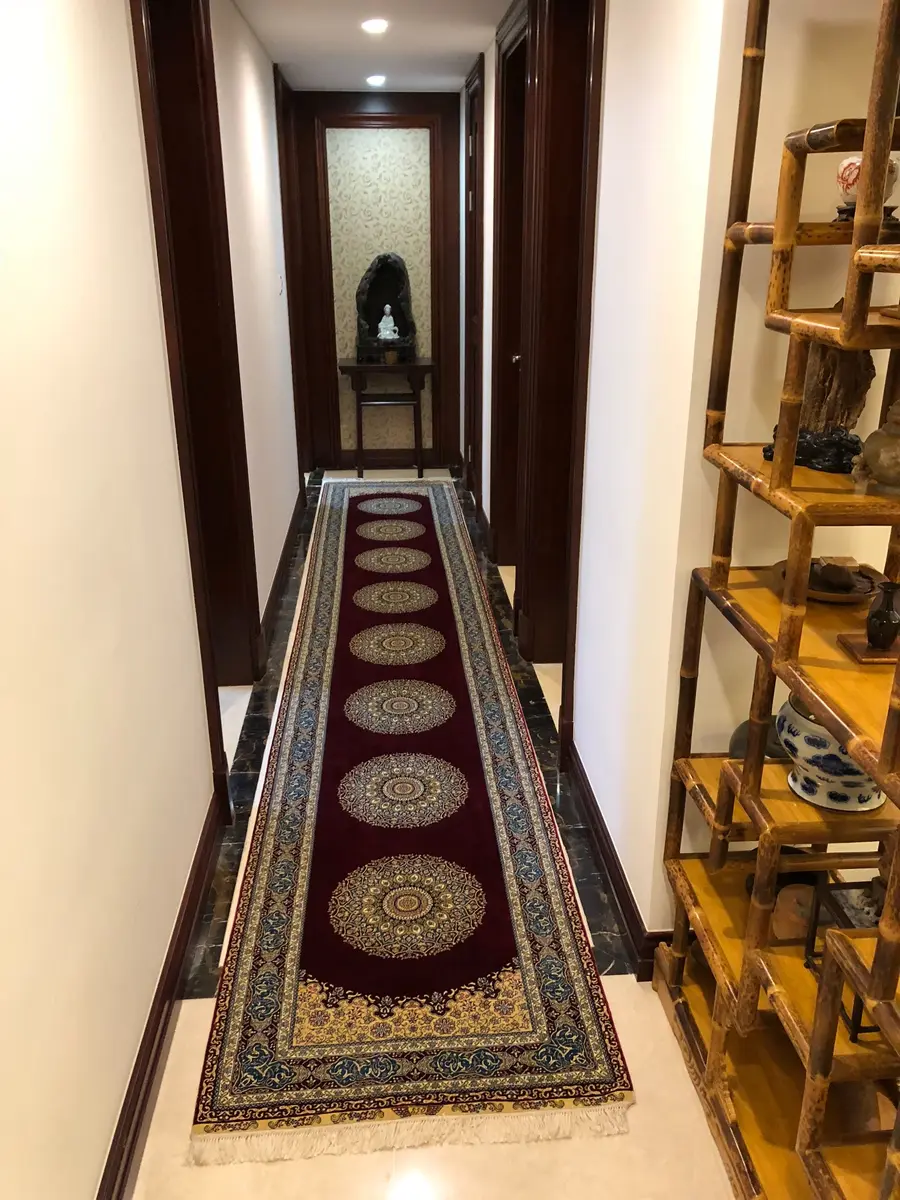
Look at the hallway as a whole. The floor, walls, doors, lighting, and nearby furniture all matter.
If the floor already has a strong pattern
Choose a quieter runner. A simple border, small repeat, or restrained color palette will let the floor remain visible without creating too much visual competition.
If the floor is plain
A more detailed pattern can bring life to the space. Floral, geometric, or traditional designs can turn a simple hallway into a feature without adding more furniture.
If the hallway feels narrow
A design with a clear lengthwise flow can lead the eye down the hallway. Balanced borders and repeating motifs can also make the space feel orderly. Be careful with very strong stripes, however, because their direction and contrast can change how the proportions feel.
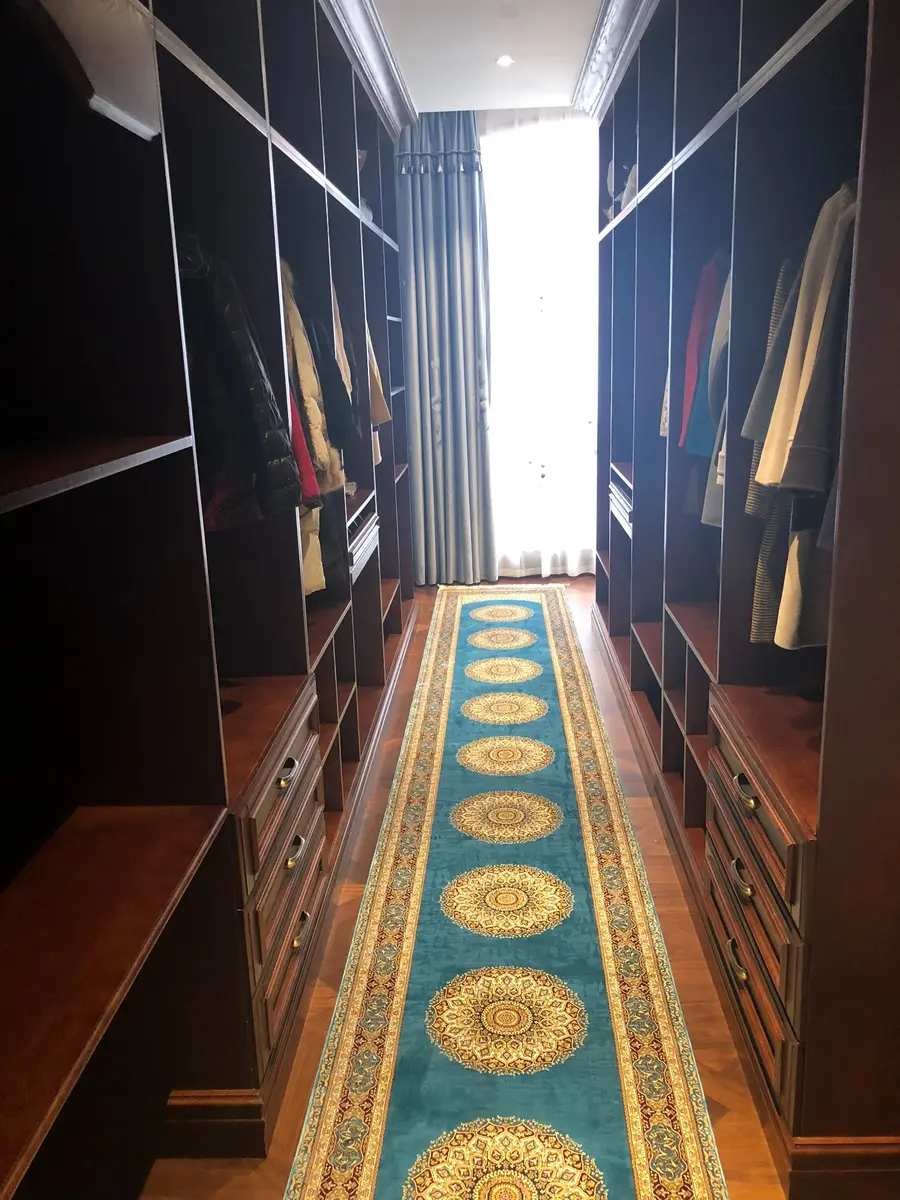
If the hallway is dark
Try a lighter ground color or a pattern with brighter details. Silk has a natural luster, so its appearance can shift slightly as you walk past it or view it from the other end. This can add interest in a hallway, but always check photos or video from both directions before buying.
If the hallway is busy
Mid-tone colors and detailed patterns are usually easier to live with than very pale, solid colors. They tend to make small marks less noticeable between cleanings. A darker rug is not automatically easier to maintain, since dust and light-colored fibers can show on very dark surfaces.
You can also pick up one color from a nearby chair, artwork, curtain, or wall finish. The colors do not need to match exactly. They only need to feel connected.
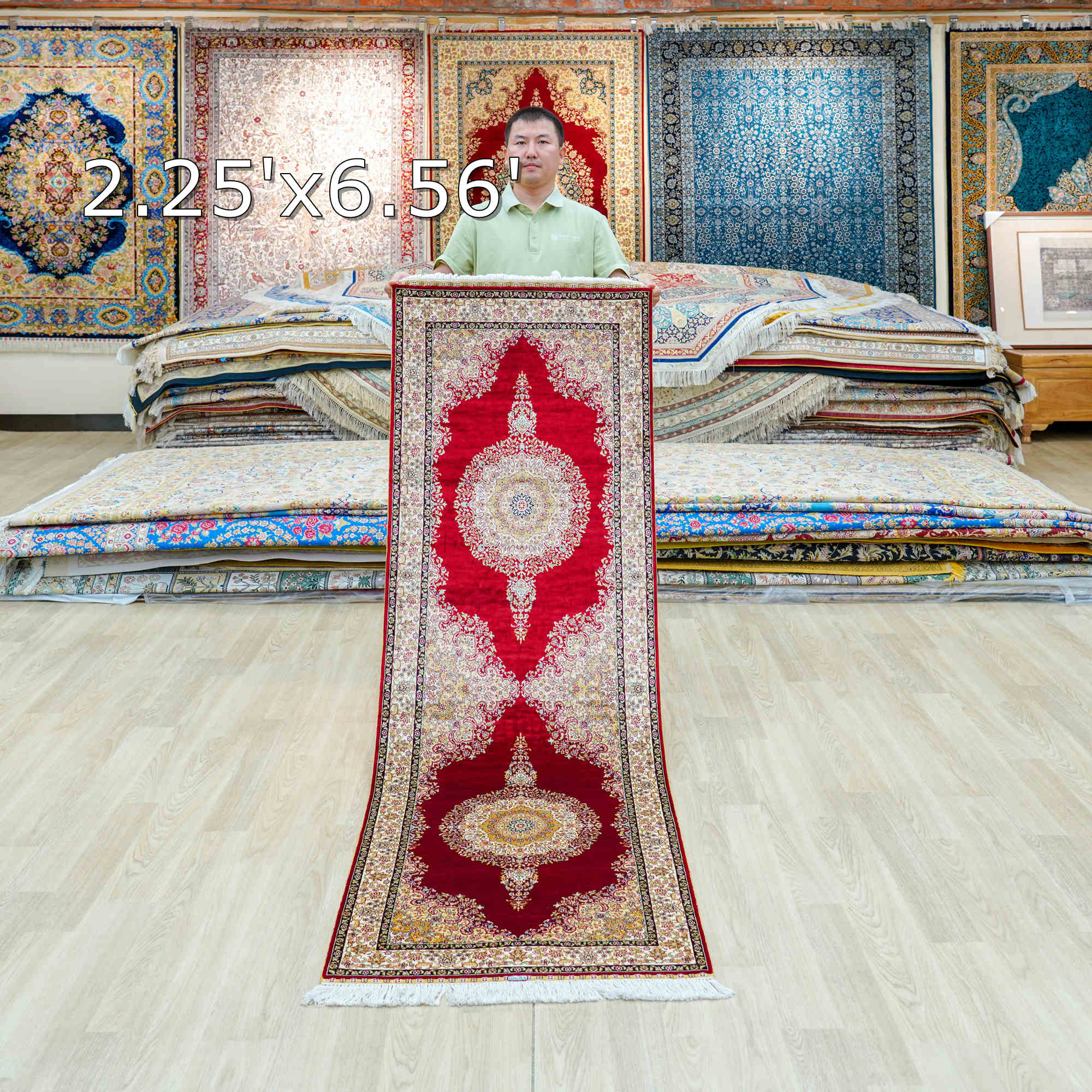
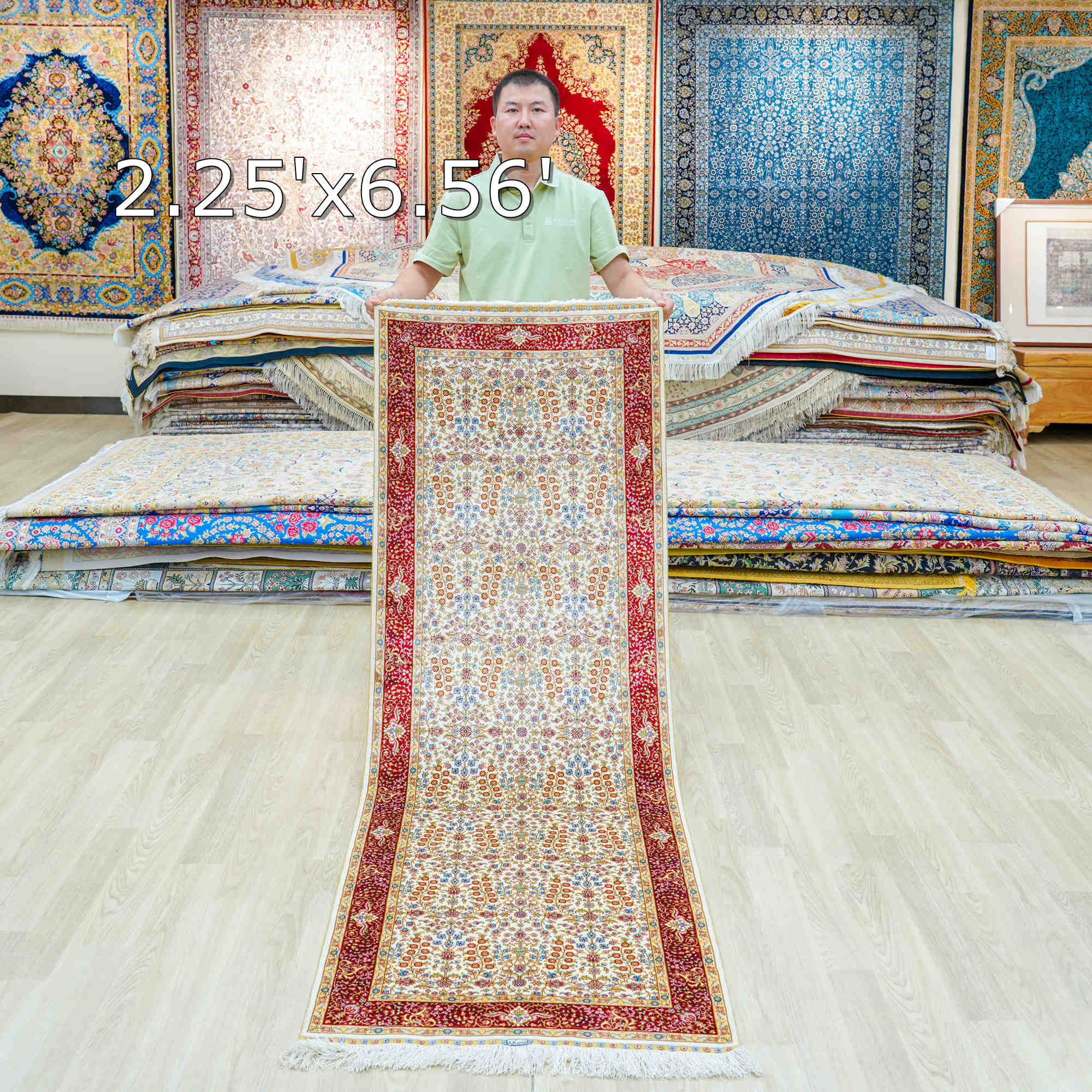
Is a Handmade Silk Runner Right for Your Hallway?
A handmade silk runner is a good choice when fine detail, a smooth feel, and changing luster are important. It can work especially well in a formal hallway, a bedroom passage, beside a bed, or an entry area where shoes are removed.
For a very busy entrance, a home with pets, or a hallway that often receives wet shoes, think carefully about maintenance before choosing silk. A wool rug may be a more practical option for demanding daily use. Material is only one part of quality and durability. Construction, pile, foundation, finishing, and care also matter.
If you are considering silk, ask the seller for the exact material and construction of the individual rug. Do not rely only on a glossy photo or a general product name.
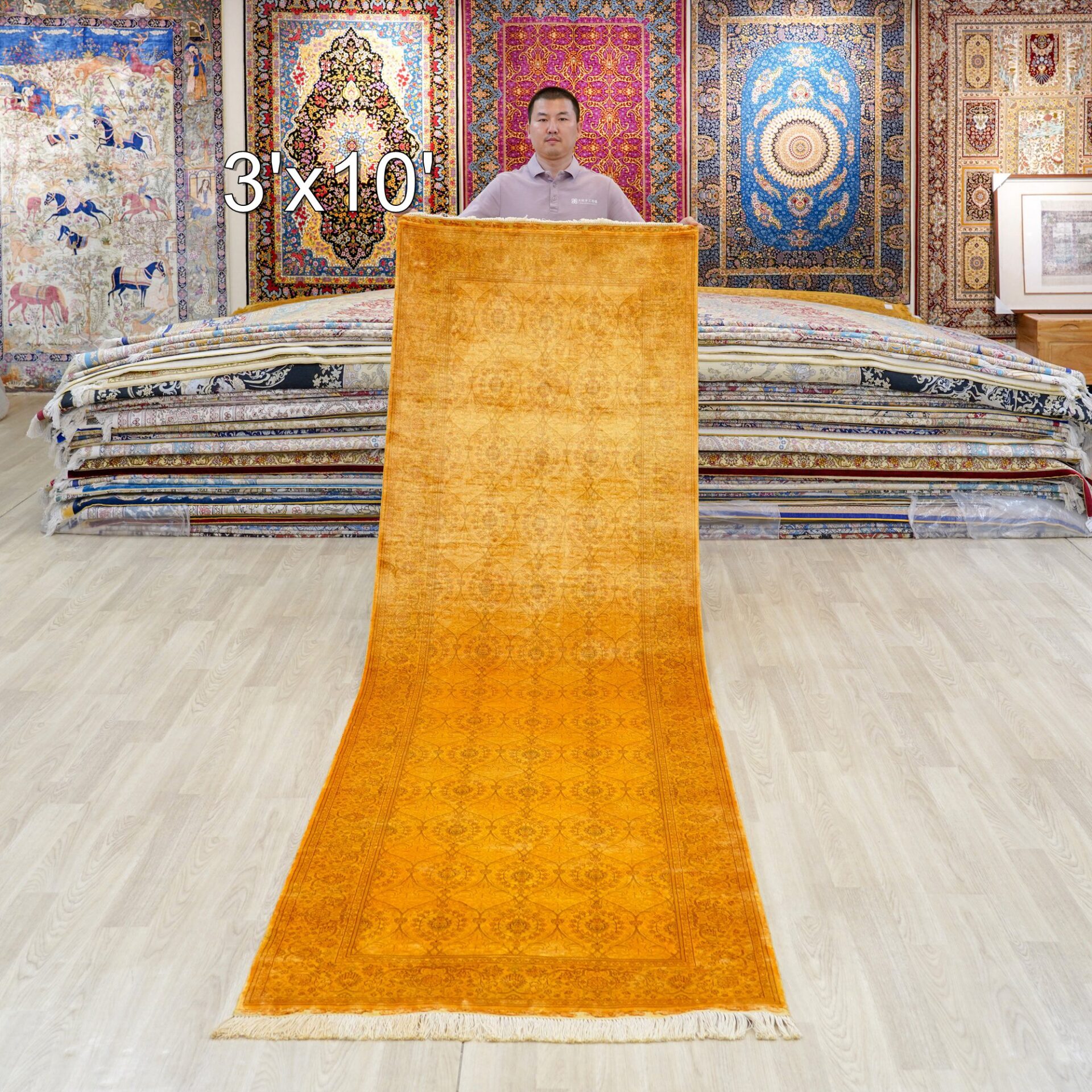
You can browse handmade silk rugs to compare colors, patterns, and available sizes.
Check the Rug from Both Directions
Silk reflects light differently depending on the direction of the pile. From one end, the colors may look lighter and brighter. From the other end, they may look deeper and more saturated.
Before buying, ask for:
- A full front view
- A view from the opposite end
- Close-ups of the pattern, edges, and fringe
- A photo of the back
- A short video in normal room light
- The exact finished size
These details give you a much better idea of how the runner will look in your hallway.
Do Not Forget Doors and Safety
A beautiful runner still needs to work in daily life. Check that nearby doors can open without catching the pile. Make sure the rug does not cover a floor vent or create an awkward step at the end of a staircase.
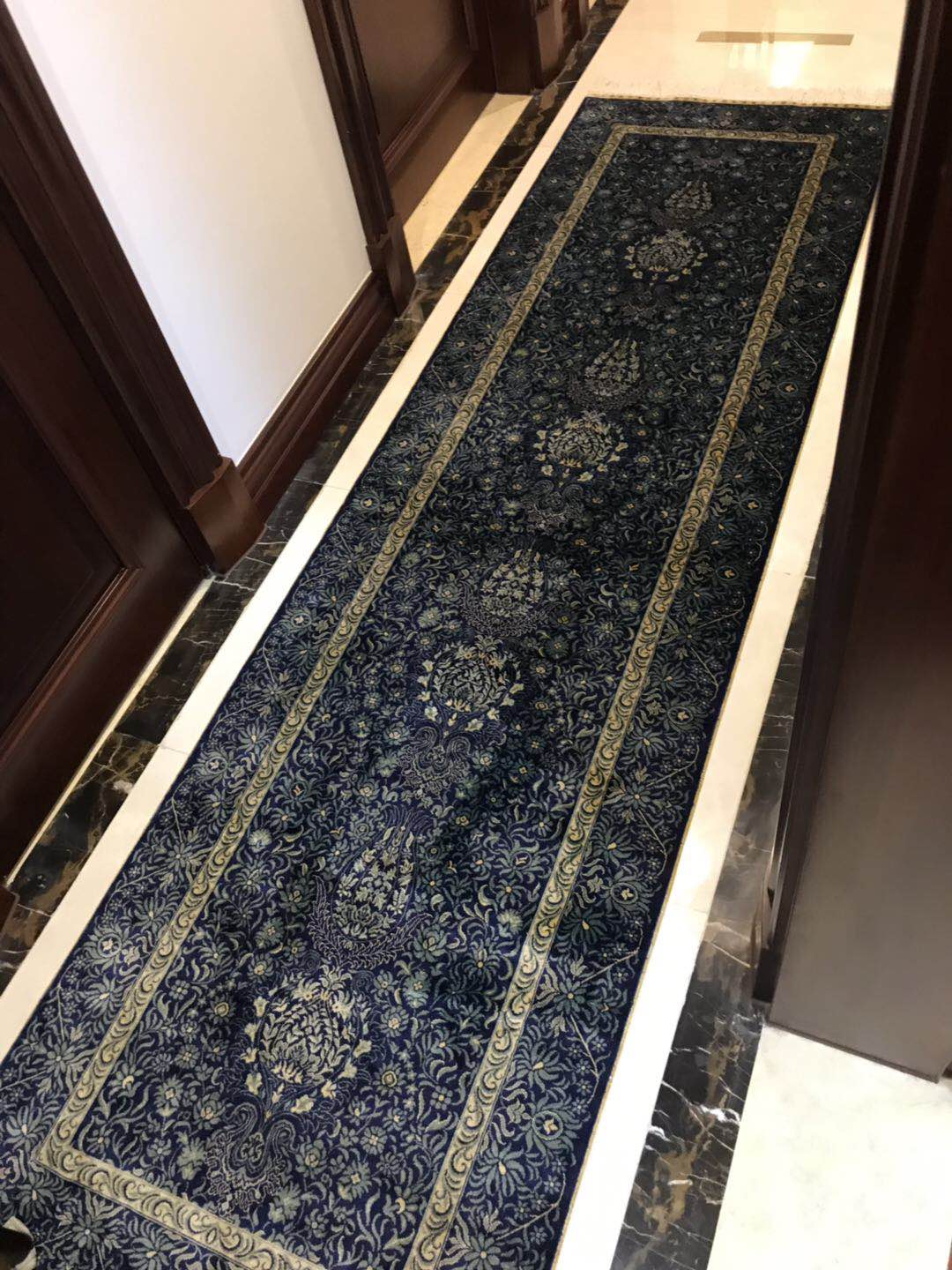
Use a rug pad that is suitable for both the rug and the flooring below it. The pad should be slightly smaller than the runner so it stays hidden. It can help reduce slipping, movement, and bunching, but the right type depends on the floor finish. If you have heated flooring, confirm that both the rug and pad are suitable for it.
Final Questions to Ask Before Buying
Before placing an order, make sure you know:
- The exact finished length and width
- The material of the pile and foundation
- Whether the rug is hand-knotted or made by another method
- How the colors look from both ends
- Whether the thickness works with nearby doors
- What care the rug needs
- The shipping method, delivery time, duties, and customs arrangements for your destination
The best runner is not simply the most detailed or expensive one. It is the rug that fits your hallway, suits your routine, and still looks right when viewed with the rest of the home.
About YILONG Handmade Rugs
YILONG Carpet has produced handmade rugs since 1987. Our collection includes hand-knotted pure silk, wool-and-silk, and New Zealand wool rugs in runner and room sizes. Each rug should be considered individually, so we can confirm its material, construction, size, photos, video, and availability before you order.
If you have your hallway measurements and a few photos of the space, contact YILONG. We can help you compare suitable ready-stock runners and confirm delivery details for your destination.
Frequently Asked Questions
How much floor should show on each side of a hallway runner?
Leaving about 4 to 6 inches (10 to 15 cm) on each side is a useful starting point. Adjust it to suit the width of your hallway and the proportions of the rug.
Should a runner cover the full length of the hallway?
Not necessarily. A little visible floor at both ends usually looks balanced. In a very long hallway, two coordinated runners can work better than one extra-long rug.
Can I use a silk runner in an entryway?
Yes, if the area stays relatively dry and clean and you are comfortable with its care needs. For heavy traffic, outdoor shoes, pets, or frequent spills, wool may be easier to maintain.
Should a hallway runner match the floor?
It does not need to match exactly. On a patterned floor, a quieter rug often works best. On a plain floor, you can use a stronger pattern to add character.
Why does a silk runner look lighter from one end?
The silk pile reflects light differently depending on its direction. This is a normal feature of silk and can make the color appear lighter from one end and deeper from the other.
Do I need a rug pad under a runner?
A suitable rug pad is strongly recommended on most smooth floors. It can reduce slipping and bunching. Choose one that is compatible with your flooring and slightly smaller than the rug.