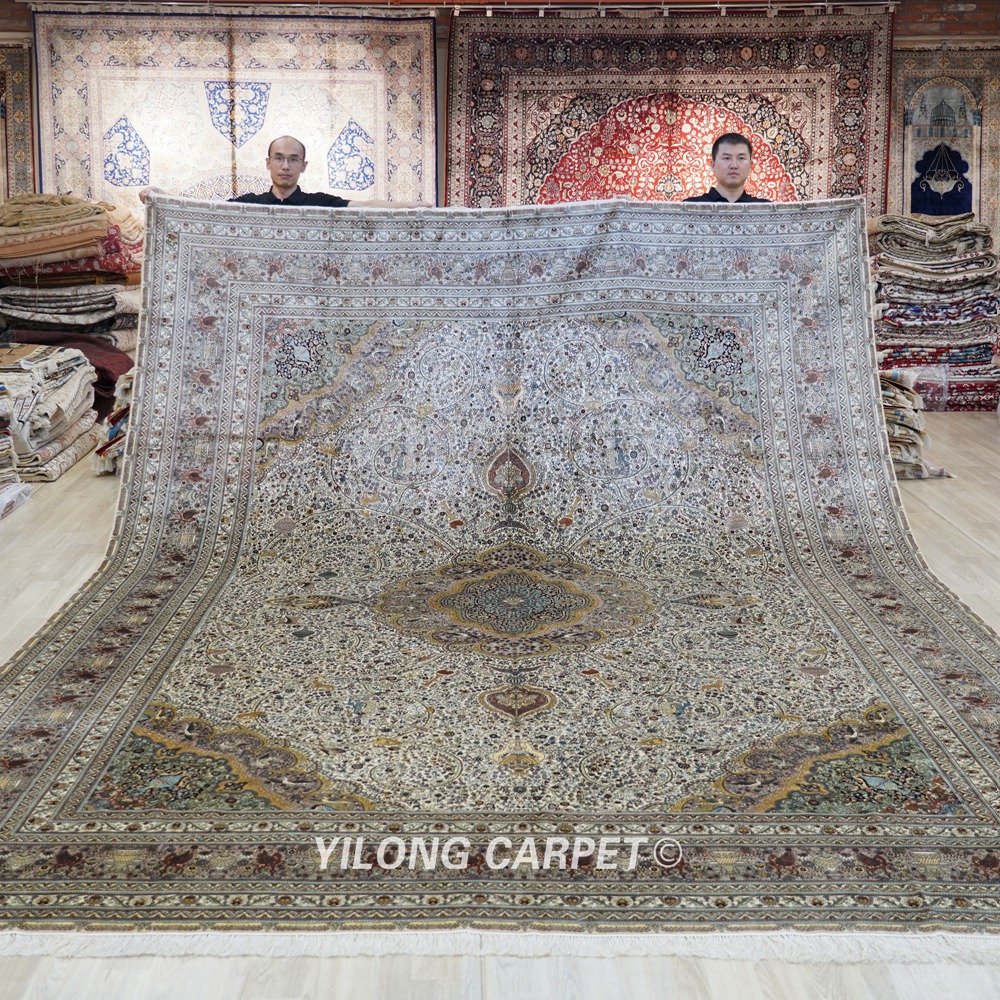
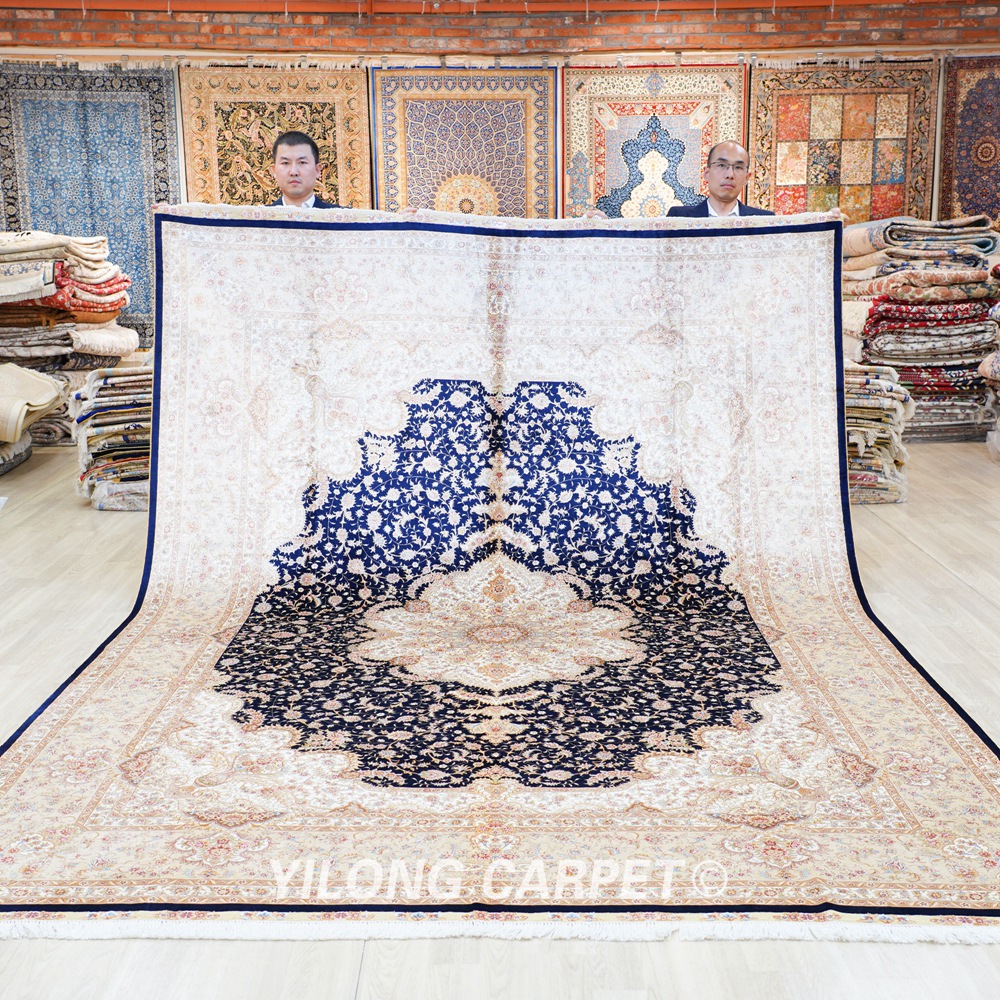
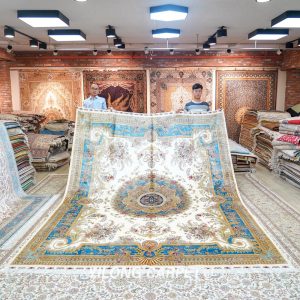
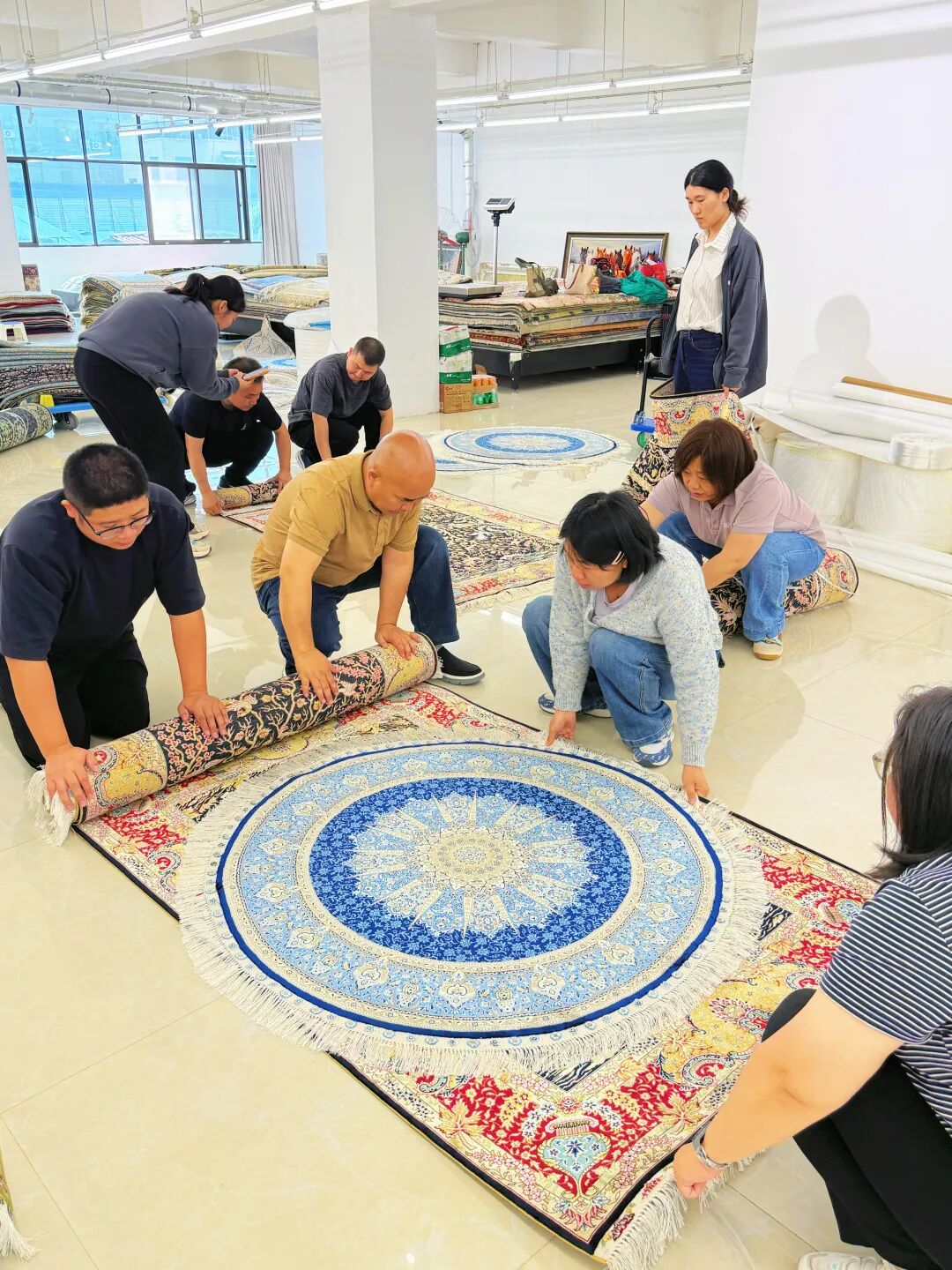
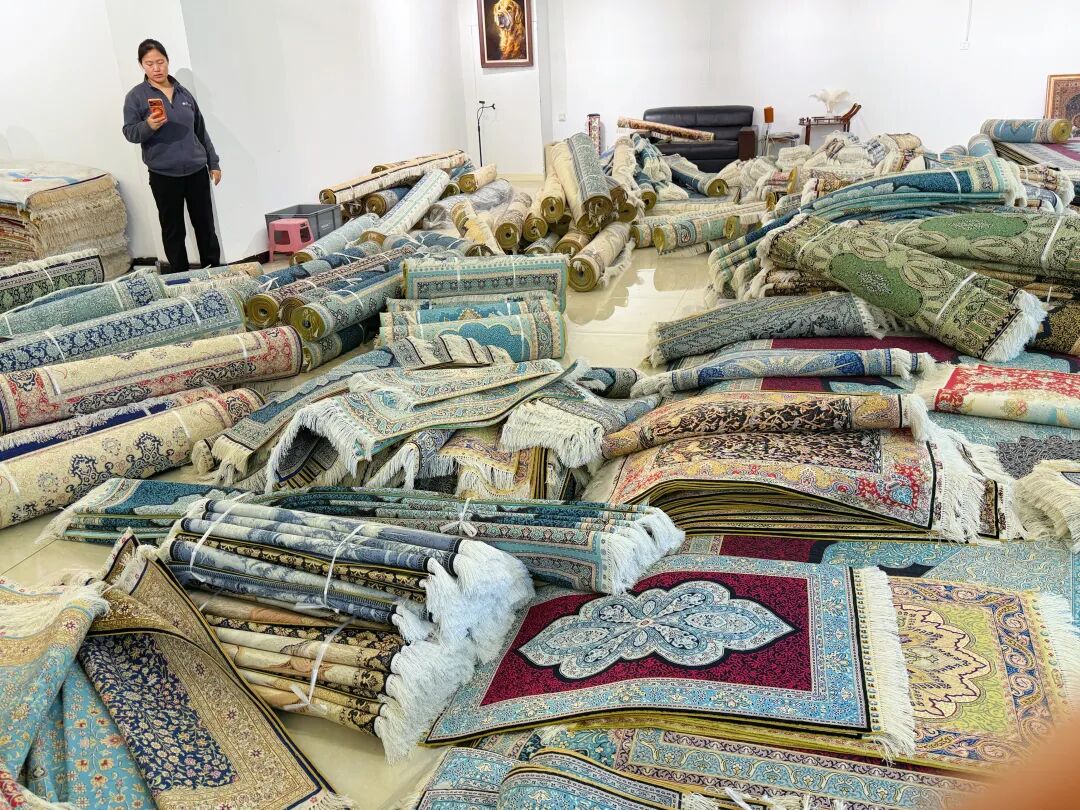
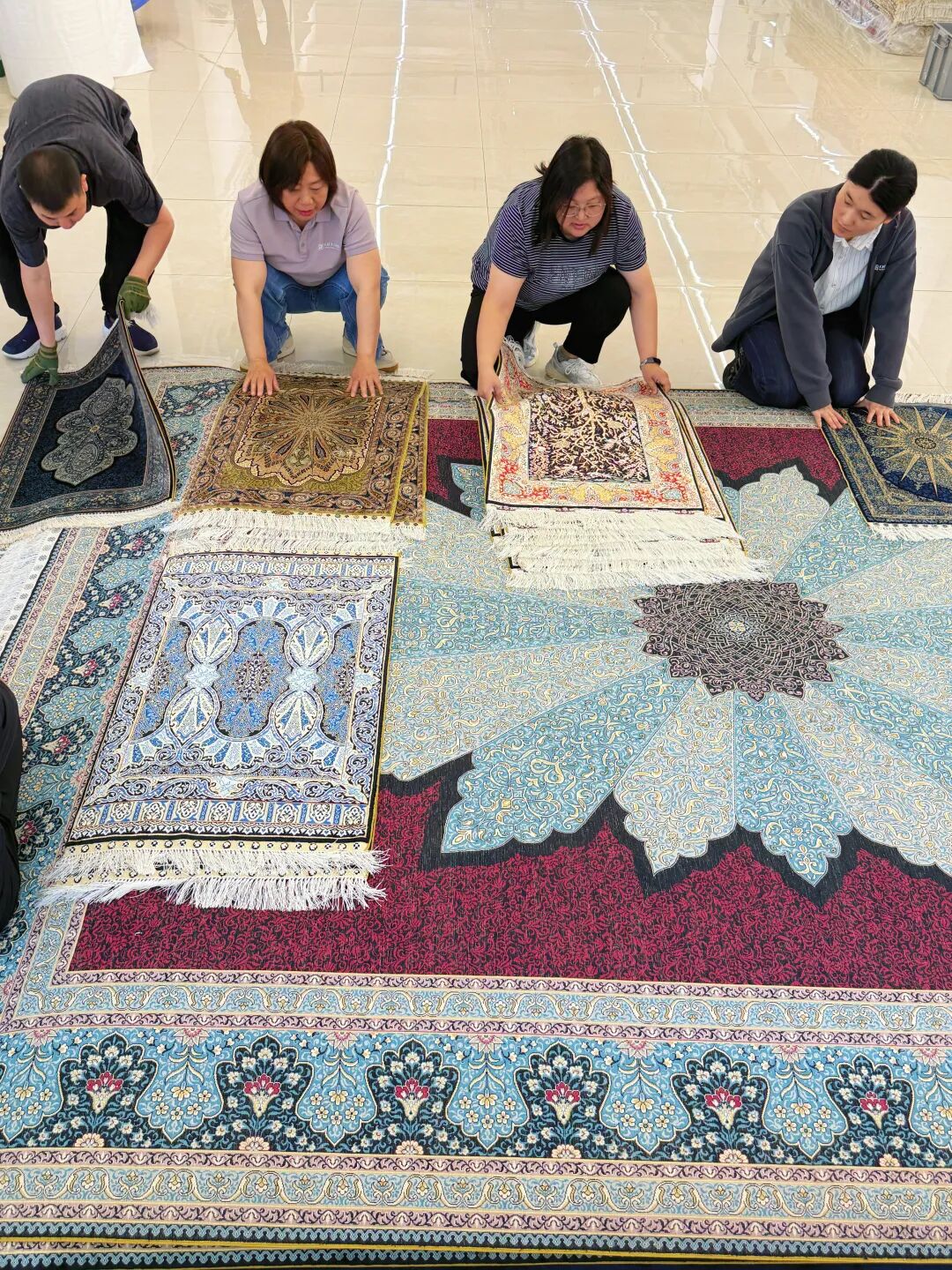
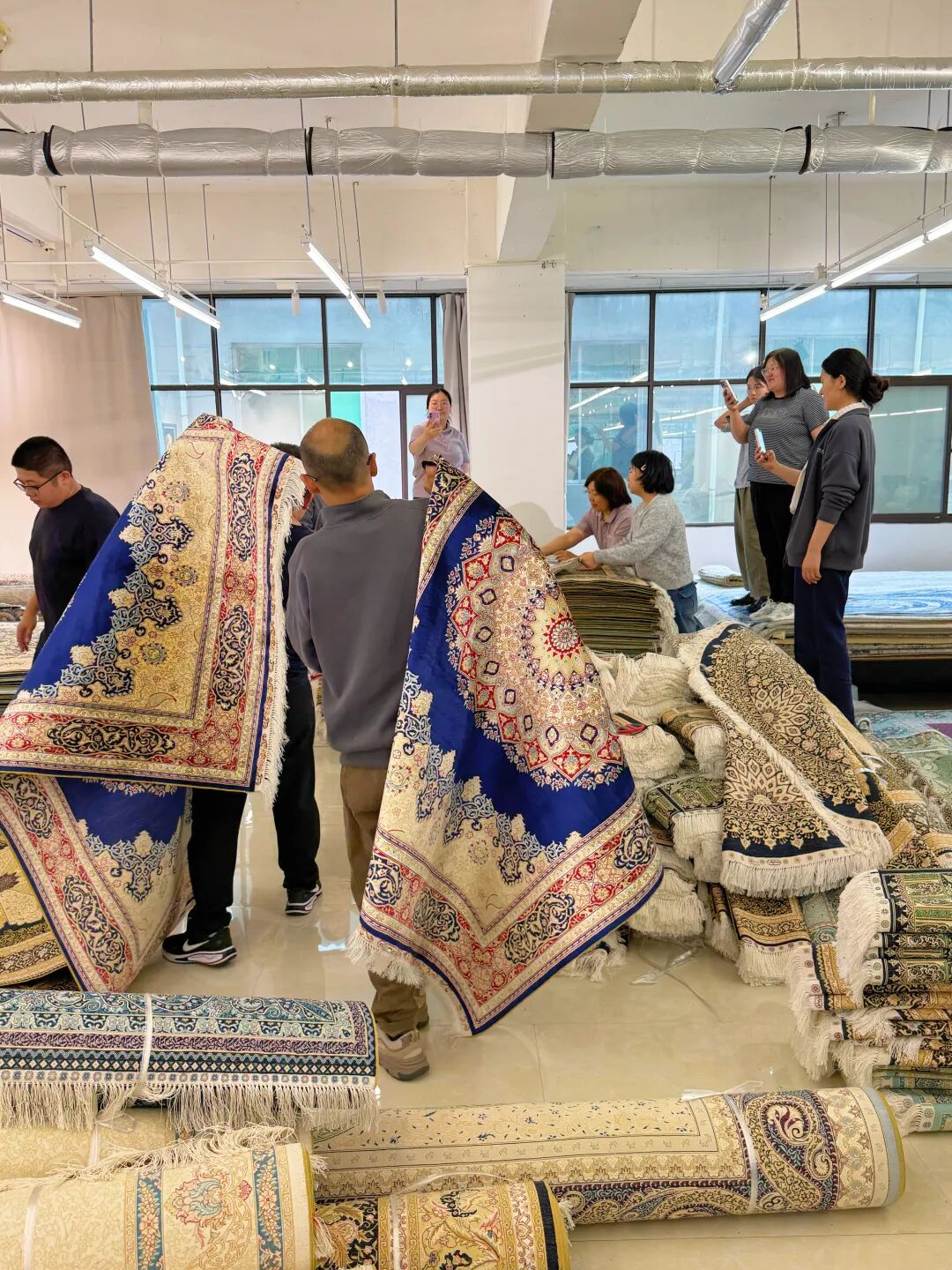
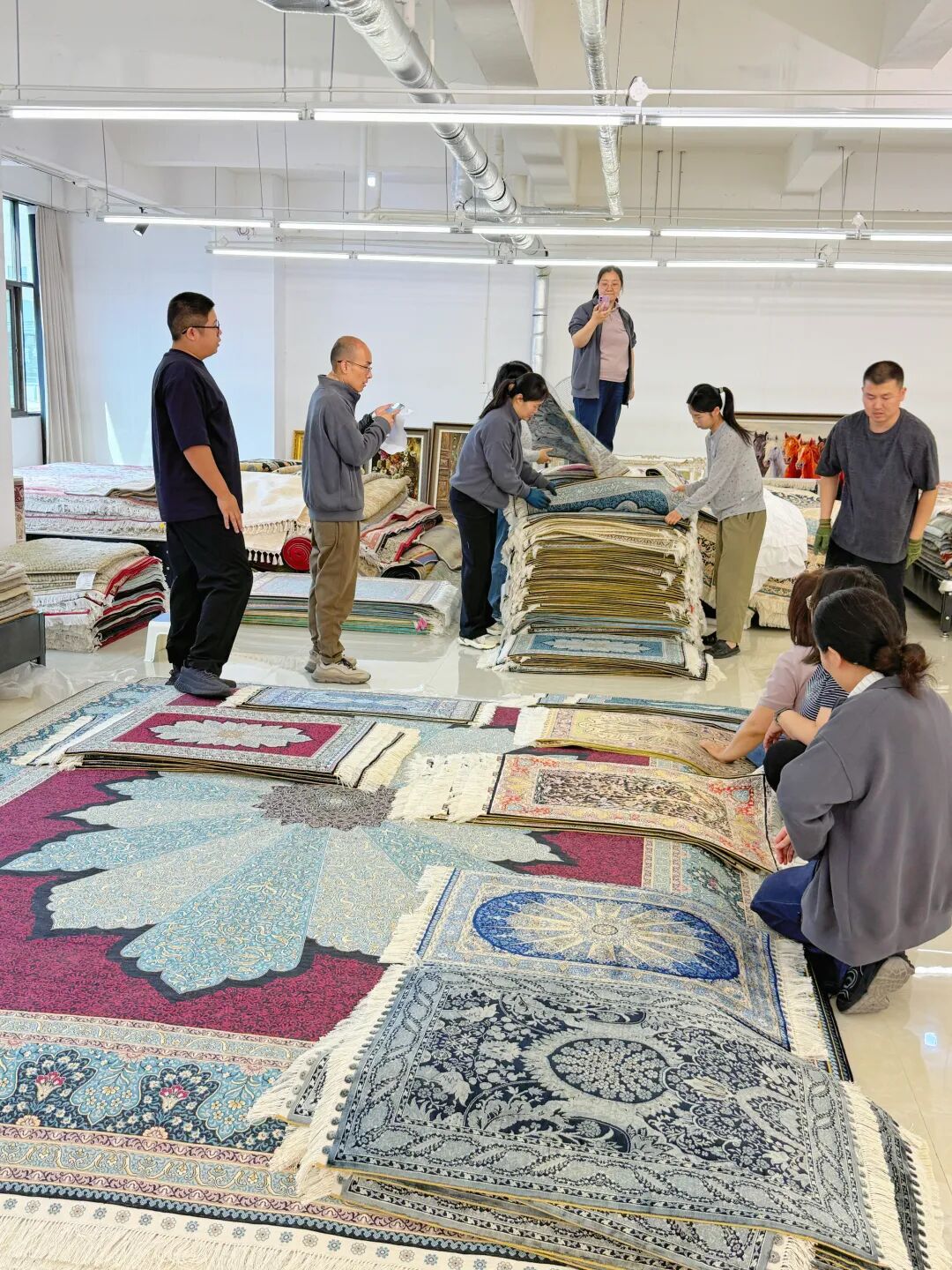
The May Day holiday has barely ended, but at Yilong Carpet warehouse, our team is already back to work, busy preparing handmade silk rugs for shipment to customers around the world.
Inside the warehouse, everyone knows their role. Some carefully check each rug, some roll and pack them by hand, while others coordinate international shipping. Every step moves quickly but carefully, because we know these rugs are not just products — they carry months of craftsmanship and the expectations of families waiting for them overseas.
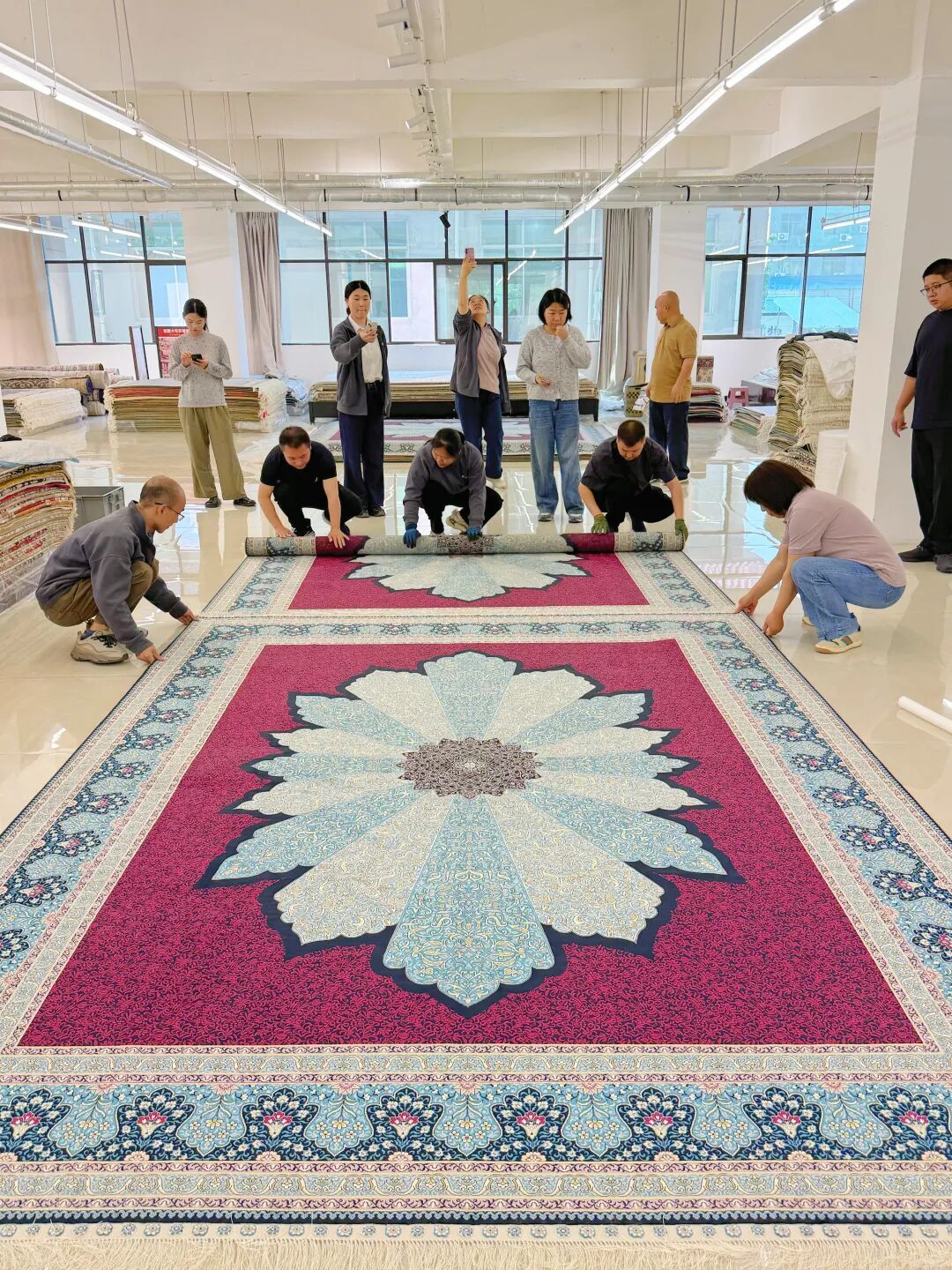
Looking through this week’s shipping orders, one thing becomes very clear: international demand for handmade silk rugs remains incredibly strong.
Some customers choose small elegant rugs for reading corners or bedrooms. Others order oversized rugs designed to fill an entire living room. There are minimalist modern pieces, classic rectangular designs, artistic round rugs, traditional Turkish patterns, luxurious Persian-inspired styles, and even handmade silk wall hangings collected as art.
And seeing these orders arrive one after another naturally raises an interesting question:
Why do people overseas seem to love rugs so much more than we do in China?
The answer is actually much deeper than simple “taste” or “decoration trends.”
It comes from centuries of history, cultural habits, home design philosophies, climate, and daily lifestyle differences.
Let’s talk about it in a simple and honest way.
1. In Many Countries, Rugs Are Part of Everyday Culture
For many people in the West and the Middle East, rugs are not viewed as optional decoration. They are part of daily life and family tradition.
Persian and Turkish rugs, for example, have histories stretching back thousands of years. Long ago, they were not only used for warmth, but also represented status, artistry, and cultural identity.
In ancient Persia, handmade rugs were treasured by royal families and nobles. Every rug carried symbols, stories, religious influences, and regional traditions woven directly into the design. Turkish rugs later traveled along the Silk Road and slowly became part of homes across Europe.
Over generations, rugs became something families naturally grew up with.
In China, however, rugs historically belonged mostly to palaces and wealthy households. Ordinary families traditionally relied more on brick floors, wooden furniture, heated bedding, and practical daily necessities. Rugs were seen as luxury items rather than everyday home essentials.
That historical difference still influences buying habits today.
In many Western countries, children grow up with rugs in the living room, under the dining table, beside the bed, and even hanging on walls. For them, a home without rugs can feel unfinished.
2. Rugs Fit Naturally Into Western Daily Life
Another major reason is simple practicality.
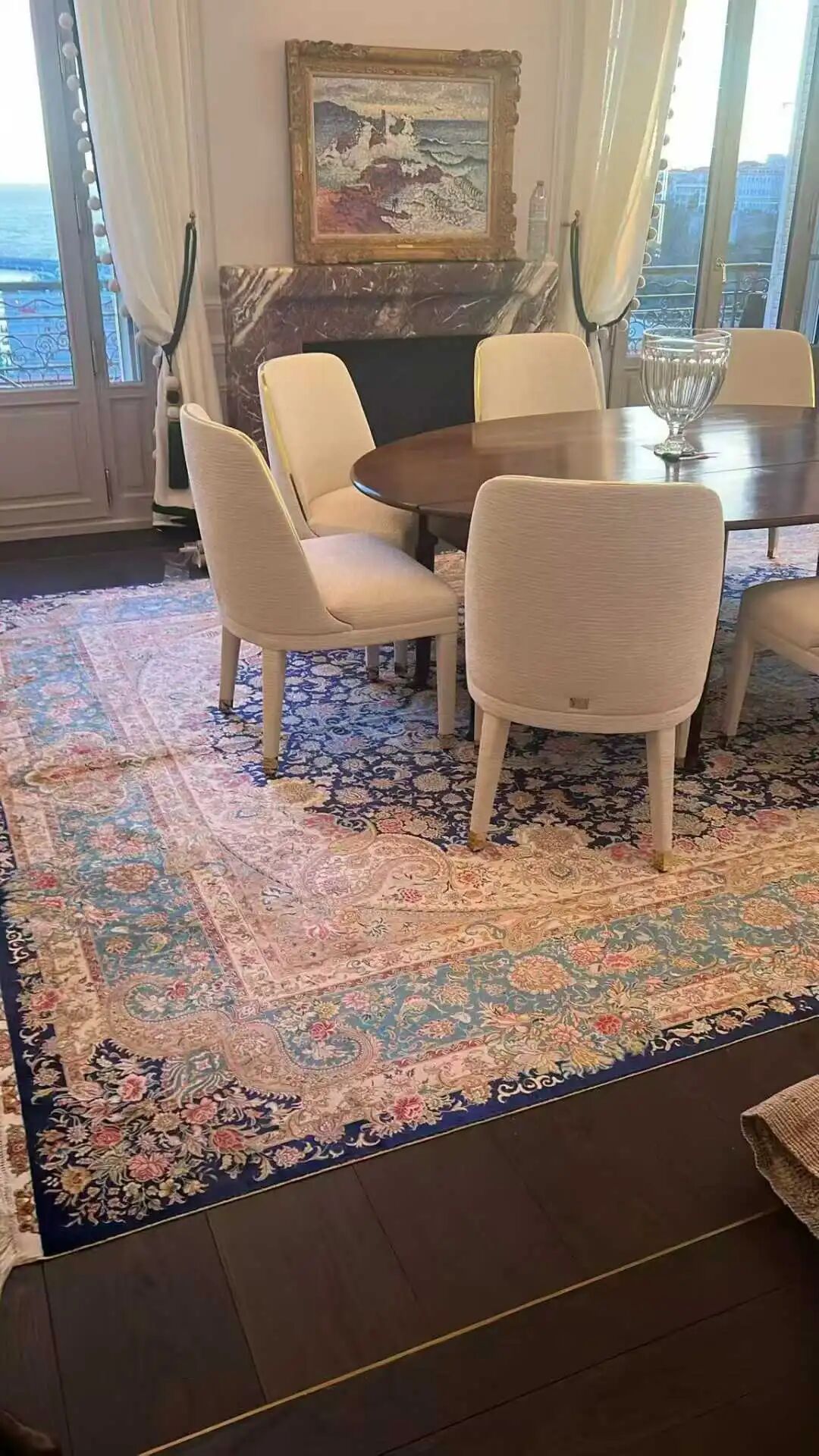
In many countries, especially in Europe, North America, Japan, and Korea, people usually remove their shoes indoors. Walking barefoot or wearing socks at home is very common.
A rug instantly makes that lifestyle more comfortable:
it feels warm underfoot,
reduces noise,
adds softness,
prevents slipping,
and protects wooden flooring.
For many overseas families, rugs are not only decorative — they improve daily comfort in a very real way.
Chinese households often function differently. Many families wear indoor slippers, eat more shared meals with soups and sauces, and prefer surfaces that are quick and easy to clean. Because of this, some people worry rugs may be harder to maintain, especially with children or pets.
Lifestyle shapes home choices more than people realize.
3. Western Homes Often Use Rugs to Create Atmosphere
One thing many overseas customers care deeply about is the feeling of a space.
In Western interior design, a house is not only a place to live — it is also a reflection of personality, taste, and emotional comfort.
And rugs play a huge role in creating that atmosphere.
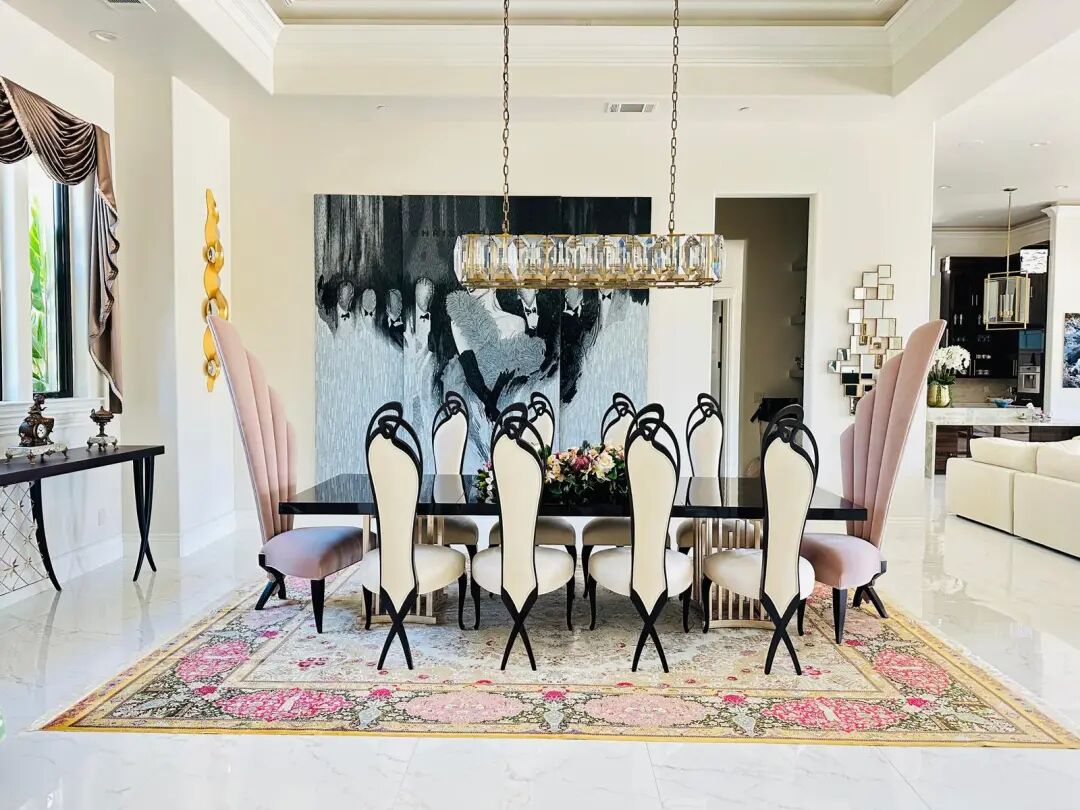
A simple neutral rug can make a modern room feel calm and elegant.
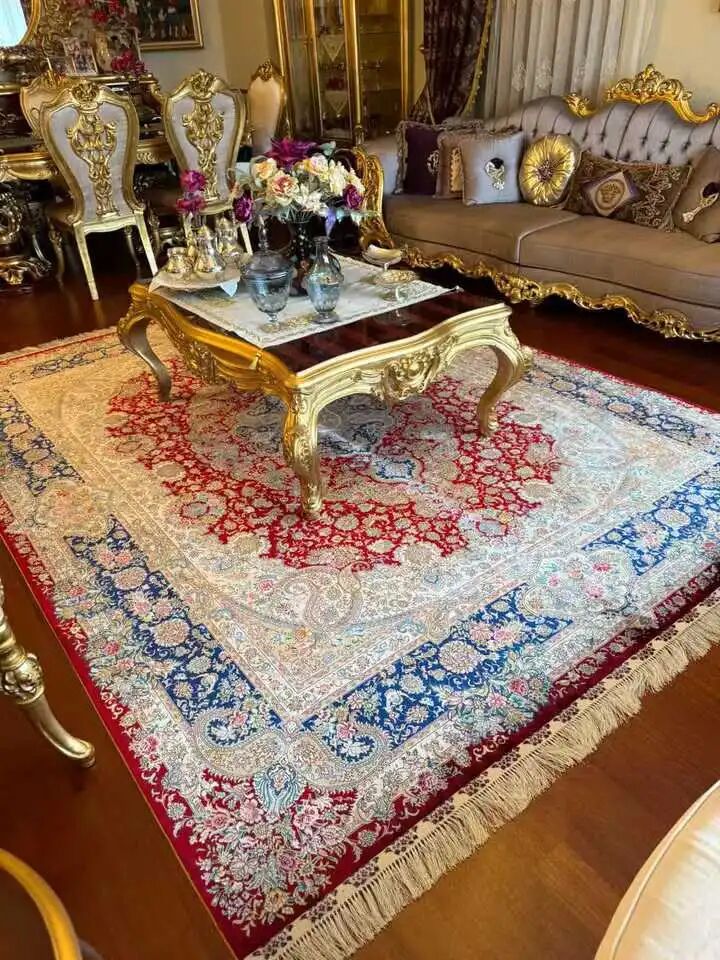
A richly patterned Persian rug can bring warmth and character to a classic interior.
A colorful handmade rug can completely change the feeling of a space.
For many homeowners overseas, the rug is actually the “heart” of the room.
People gather on it to read books, watch movies, play with children, or spend time with family. The rug becomes part of daily memories.
In China, home design has traditionally focused more on cleanliness, practicality, and simplicity. Minimalist interiors without rugs are still very common. But this is slowly changing as younger homeowners begin paying more attention to comfort, atmosphere, and personalized interiors.
4. Many Overseas Customers Appreciate Handmade Craftsmanship
Another important difference is how handmade products are valued.
Many international customers are deeply attracted to items made slowly and carefully by skilled artisans.
A real handmade silk rug may take months — sometimes even more than a year — to complete. Every knot is tied by hand. Every detail reflects patience, skill, and experience passed down through generations.
That human touch matters.
Many of our overseas customers tell us the same thing after receiving their rugs:
“The photos looked beautiful… but the real rug feels alive.”
Machine-made rugs can look similar from a distance, but handmade silk rugs have something different:
depth,
texture,
subtle color variation,
and a sense of artistry that machines simply cannot fully reproduce.
For collectors and luxury homeowners overseas, this uniqueness is exactly what makes handmade silk rugs special.
5. Climate Also Plays a Big Role
Climate is another reason rugs remain popular in many countries.
Large parts of Europe and North America experience long, cold winters. Even with heating systems, floors can still feel cold. Rugs help keep rooms warm, comfortable, and energy-efficient.
In contrast, southern China has hot and humid summers, where rugs may require extra care to prevent moisture and humidity problems. In northern China, central heating already keeps homes warm in winter, reducing the practical need for thick rugs.
So in many ways, rugs naturally fit overseas climates more comfortably.
In the End, It’s Not About “Who Loves Rugs More”
It’s not that foreign families “understand life better” or have “better taste.”
The difference comes from culture, climate, lifestyle, and history.
But today, things are changing.
As living standards continue to improve in China, more people are beginning to appreciate the warmth, comfort, and atmosphere that rugs bring into a home. Handmade silk rugs are slowly becoming more than luxury items — they are becoming part of a refined lifestyle.
At Yilong, we see this change happening every year.
Our handmade silk rugs combine traditional craftsmanship with designs suited for modern homes. Some customers love classic Persian elegance, while others prefer cleaner contemporary styles. And whether the rug is shipped to Europe, America, the Middle East, or increasingly to Chinese homes, the feeling behind it remains the same:
a desire to create warmth, beauty, and comfort.
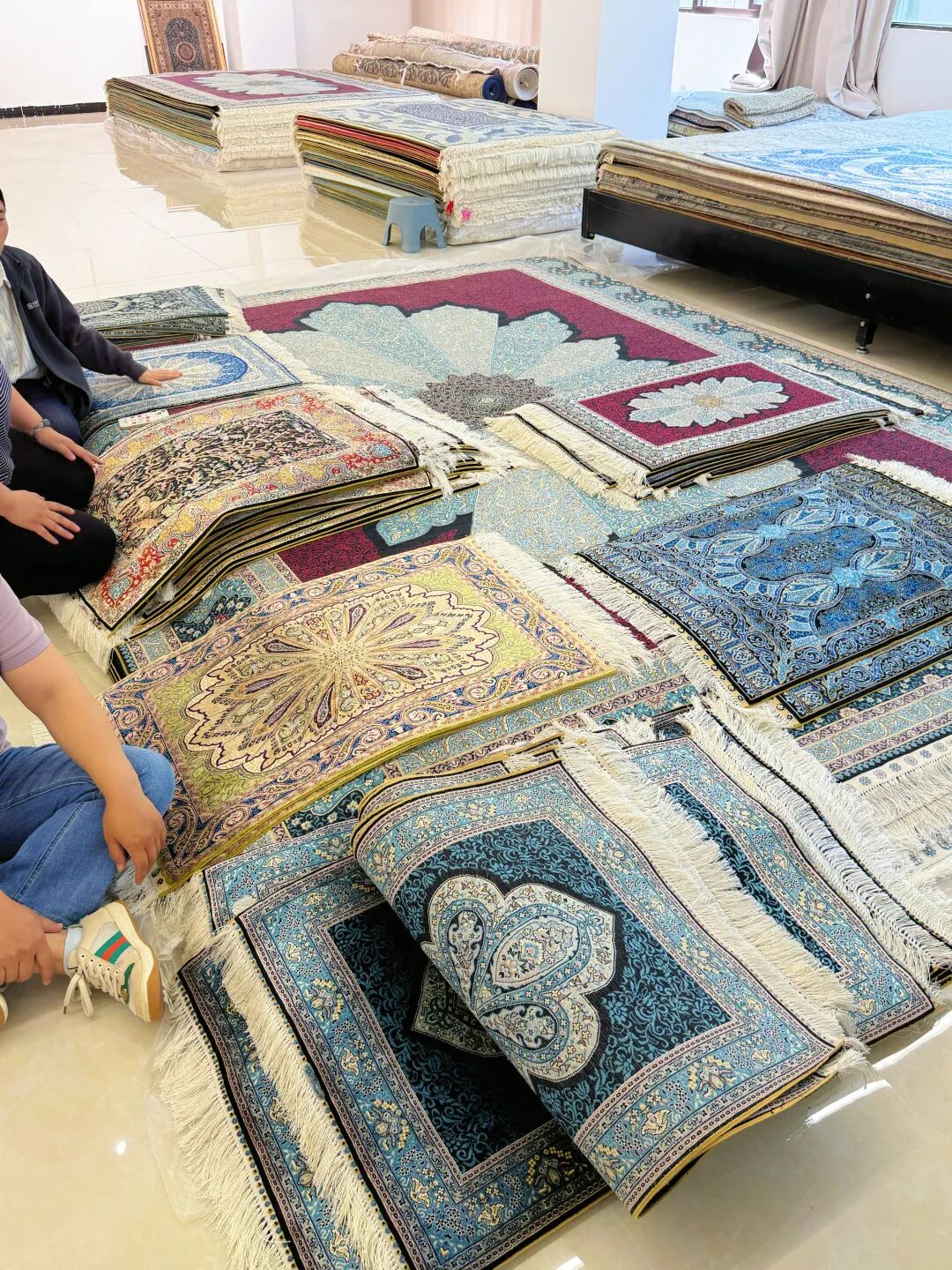
The busy shipments after the May Day holiday are not only a sign of strong overseas demand — they are also a reminder that true craftsmanship still matters.
And perhaps in the future, handmade silk rugs will no longer feel like something “foreign” or “traditional,” but simply something every family can enjoy in their own way.